
TL;DR

Get garden gear delivered free with Prime
- Fast, free delivery on millions of items
- Prime Video, Amazon Music and more included
- Member-only deals all year
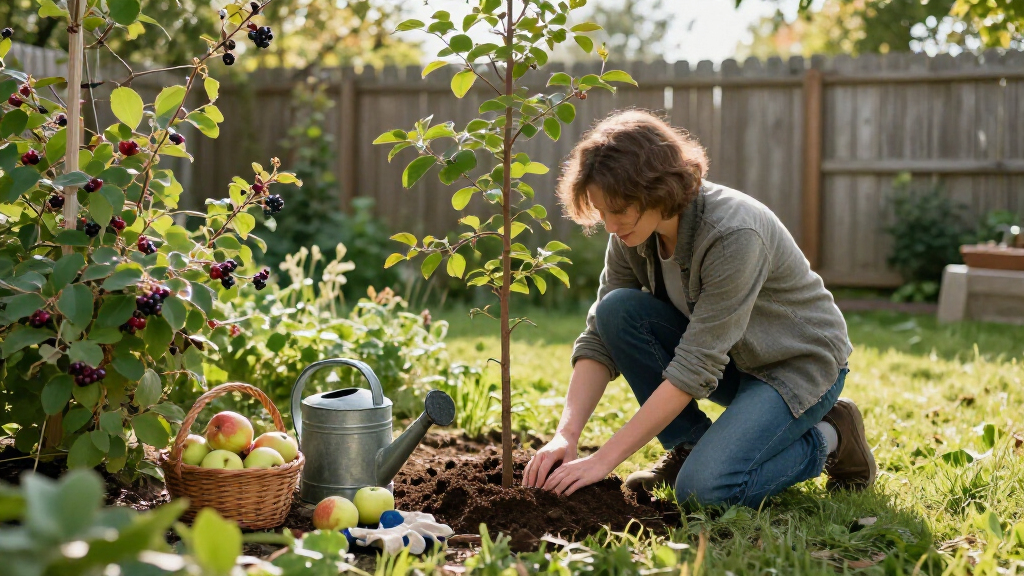
Homes & Gardens recommends planting seven types of fruit trees and bushes in November, with bare-root plants offering a lower-cost option during dormancy. The source names apples, pears, plums, cherries and raspberries, but the supplied report cuts off during its raspberry section, so the full list and planting details for all seven cannot be confirmed.
Homes & Gardens has recommended planting bare-root fruit trees and bushes in November, naming apples, pears, plums, cherries and raspberries among its picks for gardeners seeking homegrown fruit. The report says dormant-season planting can cost less than buying container-grown plants and gives roots time to establish before spring, but the source excerpt ends partway through the raspberry entry and does not identify all seven selections.
The report’s central advice is to use the dormant season for bare-root plants, rather than assume every type of fruit should be planted only in spring. It says bare-root trees and bushes are often cheaper and can develop roots over winter, although growth is slower than during the main growing season and may stop if the ground freezes. Container-grown fruit plants, by contrast, can generally be planted through much of the growing season.
For apples, the article recommends full sun and fertile, well-drained soil, and says gardeners should check whether a variety needs a compatible pollinator nearby. It gives November to March as a typical dormant planting window, with timing varying by USDA hardiness zone. For pears, it describes options including free-standing, wall-trained and dwarf trees, and advises digging a hole two to three times as wide as the roots.
Plums also suit bare-root planting in November if the ground is not frozen, making them a good fit for gardeners seeking low-maintenance fruit trees. The report advises a sunny location sheltered from harsh winds and late frosts. Cherry varieties differ in hardiness, it says, so growers should check their local zone; sweet cherries are advised to have a sunny, sheltered site and well-drained soil. The supplied text begins a raspberry section but stops before giving its advice or naming the remaining selections.
A Lower-Cost Route to Fruit
For readers planning a home orchard or a small number of fruit plants, the advice offers a seasonal buying and planting window. Bare-root stock is presented as a potentially less expensive alternative to container-grown plants, and planting while trees are dormant can give roots time to establish before spring growth begins.
The recommendations also underline that planting dates are not universal. Frozen or waterlogged ground, local hardiness and pollination needs affect whether a November planting is suitable and whether a tree will produce well. Checking those factors before purchasing can help gardeners match a variety and planting site to local conditions rather than relying on the calendar alone.
Popular right now

Apple AirPods Pro 3 Wireless Earbuds with Active Noise Cancellation

Samsung 65-Inch The Frame Pro Neo QLED 4K TV (2026) Bundle with Modern Brown Bezel, HDMI Cables, and Home Theater Guide

Samsung 55-Inch The Frame QLED 4K TV (2026) Bundle
As an affiliate, we earn on qualifying purchases.
How Dormant Planting Works
The article distinguishes bare-root plants, sold without soil around their roots, from container-grown specimens. It says bare-root fruit trees can be planted during dormancy, generally in winter, while container-grown plants have a broader planting window. Dormant plants grow roots more slowly, according to the report, but can continue doing so when the ground is not frozen.
The report’s author says they have used the dormant season to plant fruit trees and bushes in gardens they managed, particularly when planting in larger numbers. The article also gives practical cautions: support newly planted trees against wind movement, water cherries after planting, keep their soil moist but not waterlogged in dry conditions, and avoid planting when the soil is frozen. These are recommendations from the source, not guarantees of fruit yields.
““Bare-root trees and bushes tend to be cheaper””
— Homes & Gardens report author
The Missing Two Plant Picks
The supplied source material is incomplete: it ends after the words “You can plant container-grown” in the raspberry section. As a result, it does not establish the full list of seven trees and bushes or provide the report’s complete guidance for raspberries and the remaining selections.
Planting suitability also depends on location. The report gives broad USDA hardiness-zone information for pears and says cherries vary in hardiness, but the excerpt does not provide variety-specific recommendations for every region. It does not establish that November planting is appropriate where the soil is already frozen or where local conditions differ from those described.
Check Local Planting Conditions
Before buying, gardeners should check the plant’s variety, rootstock and local hardiness, along with whether the ground is workable and well drained. For apples, the report advises confirming cross-pollination requirements; for cherries, it recommends checking that the variety suits the local zone. Trees should not be planted into frozen ground, and newly planted specimens may need support.
The full seven-item list and any additional instructions cannot be reported from the excerpt provided. Readers seeking those details would need to consult the complete Homes & Gardens article or another reliable local gardening source.
Key Questions
Which fruit plants does the supplied report name?
The excerpt names apples, pears, plums, cherries and raspberries. It cuts off during the raspberry section, so the two remaining selections cannot be confirmed from the material provided.
Why plant bare-root fruit trees in November?
The report says bare-root plants can cost less than container-grown ones and may establish roots during dormancy before spring growth. Root growth is slower in winter and can be interrupted when the ground freezes.
Can fruit trees be planted if the ground is frozen?
No. The article advises against planting in frozen soil, which can damage roots and make establishment difficult. In colder areas, it says gardeners may need to wait until spring or until the soil is workable.
What should gardeners check before planting?
Check the hardiness zone, soil drainage, sunlight and pollination needs for the chosen variety. The report also advises sheltering plum and sweet cherry trees from harsh winds and late frosts, and supporting newly planted trees where wind could loosen them.
Source: homesandgardens.com