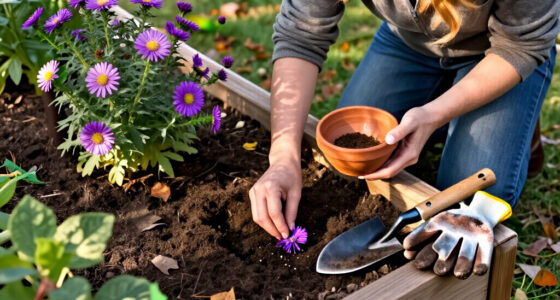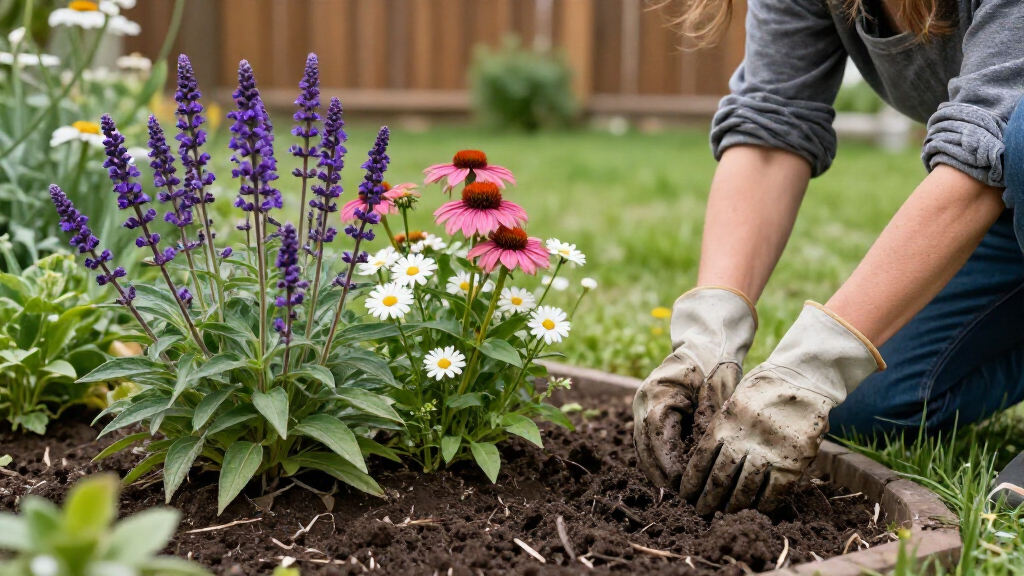
Choosing the best flowering garden border plants requires balancing immediate impact with long-term perennial reliability. The Perfect Plants Autumn Bonfire Encore Azalea stands out as the top overall choice for those wanting instant structure and color without waiting through seed germination cycles. For gardeners preferring to grow from scratch, the 1100+ Non-GMO Heirloom Bee Balm Perennial Flower Seeds offer superior pollinator attraction and drought tolerance compared to annual fillers. The primary tradeoff in this category is between the higher upfront cost and limited quantity of live plants versus the lower per-unit cost and longer lead time of bulk seed packets. Continue reading to compare these options based on hardiness, bloom duration, and maintenance requirements.

Get garden gear delivered free with Prime
- Fast, free delivery on millions of items
- Prime Video, Amazon Music and more included
- Member-only deals all year
Complete the kit


Key Takeaways
- Live plants like the Encore Azalea provide immediate visual impact and predictable bloom times, whereas seed-based options require a full season or two to establish.
- Heirloom perennial seeds such as Bee Balm and Chrysanthemums offer better long-term cost efficiency but demand more precise soil preparation and patience during germination.
- Pollinator-friendly varieties like Bee Balm and Painted Daisy significantly outperform purely ornamental options in attracting bees and butterflies to the border.
- Bulk seed counts (500-6,000 seeds) are ideal for large borders or wildflower mixes but result in higher waste for small, curated garden beds.
- Bare root options like the Aster Bluebird offer a middle ground of established root systems at a lower price point than potted shrubs, though they require careful planting timing.
| 1100+ Non-GMO Heirloom Bee Balm Perennial Flower Seeds |  | Best for Pollinator Borders | Seed count: 1,100+ | Plant type: Perennial bee balm | Material features: Non-GMO heirloom seeds | VIEW LATEST PRICE | See Our Full Breakdown |
| 900 Painted Daisy Seeds, Mixed Colors |  | Best for Defined Summer-to-Fall Color | Seed quantity: 900 | Flower type: Painted daisy (Chrysanthemum carinatum) | Color: Mixed | VIEW LATEST PRICE | See Our Full Breakdown |
| Mixrug Mixed Perennial Chrysanthemum Seeds, 507+ Seeds |  | Best for Varied Fall Flower Forms | Brand: Mixrug | Seed count: 507+ | Plant type: Perennial chrysanthemum | VIEW LATEST PRICE | See Our Full Breakdown |
| Aster Bluebird #1 Bare Root Perennial |  | Best Live Plant for Late-Season Height | Plant type: Bare-root perennial | Pack size: 1 | Plant height: Up to 48 inches | VIEW LATEST PRICE | See Our Full Breakdown |
| ZEshops 35 Hydrangea Seeds for Planting |  | Best for a Patient Partial-Shade Growing Project | Seed count: 35 | Plant type: Flowering shrub | Use: Outdoor | VIEW LATEST PRICE | See Our Full Breakdown |
| YONKEMO Hollyhock Seeds, 1,000 Count, Mixed Colors |  | Best for a Tall Border Backdrop | Seed count: 1,000 | Plant type: Hollyhock | Life cycle: Biennial | VIEW LATEST PRICE | See Our Full Breakdown |
| Mixrug Perennial Chrysanthemum Seeds, Assorted Colors, 550+ Seeds |  | Best for Late-Season Border Color | Seed count: 550+ | Plant type: Perennial chrysanthemum | Flower color: Mixed | VIEW LATEST PRICE | See Our Full Breakdown |
| Perfect Plants Autumn Bonfire Encore Azalea, 1 Gallon Live Plant |  | Best Live Evergreen Border Accent | Plant type: Evergreen azalea shrub | Container size: 1 gallon | Flower color: Red | VIEW LATEST PRICE | See Our Full Breakdown |
| CarpetC Bleeding Heart Seeds, 100+ Count |  | Best for Shaded Borders | Seed count: 100+ | Plant: Bleeding heart (Dicentra spectabilis) | Plant type: Perennial | VIEW LATEST PRICE | See Our Full Breakdown |
| 5,000 Royal Carpet Sweet Alyssum Heirloom Flower Seeds |  | Best Low-Growing Border Edging | Seed quantity: 5,000 | Plant type: Sweet alyssum (Lobularia maritima) | Flower color: Purple | VIEW LATEST PRICE | See Our Full Breakdown |
| Mixrug Perennial Dianthus Seeds, 301+ Non-GMO Heirloom Cottage Pinks and Sweet William |  | Best for Fragrant, Structured Edges | Seed quantity: 301+ | Plant type: Perennial dianthus, including cottage pinks and Sweet William | Flower characteristics: Double flowers with fringed edges | VIEW LATEST PRICE | See Our Full Breakdown |
| Sweet Alyssum Seeds, Purple Royal Carpet and White Carpet of Snow |  | Best Low-Growing Border Edging | Varieties: Purple Royal Carpet and White Carpet of Snow | Quantity: 2 packs | Flower colors: Purple and white | VIEW LATEST PRICE | See Our Full Breakdown |
| Forget-Me-Not Flower Seeds, 6,000 Count |  | Best for Part-Shade Color | Seed count: 6,000 | Flower color: Blue with yellow centers | Plant height: 6–12 inches | VIEW LATEST PRICE | See Our Full Breakdown |
| flowering garden border plant | Sunlight | Plant type | Seed count |
|---|---|---|---|
| 1100+ Non-GMO Heirloom Bee Bal | Full sun to partial shade | Perennial bee balm | 1,100+ |
| 900 Painted Daisy Seeds | Partial shade | — | — |
| Mixrug Mixed Perennial Chrysan | Full sun | Perennial chrysanthemum | 507+ |
| Aster Bluebird #1 Bare Root Pe | Full sun to mostly sunny | Bare-root perennial | — |
| ZEshops 35 Hydrangea Seeds for | Partial shade | Flowering shrub | 35 |
| YONKEMO Hollyhock Seeds | Full sun; 6–8 hours daily | Hollyhock | 1,000 |
| Mixrug Perennial Chrysanthemum | Full sun | Perennial chrysanthemum | 550+ |
| Perfect Plants Autumn Bonfire | Full sun; prefers 4–6 hours | Evergreen azalea shrub | — |
| CarpetC Bleeding Heart Seeds | — | Perennial | 100+ |
| 5,000 Royal Carpet Sweet Alyss | Full sun to partial sun | Sweet alyssum (Lobularia maritima) | — |
| Mixrug Perennial Dianthus Seed | Full sun | Perennial dianthus, including cottage pinks and Sweet William | — |
| Sweet Alyssum Seeds | Full sun | — | — |
| Forget-Me-Not Flower Seeds | — | — | 6,000 |
More Details on Our Top Picks
1100+ Non-GMO Heirloom Bee Balm Perennial Flower Seeds
Bee balm is the strongest fit here for a border designed around pollinators. Its upright growth adds height, while the flowers can also be cut for indoor arrangements. Compared with the 900 Painted Daisy Seeds, which offer a defined summer-to-fall bloom window and a stated 24-inch height, this listing emphasizes pollinator appeal and a perennial habit rather than a specified size or bloom season. The generous seed count can suit a larger planting, but the supplied details do not state mature height, spacing, or hardiness zone, so planning the border will take some guesswork. Bee balm also asks for moist, well-draining soil and enough room for airflow. Choose it for a wildlife-friendly, upright planting; skip it if your site dries out quickly or you need precise spacing guidance.
Pros:- Flowers are described as attractive to hummingbirds, butterflies, and other pollinators
- Upright habit can add height and structure to a border
- Flowers can be cut for indoor arrangements
- Non-GMO heirloom seed mix with a stated count of 1,100+
Cons:- Needs moist, well-draining soil and may not suit beds that dry out quickly
- Requires adequate spacing for airflow, but a specific spacing measurement is not provided
- Mature height and a defined bloom period are not stated
Best for: Gardeners building a roomy, pollinator-focused border with reliably moist, well-draining soil
Not ideal for: Gardeners with dry, tightly packed beds or those who need stated height and spacing measurements before planting
- Seed count:1,100+
- Plant type:Perennial bee balm
- Material features:Non-GMO heirloom seeds
- Sunlight:Full sun to partial shade
- Soil:Moist, well-draining
- Sowing time:After the last spring frost
- Use:Outdoor planting; border height and cut flowers
Our verdict“Choose this bee balm for a moist, spacious border where pollinator appeal matters more than precise height or bloom-time planning.”
900 Painted Daisy Seeds, Mixed Colors
Painted daisies are the clearest choice for a colorful border with a stated height and bloom window. These mixed-color flowers grow up to 24 inches and bloom from summer to fall, making their scale easier to plan than the 1100+ Non-GMO Heirloom Bee Balm, whose listing gives no mature height or defined flowering season. The daisies also suit cut arrangements, while their partial-shade guidance can help gardeners who do not have a fully sunny bed. The tradeoff is ongoing planting care: the soil needs to drain well, watering should be regular, and seedlings need thinning to 12 inches apart. They are open-pollinated and GMO-free, but unlike the named perennial options in this lineup, the listing does not describe them as perennial. Pick them for a measured seasonal display, not a set-and-forget border.
Pros:- Stated bloom period from summer to fall helps with seasonal border planning
- Plants grow up to 24 inches, providing a useful height reference
- Mixed daisy-like blooms work in beds and cut arrangements
- Open-pollinated and GMO-free seeds
Cons:- Seedlings should be thinned to 12 inches apart
- Needs well-draining soil and regular watering
- The listing does not identify the plant as perennial
Best for: Gardeners who want mixed-color summer-to-fall flowers, a stated 24-inch height, and plants suited to cutting
Not ideal for: Gardeners seeking a low-maintenance perennial border or unwilling to thin seedlings and keep up with watering
- Seed quantity:900
- Flower type:Painted daisy (Chrysanthemum carinatum)
- Color:Mixed
- Bloom period:Summer to fall
- Expected plant height:Up to 24 inches
- Sunlight:Partial shade
- USDA hardiness zone:3–9
- Soil and moisture:Well-draining garden soil; moderate watering
- Planting period:Spring to early summer
Our verdict“Choose painted daisies for a planned, colorful summer-to-fall border if you can thin seedlings and maintain regular moisture.”
Mixrug Mixed Perennial Chrysanthemum Seeds, 507+ Seeds
This chrysanthemum mix stands out for variety of flower shape, not for precise planting certainty. Its listed forms include decorative, pompon, daisy, and quill flowers, giving a border more textural variation than the 900 Painted Daisy Seeds, which focus on mixed colors and a stated summer-to-fall season. The perennial label and description of cold hardiness may appeal to gardeners planning a recurring display, while its suitability for containers and cutting adds flexibility. However, the supplied hardiness information conflicts: the description gives zones 4–9, while the product specifications list zone 6. I would not treat its winter performance as settled without checking local guidance. It also needs full sun, regular watering, and spring planting. Choose it for flower-form variety if you can accommodate those care needs and verify zone suitability.
Pros:- Mix includes decorative, pompon, daisy, and quill flower forms
- Described as perennial and cold hardy
- Suitable for borders, containers, and cut arrangements
- Mixed colors can add visual variation to a planting
Cons:- Hardiness information conflicts between zones 4–9 and zone 6
- Requires full sun and regular watering
- Spring is the listed planting period
Best for: Gardeners in a suitable climate who want a perennial border with varied chrysanthemum forms and flowers for cutting
Not ideal for: Gardeners who need dependable hardiness-zone guidance, have shaded beds, or want a low-water seed planting
- Brand:Mixrug
- Seed count:507+
- Plant type:Perennial chrysanthemum
- Flower colors and forms:Mixed colors; decorative, pompon, daisy, and quill
- Bloom period:Fall and spring (as listed)
- Sunlight:Full sun
- Hardiness zone:Description: 4–9; product specifications: 6
- Soil and moisture:Loam; regular watering
- Planting period:Spring
Our verdict“Choose this mix for diverse chrysanthemum flower forms if full sun, regular watering, and the unresolved hardiness guidance work for your garden.”
Aster Bluebird #1 Bare Root Perennial
Bluebird aster offers the most clearly specified vertical structure among these picks. This single bare-root perennial can reach 48 inches, with lavender-blue flower clusters from late summer through late fall. That makes it a stronger choice for a tall, late-season focal point than the 900 Painted Daisy Seeds, which top out at 24 inches and have a summer-to-fall bloom window. Unlike the seed mixes, this arrives as one bare-root plant, so it avoids the uncertainty of raising a whole border from seed but gives you only one plant to place. It suits full-sun to mostly sunny beds, adapts to normal or clay soils, and is described as minimally cared for once established. The tradeoff is the need to water while it establishes and to reserve space for its height and roughly 20-inch spacing.
Pros:- Grows up to 48 inches for a strong vertical layer in a border
- Blooms from late summer through late fall
- Lavender-blue flowers attract butterflies and other pollinators
- Adapts to normal or clay soils and needs minimal care once established
Cons:- Needs full sun to mostly sunny conditions for best flowering
- Requires watering during establishment and moderate moisture afterward
- Pack contains one bare-root plant, so it covers less ground than a seed mix
Best for: Gardeners who want one clearly sized, tall perennial to anchor a sunny late-season border
Not ideal for: Gardeners with shaded borders, limited vertical space, or a preference for planting many flowers from one seed packet
- Plant type:Bare-root perennial
- Pack size:1
- Plant height:Up to 48 inches
- Bloom period:Late summer to late fall
- Flower color:Lavender blue
- Sunlight:Full sun to mostly sunny
- USDA hardiness zone:4–9
- Soil and moisture:Normal or clay soil; moderate watering
- Planting depth and spacing:2–3 inches deep; about 20 inches apart
Our verdict“Choose Bluebird aster as a tall, late-season anchor for a sunny border where you have room for a single established perennial.”
ZEshops 35 Hydrangea Seeds for Planting
These hydrangea seeds suit gardeners who value the growing project as much as the finished border. The listing describes an outdoor flowering shrub for partial shade, with an expected height of about 3 feet and mixed colors. That makes it a different proposition from the Aster Bluebird #1 Bare Root Perennial: the aster arrives as one plant with a stated late-summer-to-fall flowering schedule, while these seeds need time to establish before mature blooms appear. Hydrangeas can suit cottage-style borders, but the listing warns that flower color and plant characteristics may vary, so they are a poor pick for buyers seeking a uniform result. The 35-seed count gives a modest starting point, not a ready-made display. Regular moisture and patience are part of the commitment, and no specific hardiness zone or mature bloom timeline is supplied.
Pros:- Partial-shade exposure can suit borders with less direct sun
- Shrub habit and stated height of about 3 feet can add structure
- Mixed colors offer potential variation in an ornamental planting
- 35 seeds provide a small-scale growing project
Cons:- Seedlings need time to establish before mature blooms appear
- Regular moisture is required during growth
- Flower color and plant characteristics may vary, and no hardiness zone is stated
Best for: Patient gardeners who want to raise an ornamental shrub from seed for a partial-shade cottage border
Not ideal for: Gardeners seeking quick, predictable blooms, consistent flower colors, or stated hardiness guidance
- Seed count:35
- Plant type:Flowering shrub
- Use:Outdoor
- Expected bloom period:Spring to fall
- Expected plant height:About 3 feet
- Sunlight:Partial shade
- Soil and moisture:Loam; regular watering
- Color:Mixed colors; characteristics may vary
Our verdict“Choose these hydrangea seeds if you enjoy a patient, variable growing project and can provide partial shade and regular moisture.”
YONKEMO Hollyhock Seeds, 1,000 Count, Mixed Colors
YONKEMO hollyhocks are the height-first choice here: their 5–8-foot flower spikes can add a colorful screen along a fence or behind shorter border plants. The mixed blooms also suit cottage-style planting and can provide cut flowers. Compared with Royal Carpet sweet alyssum, which stays close to the ground, hollyhocks bring vertical structure rather than a low edging carpet. The tradeoff is space and support: tall stems may need staking, and the flowers can be single, semi-double, or double, so the eventual look is less uniform. They are biennials, so buyers should not expect the same dependable annual display as a continuously flowering border plant. Choose a sunny site with fertile, well-drained soil and keep it evenly moist during growth.
Pros:- 5–8-foot flower spikes add height and screening to borders.
- Mixed colors suit informal cottage-garden schemes.
- Flowers can be cut for indoor arrangements.
- Listed for USDA zones 3–9.
Cons:- Tall stems may need support, especially in exposed sites.
- Biennial life cycle means flowering may not be annual.
- Needs 6–8 hours of direct sun and evenly moist soil during growth.
Best for: Gardeners with sunny fences or deep borders who want tall, mixed-color flowers for a cottage-garden backdrop and cutting.
Not ideal for: Gardeners seeking a low edging plant, a compact border, or dependable blooms from a plant that flowers every year.
- Seed count:1,000
- Plant type:Hollyhock
- Life cycle:Biennial
- Plant height:5–8 ft
- Flower color:Mixed
- Sunlight:Full sun; 6–8 hours daily
- Soil:Fertile, well-drained
- USDA hardiness zones:3–9
Our verdict“Choose these hollyhocks for a sunny, spacious border that needs height, but skip them if you want a compact or reliably annual display.”
Mixrug Perennial Chrysanthemum Seeds, Assorted Colors, 550+ Seeds
Mixrug perennial chrysanthemums are the late-season pick for borders that need color after many summer flowers fade. The assortment includes decorative, pompon, daisy, and quill forms, giving a less uniform effect than the red, compact Autumn Bonfire Encore Azalea. That variety can suit buyers who want a shrub with evergreen foliage, while these seeds offer a broader mix of flower shapes and can also be grown in containers or cut for arrangements. The tradeoff is that the seed-grown result may vary with conditions; the listing describes blooms from summer to winter, but timing and form are not guaranteed. They also call for full sun and regular watering, so they are a weaker fit for dry borders or partly shaded beds.
Pros:- Mix includes decorative, pompon, daisy, and quill flower forms.
- Perennial planting is intended for USDA zones 4–9.
- Suitable for borders, containers, and cut-flower arrangements.
- Late-season flowering can extend border interest.
Cons:- Requires full sun and regular watering.
- Flower timing and variety can depend on growing conditions.
- Seed-grown plants do not provide the immediate structure of a live shrub such as the Autumn Bonfire Encore Azalea.
Best for: Gardeners with sunny, regularly watered borders who want varied flower forms and color extending into the cooler season.
Not ideal for: Gardeners who need a predictable, low-water planting or want an established live shrub rather than growing from seed.
- Seed count:550+
- Plant type:Perennial chrysanthemum
- Flower color:Mixed
- Flower forms:Decorative, pompon, daisy, and quill
- Expected bloom period:Summer to winter
- Planting period:Spring
- Sunlight:Full sun
- USDA hardiness zones:4–9
Our verdict“Pick this chrysanthemum mix for a sunny border where varied late-season flowers matter more than uniformity or immediate impact.”
Perfect Plants Autumn Bonfire Encore Azalea, 1 Gallon Live Plant
Autumn Bonfire Encore Azalea stands apart from the seed options because it arrives as a live, compact shrub rather than a packet of seeds. At about 3 feet tall and wide, it can anchor a border with evergreen foliage and red blooms described as repeating from spring through fall. That makes it a more structured choice than the seasonal carpet of Royal Carpet sweet alyssum, though it takes more attention to soil conditions. The azalea prefers moist, well-drained, slightly acidic soil and regular watering; it is not a carefree fit for every garden bed. Spring fertilizing is also recommended. Its listed hardiness range is zones 6–10, and orders are unavailable to residents of California and Arizona, which narrows its reach.
Pros:- Evergreen foliage keeps structure in the border outside bloom periods.
- Compact mature size of about 3 feet tall and wide suits accents or mass planting.
- Red flowers are described as repeating from spring through fall.
- Live plant provides an established shrub form rather than requiring seed germination.
Cons:- Needs moist, well-drained, slightly acidic soil and regular watering.
- Spring fertilizing is recommended for flowering.
- Cannot be ordered by residents of California or Arizona.
Best for: Gardeners in zones 6–10 who want a compact evergreen shrub with red flowers to anchor a border year-round.
Not ideal for: Gardeners in California or Arizona, or those with alkaline, dry soil who do not want to manage regular watering and acidic soil needs.
- Plant type:Evergreen azalea shrub
- Container size:1 gallon
- Flower color:Red
- Bloom period:Spring to fall; also described as spring to winter
- Mature size:About 3 ft tall × 3 ft wide
- USDA hardiness zones:6–10
- Sunlight:Full sun; prefers 4–6 hours
- Soil:Moist, well-drained, slightly acidic
Our verdict“Choose this azalea for a compact, year-round border anchor in an eligible region if your soil and watering routine suit its needs.”
CarpetC Bleeding Heart Seeds, 100+ Count
CarpetC bleeding hearts fill a gap that most of this lineup does not: a shaded border. Their arching stems and pink-and-white heart-shaped flowers bring a distinctive late-spring display where sun-loving choices such as YONKEMO hollyhocks are unlikely to suit the light. The perennial plants are intended for woodland gardens and shaded beds, with morning sun and afternoon shade preferred. This is a more specialized pick than a general-purpose flower mix: it needs moist, well-drained soil rich in organic matter and does not suit heavy clay or waterlogged ground. Its bloom period is also concentrated in late spring rather than extending through the season. Choose it for shade and form, not for long-lasting border color.
Pros:- Distinctive pink-and-white heart-shaped flowers add a clear focal detail.
- Designed for partial to full shade, including north-facing beds.
- Perennial plants are listed for USDA zones 3–9.
- Late-spring flowers can attract bees and hummingbirds.
Cons:- Needs moist, well-drained soil rich in organic matter.
- Does not suit heavy clay or waterlogged conditions.
- Late-spring bloom period is shorter than the season-long display described for sweet alyssum.
Best for: Gardeners building a shaded or woodland-style border with organically rich, consistently moist but well-drained soil.
Not ideal for: Gardeners with sunny, dry, heavy-clay, or waterlogged beds, or anyone seeking flowers from spring through fall.
- Seed count:100+
- Plant:Bleeding heart (Dicentra spectabilis)
- Plant type:Perennial
- Hardiness zones:3–9
- Light:Partial to full shade; morning sun and afternoon shade preferred
- Soil:Moist, well-drained loam or sandy soil rich in organic matter
- Plant spacing:12–18 inches
- Blooming period:Late spring
Our verdict“Choose bleeding hearts for a moist, shaded border where distinctive spring flowers matter more than a long bloom season.”
5,000 Royal Carpet Sweet Alyssum Heirloom Flower Seeds
Royal Carpet sweet alyssum is the low-edge specialist in this group: plants reach about 4 inches tall and offer fragrant purple flowers from spring through fall. That makes it a natural contrast to the towering YONKEMO hollyhocks, which provide height but can overwhelm a narrow front edge. The seed count also suits broad sowing across a border or into containers, while the included growing guide may help new seed growers. The main catch is germination technique: seeds need light, so press them onto the soil surface instead of covering them, and keep the soil lightly moist as they sprout. Its low profile is useful for edging but cannot create the height or structure of a shrub or tall flowering spike.
Pros:- Low, approximately 4-inch growth suits front-of-border edging.
- Fragrant purple blooms are described from spring through fall.
- Attracts bees and butterflies and is listed as deer resistant.
- Large 5,000-seed quantity and a growing guide support broader sowing.
Cons:- Seeds need light to germinate and should be pressed onto the soil surface.
- Soil must stay lightly moist during germination.
- Low growth will not provide the vertical display of hollyhocks or the structure of the azalea.
Best for: Gardeners who want a fragrant, low edging or ground-cover effect across sunny to partly sunny borders and containers.
Not ideal for: Gardeners seeking tall focal flowers, a shrub-like border structure, or a sow-and-forget seed that can be buried.
- Seed quantity:5,000
- Plant type:Sweet alyssum (Lobularia maritima)
- Flower color:Purple
- Expected plant height:About 4 inches
- Blooming period:Spring to fall
- Sunlight:Full sun to partial sun
- USDA hardiness zones:1–12
- Seed characteristics:Heirloom, non-GMO
Our verdict“Choose Royal Carpet for a fragrant, low border edge, but select a taller plant if you need a focal point or year-round structure.”
Mixrug Perennial Dianthus Seeds, 301+ Non-GMO Heirloom Cottage Pinks and Sweet William
Compact growth and clove-scented, fringed flowers give this dianthus a tidy, traditional look along sunny paths and border fronts. It stands apart from Sweet Alyssum Seeds, Purple Royal Carpet and White Carpet of Snow: alyssum stays lower and is better for a soft, spreading edging, while dianthus brings a more upright clump and flowers suited to cutting. The perennial habit can bring flowers back over multiple seasons, though the listing gives conflicting hardiness information—zone 5 in the specs and zones 3–9 in the description—so I would verify local suitability before planting. It also calls for full sun and regular watering, making it less hands-off than the alyssum. Choose it for fragrance and defined clumps, not for a carefree groundcover.
Pros:- Compact, clump-forming habit suits border fronts and walkways
- Double, fringed flowers add texture and clove fragrance
- Perennial growth may return in suitable conditions
- Flowers can be cut, and the plants attract butterflies
Cons:- Needs full sun and regular watering
- Hardiness information conflicts between the listed zone 5 and the description’s zones 3–9
Best for: Gardeners with a sunny, well-drained border who want fragrant clumps for edging and occasional cut flowers
Not ideal for: Gardeners seeking a low-water groundcover or needing a clearly stated hardiness range for a cold-climate planting
- Seed quantity:301+
- Plant type:Perennial dianthus, including cottage pinks and Sweet William
- Flower characteristics:Double flowers with fringed edges
- Blooming period:Spring to summer
- Sunlight:Full sun
- Soil:Sandy, well-draining soil
- Watering:Regular watering
- Seed feature:GMO-free
- USDA hardiness:Conflicting information: zone 5 in specs; zones 3–9 in description
Our verdict“Choose this dianthus for a sunny border where fragrant, defined clumps matter more than groundcover or minimal watering.”
Sweet Alyssum Seeds, Purple Royal Carpet and White Carpet of Snow
Six-inch height, two flower colors, and a long stated bloom window make this seed set a strong fit for filling the front of a border without hiding taller plants. The purple and white varieties offer more color choice than the single blue palette of Forget-Me-Not Flower Seeds, 6,000 Count, while forget-me-nots are the better match for partial shade. Alyssum is listed for full sun and can also serve as groundcover or spill over container edges, so it suits gardeners who want one sowing to do several jobs. Its spring-to-fall bloom period is appealing, but it depends on successful germination: seeds need light, and the soil must stay evenly moist while they sprout. This is a practical edging pick, not the choice for a tall or strongly structured border.
Pros:- Two varieties provide purple and white flowers
- Low, six-inch plants suit edging and groundcover
- Listed to bloom from spring through fall
- Fragrant flowers attract pollinators and plants may reseed naturally
Cons:- Seeds need light to germinate, so they should not be buried
- Seedlings need evenly moist soil during germination
- Full-sun placement limits its usefulness in shady borders
Best for: Gardeners who want a low, fragrant purple-and-white edging for sunny beds, containers, or small gaps between taller plants
Not ideal for: Gardeners planting in shade or unable to keep the seedbed evenly moist during germination
- Varieties:Purple Royal Carpet and White Carpet of Snow
- Quantity:2 packs
- Flower colors:Purple and white
- Expected plant height:6 inches
- Expected bloom period:Spring to fall
- Sunlight:Full sun
- USDA hardiness zones:4–9
- Soil and moisture:Loam; moderate watering, with even moisture during germination
- Seed traits:Heirloom, GMO-free, untreated
Our verdict“Pick this set for a sunny border front when low, fragrant coverage and two flower colors are more useful than height.”
Forget-Me-Not Flower Seeds, 6,000 Count
Sun or partial-shade tolerance gives these forget-me-nots a placement advantage over the full-sun Sweet Alyssum Seeds, Purple Royal Carpet and White Carpet of Snow. Their 6–12-inch height and blue flowers with yellow centers suit informal border fronts and flower beds, while the alyssum is shorter and offers purple and white choices. The 6,000-seed count can support broad sowing, but the listed germination window of 10–20 days still depends on keeping soil moist and well drained. These are outdoor seeds, and their spring-to-summer flowers make them a seasonal border choice rather than a stated long-blooming groundcover like the alyssum. Pick them for blue color in a partly shaded spot; skip them if you need dry-soil tolerance or a compact, reliably contained edge.
Pros:- Can grow in sun or partial shade
- Blue flowers with yellow centers add a distinct color to borders
- Listed height of 6–12 inches suits flower beds and border planting
- Attracts bees and butterflies
Cons:- Requires moist, well-drained soil
- Outdoor planting is recommended, limiting indoor growing use
- Blooming period is spring to summer, shorter than the listed spring-to-fall alyssum
Best for: Gardeners filling outdoor beds or border sections with blue spring-to-summer flowers in sun or partial shade
Not ideal for: Gardeners with dry border soil, or those who need a low, contained edging plant rather than 6–12-inch flowers
- Seed count:6,000
- Flower color:Blue with yellow centers
- Plant height:6–12 inches
- Blooming period:Spring to summer
- Germination time:10–20 days
- Sun exposure:Sun or partial shade
- Soil:Moist, well-drained loam
- USDA hardiness zones:3–9
- Use:Outdoor
Our verdict“Choose these forget-me-nots for a moist outdoor border that needs blue flowers and can receive partial shade.”
How We Picked
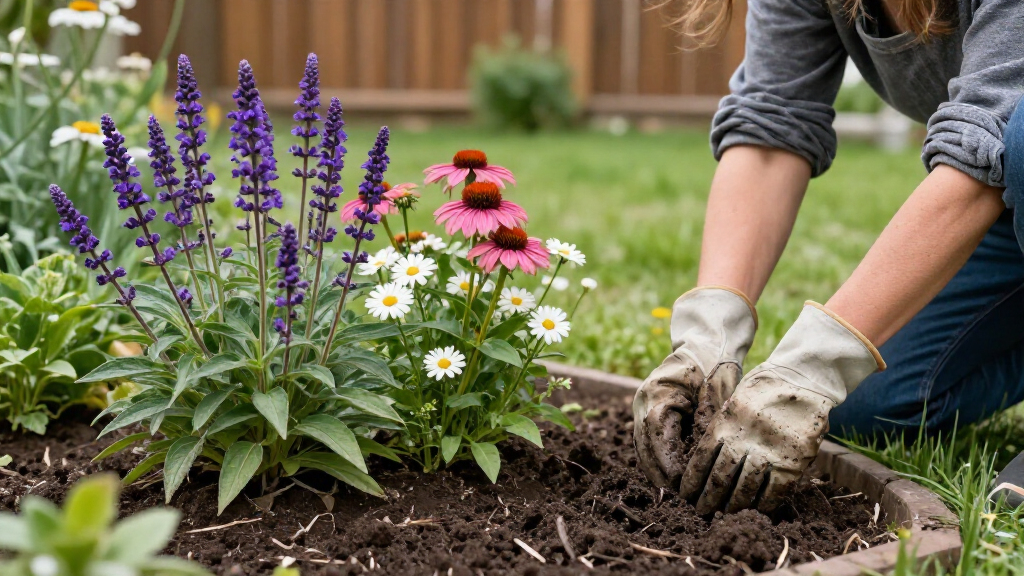
I evaluated these products based on their suitability for garden borders, focusing on height consistency, bloom duration, and maintenance intensity. Perennials were prioritized over annuals where possible, as borders benefit from plants that return reliably year after year without replanting. I compared seed viability rates and germination difficulty against the convenience of live plants, noting that while seeds offer variety, they introduce uncertainty in bloom timing and color consistency. Hardiness zones were also a key factor; options that thrive in a wider range of climates received higher rankings for versatility.
Factors to Consider When Choosing Best Flowering Garden Border Plants
Selecting the right flowering border plants involves more than just picking colors you like. You must consider the lifecycle of the plant, the effort required to establish it, and how it interacts with other garden elements.Seed vs. Live Plant Tradeoffs
Deciding between seeds and live plants is the first major fork in the road. Seeds offer an extensive variety of cultivars and a much lower cost per plant, making them ideal for large-scale naturalizing or budget-conscious projects. However, they require a significant time investment; most perennial seeds need stratification or specific temperature triggers to germinate, and plants often do not bloom until their second year. Live plants or bare roots provide instant gratification and a guaranteed start, which is valuable if you are renovating a tired border. While the upfront cost is higher, you eliminate the risk of failed germination and gain a season of blooms immediately. For most home gardeners, a mix of live shrubs for structure and seeds for ground cover offers the best balance of speed and value.
Height and Layering Strategy
A successful border relies on visual depth, which is achieved by layering plants by height. Tall varieties like Hollyhocks or Hydrangeas should be placed at the back of the border or against walls to avoid shading out smaller flowers. Mid-height plants like Chrysanthemums and Bee Balm fill the middle zone, creating a dense wall of color that hides the stems of taller plants. Low-growing options such as Sweet Alyssum or Forget-Me-Not belong at the front edge, softening the hard line between the garden and the path or lawn. Ignoring this vertical hierarchy results in a flat, chaotic look where flowers are hidden or the border appears sparse.
Perennial vs. Annual Commitment
Perennial plants like Asters and Painted Daisies return every year, often getting larger and more impressive over time. This reduces annual maintenance costs and labor but requires initial patience and soil preparation. Annuals or biennials like Sweet Alyssum complete their lifecycle in one or two seasons, allowing for frequent changes in color scheme and layout. If you enjoy experimenting with new designs each year, annuals offer flexibility. However, if you prefer a low-maintenance landscape that matures over time, investing in hardy perennials is the more efficient choice. Consider your willingness to replant annually when making this decision.
Pollinator Impact and Ecosystem Health
Modern garden design increasingly prioritizes biodiversity. Plants like Bee Balm and Forget-Me-Not are not just ornamental; they serve as critical food sources for bees, butterflies, and hummingbirds. Choosing pollinator-friendly varieties supports local ecosystems and can improve the health of nearby vegetable gardens through increased pollination rates. Some ornamental hybrids, particularly double-flowered varieties, may have reduced nectar or pollen availability for insects. If ecological impact is a priority, select heirloom or single-flowered varieties that offer accessible nectar sources. This approach transforms your border from a static display into a dynamic, living habitat.
Frequently Asked Questions
How many seeds do I actually need for a standard garden border?
The quantity needed depends heavily on the plant size and spacing. For ground covers like Sweet Alyssum, a packet of 5,000 seeds can cover a substantial area, as plants are spaced only 6-8 inches apart. For larger perennials like Bee Balm or Hydrangeas, you might only need 10-20 plants per 10-foot section. Buying bulk seed packets is cost-effective for large areas but can lead to waste in small gardens. It is better to buy live plants for the main structural elements and use seeds only for filling gaps or creating informal drifts.Can I mix seeds and live plants in the same border?
Yes, and this is often the most effective strategy. Use live plants for the ‘bones’ of the border—shrubs like Encore Azaleas or tall perennials like Hollyhocks—to establish immediate structure and height. Then, sow seeds like Forget-Me-Not or Alyssum in the spaces between these larger plants to fill in gaps quickly. The live plants provide the backdrop, while the seeded plants offer rapid ground coverage and color. This hybrid approach balances cost, time, and aesthetic impact effectively.Do heirloom seeds guarantee the same flower color as the picture?
Heirloom seeds generally produce plants that are true to the type, but variation can occur, especially with mixed color packets like the Painted Daisy or Chrysanthemum mixes. You will get a range of colors within the described spectrum (e.g., pinks, reds, and whites) rather than a single uniform shade. This unpredictability can create a naturalistic, cottage-garden feel but lacks the precision of cloned live plants. If you require exact color matching for a formal design, live plants from a nursery are a safer bet.Which plants are best for shady borders?
Most flowering borders require full sun, but Bleeding Heart and Hydrangeas (particularly bigleaf varieties) tolerate partial shade well. Forget-Me-Not also thrives in dappled light and can naturalize in shaded areas. Avoid plants like Bee Balm or Hollyhocks in deep shade, as they will struggle to bloom and become leggy. Always check the specific light requirements for each plant, as ‘shade’ can range from morning sun/afternoon shade to full darkness, and not all shade-tolerant plants are the same.How do I prevent my border from looking empty early in the season?
Perennials like Bee Balm and Asters often emerge late in spring, leaving gaps. To combat this, interplant early-blooming bulbs like tulips or daffodils between the perennial roots. You can also sow fast-growing annuals like Sweet Alyssum or Forget-Me-Not in the spring; they will provide early color and then die back or be overshadowed by the emerging perennials. This layering technique ensures continuous visual interest from early spring through late autumn.Conclusion
For most gardeners, the Perfect Plants Autumn Bonfire Encore Azalea is the best overall choice, offering reliable, long-lasting blooms and instant impact that seeds cannot match. If you are on a tighter budget and willing to wait, the 1100+ Non-GMO Heirloom Bee Balm Perennial Flower Seeds provide the best value, attracting pollinators and returning year after year with minimal care. Beginners should start with the Mixrug Mixed Perennial Chrysanthemum Seeds due to their hardiness and forgiving nature, while those with limited space might prefer the compact growth habit of the Sweet Alyssum Seeds. Ultimately, the right choice depends on whether you prioritize speed (live plants) or volume and variety (seeds).