
TL;DR
Amateur Gardening contributor Kim Stoddart recommends seven houseplants for adding greenery at home during winter, including aloe vera, snake plant and prayer plant. The advice is a gardening feature, not a new scientific finding; claims that houseplants meaningfully clean indoor air should be treated cautiously, particularly because the cited NASA research used a controlled room environment.
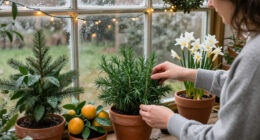
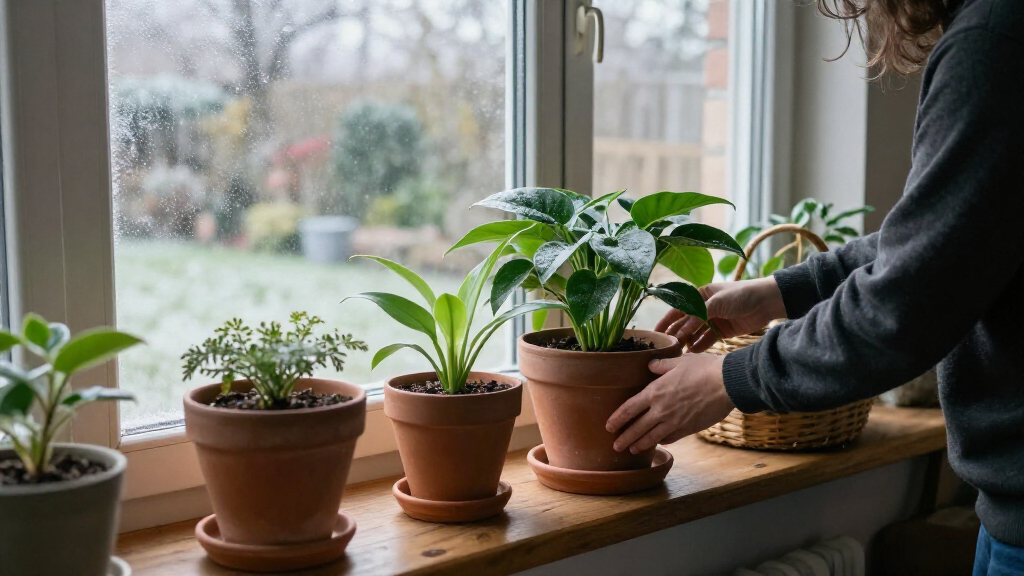
Amateur Gardening contributor Kim Stoddart has outlined seven houseplants for bringing greenery indoors during winter, favoring varieties she describes as resilient and relatively low-maintenance. The guide also discusses plants’ possible effects on indoor air, but notes that the often-cited NASA research took place in a controlled room and may not reflect normal homes.

Get garden gear delivered free with Prime
- Fast, free delivery on millions of items
- Prime Video, Amazon Music and more included
- Member-only deals all year
Stoddart’s list includes aloe vera, flaming sword bromeliad, snake plant, heart-leaf philodendron, jade plant and prayer plant. The article’s headline promises seven choices, but the supplied source text ends partway through the prayer plant section and does not include the seventh plant. That gap means the full list cannot be reported from the material available here.
The care suggestions vary by plant. Stoddart describes aloe and jade as drought-tolerant, advises placing snake plants in partial shade, and recommends keeping prayer plant soil slightly damp while avoiding direct sunlight. Bromeliads can be watered through the cups formed by their leaves, according to the guide. These are the writer’s gardening recommendations; individual care needs can vary with a home’s light, temperature and growing conditions.
Stoddart presents the plants primarily as attractive indoor greenery that can be manageable through winter. She also discusses air-cleaning claims, but qualifies them: the NASA survey she cites dates to 1989 and used a controlled room environment, unlike homes where doors and windows open and air moves in and out.
Choosing Plants for Winter Rooms
For readers who spend less time outdoors in winter, the guide offers practical options for keeping plants at home without taking on varieties Stoddart considers demanding. Its value is mainly as seasonal gardening advice: the suggestions cover differing light and watering preferences, helping readers match a plant to a room rather than treating every houseplant alike.
The air-quality discussion calls for restraint. Stoddart says plants may help filter air, but also acknowledges the limits of applying a controlled-room study to everyday homes. The article does not provide evidence that the listed plants will measurably improve air quality in a typical household. Readers should not treat houseplants as a replacement for ventilation or other established ways to address indoor pollutants.
Popular right now

De'Longhi Stilosa Compact Manual Espresso Machine with Milk Frother

Dyson V9 Motorbar Cordless Vacuum

TCL 55-Inch R7D Series QLED 4K UHD HDR Roku Smart TV (55R7D, 2026)
As an affiliate, we earn on qualifying purchases.
The Limits of Indoor Air Claims
The guide refers to a 1989 NASA survey that examined whether certain houseplants could reduce pollutants in a controlled room environment. Stoddart contrasts that setting with homes, where air flows through open windows and doors. The report does not give the survey’s full methods, pollutant measurements or the number of plants needed to produce a particular effect.
The article also makes a broader wellbeing case for indoor greenery, suggesting that green surroundings can promote calm. That is presented as the writer’s rationale for growing plants, not as a measured outcome from a new study. The source is a practical gardening feature rather than a research announcement.
“The answer is ‘no, no, and no’ for good measure. Yet, it’s also a hearty ‘yes please’ to lots of greenery inside the home.”
— Kim Stoddart, Amateur Gardening contributor
What the Source Does Not Establish
The supplied report text is incomplete: it ends during the prayer plant description, so the seventh plant and the rest of the care guidance are unavailable. The publication date is also not stated in the material provided.
The source does not show whether the named plants reduce indoor pollutants in typical homes, or by how much. It offers no measurements, comparison baseline or health outcomes. Claims about air cleansing and wellbeing should therefore remain qualified, rather than being treated as confirmed effects of keeping these plants indoors.
Check Care Needs Before Buying
Readers considering the plants can use the guide’s care notes as a starting point, then check the needs of the specific variety they plan to buy, especially its preferred light and watering conditions. The available source does not identify the seventh recommendation, so a complete account of all seven choices would require the full article.
No new research, official guidance or follow-up announcement is included in the source material. The confirmed development is the publication of a seasonal gardening guide, not a change in scientific advice about indoor air.
Key Questions
Which plants are named in the available guide?
The supplied text names aloe vera, flaming sword bromeliad, snake plant, heart-leaf philodendron, jade plant and prayer plant. It cuts off before the seventh recommendation appears.
Does the article prove houseplants clean air in homes?
No. It refers to a 1989 NASA survey in a controlled room and acknowledges that homes have different airflow. The supplied material does not establish a measurable effect in ordinary households.
Which plants does Stoddart describe as drought-tolerant?
She describes aloe vera and jade plant as able to tolerate infrequent watering. Actual needs still depend on growing conditions, and overwatering can harm plants.
What care does the guide recommend for prayer plants?
Stoddart advises using rainwater where possible, keeping the soil slightly damp, and avoiding direct sunlight. The source text ends before the full section is available.
Source: amateurgardening.com