Choosing the best evergreen plants for winter requires balancing hardiness with visual appeal, as many shrubs turn brown or lose needles when temperatures drop. My top pick is the Bird’s Nest Spruce for its exceptional cold tolerance and unique compact form, while the Blue Star Juniper stands out for adding vibrant color to dull landscapes. Homeowners often face a tradeoff between plants that offer dense screening and those that provide seasonal flowers or berries. This guide breaks down ten distinct options, helping you avoid common mistakes like selecting species that scorch in winter sun. Continue reading to see which plant fits your specific zone and maintenance preferences.

Get garden gear delivered free with Prime
- Fast, free delivery on millions of items
- Prime Video, Amazon Music and more included
- Member-only deals all year
Complete the kit


Key Takeaways
- Cold-hardy conifers like the Bird’s Nest Spruce outperform broadleaf evergreens in zones below 7.
- Boxwoods offer superior density for hedges but require more pruning than junipers or spruces.
- Gardenias provide rare winter fragrance but demand acidic soil and careful wind protection.
- Dwarf varieties like the Dwarf Alberta Spruce are ideal for small spaces but can suffer from mite infestations in dry conditions.
- Berries and winter interest are limited to specific species like Gaultheria, which require shade and moist soil.
| Perfect Plants Autumn Bonfire Encore Azalea Live Plant, 1 Gallon |  | Best for Season-Long Color | Plant Type: Evergreen Azalea Shrub | Mature Size: 3 feet tall, 3 feet wide | Hardiness Zones: 6-10 | VIEW LATEST PRICE | See Our Full Breakdown |
| Bird’s Nest Spruce (Picea abies ‘Nidiformis’), 3-Gallon Container |  | Best for Cold Climates | Plant Type: Evergreen Shrub | Mature Size: 2-3 feet tall, 4-5 feet wide | Hardiness Zones: 3-8 | VIEW LATEST PRICE | See Our Full Breakdown |
| Perfect Plants Frostproof Gardenia Live Plant, 1 Gallon Pot |  | Best for Fragrance | Plant Type: Shrub & Hedge | Mature Size: 5 feet tall, 4 feet wide | Hardiness Zones: 7-10 | VIEW LATEST PRICE | See Our Full Breakdown |
| Blue Star Juniper Evergreen Shrub, Blue Foliage |  | Best for Unique Foliage | Plant Type: Evergreen Shrub | Mature Size: 2 feet tall, 3-4 feet wide | Hardiness Zones: 4-8 | VIEW LATEST PRICE | See Our Full Breakdown |
| Perfect Plants Wintergreen Boxwood Live Shrub, 1 Gallon |  | Best for Formal Hedges | Plant Type: Live Shrub and Hedge | Mature Size: 3-4 feet tall, 4-5 feet wide | Hardiness Zones: 5-9 | VIEW LATEST PRICE | See Our Full Breakdown |
| Dwarf Alberta Spruce Shrub, 1 Gallon, Green |  | Best Classic Winter Accent | Botanical Name: Picea glauca ‘Conica’ | Mature Size: 4–5 ft. wide × 6–8 ft. tall | Hardiness Zones: 2–8 | VIEW LATEST PRICE | See Our Full Breakdown |
| Gaultheria (Winterberry) Live Evergreen Plant |  | Best for Potted Winter Color | Plant Type: Gaultheria (Winterberry) | Hardiness Zone: 3-8 | Sunlight Exposure: Partial Sun | VIEW LATEST PRICE | See Our Full Breakdown |
| Gaultheria procumbens (Wintergreen) Evergreen Plant, #1 Container |  | Best Shade-Loving Ground Cover | Plant Type: Evergreen ground cover | Mature Size: 3–6 in. H × 6–12 in. W | Hardiness Zone: 3–8 | VIEW LATEST PRICE | See Our Full Breakdown |
| Perfect Plants Jubilation Gardenia Live Plant, 1 Gallon |  | Best Fragrant Evergreen for Warm Climates | Brand: Perfect Plants | Mature Height: 3 to 4 feet | Hardiness Zones: 7-10 | VIEW LATEST PRICE | See Our Full Breakdown |
| Wintergreen Boxwood Live Evergreen Shrub (Buxus microphylla ‘Wintergreen’) – 3 Gallon |  | Best Formal Hedge Structure | Botanical Name: Buxus microphylla ‘Wintergreen’ | Mature Height: 3-4 feet | Hardiness Zones: 5-8 | VIEW LATEST PRICE | See Our Full Breakdown |
| evergreen plants for winter | Hardiness Zones | Container Size | Plant Type | Mature Size |
|---|---|---|---|---|
| Perfect Plants Autumn Bonfire | 6-10 | 1 Gallon | Evergreen Azalea Shrub | 3 feet tall, 3 feet wide |
| Bird’s Nest Spruce | 3-8 | 3-Gallon Trade Pot | Evergreen Shrub | 2-3 feet tall, 4-5 feet wide |
| Perfect Plants Frostproof Gard | 7-10 | 1 Gallon | Shrub & Hedge | 5 feet tall, 4 feet wide |
| Blue Star Juniper Evergreen Sh | 4-8 | — | Evergreen Shrub | 2 feet tall, 3-4 feet wide |
| Perfect Plants Wintergreen Box | 5-9 | — | Live Shrub and Hedge | 3-4 feet tall, 4-5 feet wide |
| Dwarf Alberta Spruce Shrub | 2–8 | 1 gallon | — | 4–5 ft. wide × 6–8 ft. tall |
| Gaultheria | — | 4.5" Round Pot | Gaultheria (Winterberry) | — |
| Gaultheria procumbens | — | #1 | Evergreen ground cover | 3–6 in. H × 6–12 in. W |
| Perfect Plants Jubilation Gard | 7-10 | 1 Gallon | — | — |
| Wintergreen Boxwood Live Everg | 5-8 | 3 Gallon | — | — |
More Details on Our Top Picks
Perfect Plants Autumn Bonfire Encore Azalea Live Plant, 1 Gallon
This azalea stands out for its repeat blooming cycle, offering bright red flowers from spring through fall, unlike the Frostproof Gardenia which stops blooming in summer. While the foliage remains evergreen in mild winters, it is less reliable in deep freeze zones compared to the Bird’s Nest Spruce. The compact 3-foot size makes it ideal for small spaces, but it demands acidic, moist soil, a higher maintenance burden than the drought-tolerant junipers in this lineup. If you prioritize floral display over low upkeep, this is a strong contender, though its regional shipping restrictions limit availability.Pros:- Blooms from spring through fall for extended color
- Compact 3-foot size fits small gardens or containers
- Evergreen foliage provides year-round structure
- Attracts pollinators and resists deer browsing
Cons:- Requires specific acidic, moist soil conditions
- Strict regional shipping restrictions in the West
- Less cold-hardy than coniferous alternatives
Best for: Gardeners in zones 7-9 seeking long-lasting floral color in acidic soil
Not ideal for: Residents of California or Arizona, or those with alkaline, dry soil
- Plant Type:Evergreen Azalea Shrub
- Mature Size:3 feet tall, 3 feet wide
- Hardiness Zones:6-10
- Sunlight:4-6 hours (Full Sun listed)
- Soil Preference:Moist, well-drained, slightly acidic loam
- Bloom Period:Spring to Fall
- Container Size:1 Gallon
Our verdict“Choose this azalea if you want vibrant, long-lasting blooms and can manage acidic soil requirements.”
Bird’s Nest Spruce (Picea abies ‘Nidiformis’), 3-Gallon Container
This spruce is the most cold-tolerant option here, thriving in zones 3-8 where the Autumn Bonfire Azalea might struggle. Its spreading, nest-like habit makes it excellent for ground cover or foundation planting, contrasting with the upright form of the Wintergreen Boxwood. While it tolerates sandy soil better than most, its slow growth rate means patience is required to achieve full coverage. It arrives fully rooted, reducing transplant shock, but does not offer the floral interest of the gardenias or azaleas, prioritizing structural resilience over color.Pros:- Extremely cold-hardy for zones 3-8
- Spreading habit works well as ground cover
- Tolerates poor, sandy soils effectively
- Arrives fully rooted in a large 3-gallon pot
Cons:- Very slow growth rate delays landscape impact
- No flowers or colorful berries
- Planting timing is sensitive to extreme cold
Best for: Northern gardeners in zones 3-6 needing hardy, spreading evergreen ground cover
Not ideal for: Those wanting quick growth, floral displays, or vertical height
- Plant Type:Evergreen Shrub
- Mature Size:2-3 feet tall, 4-5 feet wide
- Hardiness Zones:3-8
- Sun Exposure:Full sun to partial shade
- Soil Type:Tolerates sandy soil
- Growth Habit:Slow-growing and spreading
- Container Size:3-Gallon Trade Pot
Our verdict“Select this spruce for its unmatched cold tolerance and low-maintenance spreading form in northern climates.”
Perfect Plants Frostproof Gardenia Live Plant, 1 Gallon Pot
This gardenia offers intense fragrance that neither the Blue Star Juniper nor the Bird’s Nest Spruce can match. It is marketed as frostproof, suggesting better cold resilience than typical gardenias, though it still prefers zones 7-10. The 5-foot height makes it suitable for hedges, unlike the compact Wintergreen Boxwood. However, it requires specific sunlight and soil conditions to bloom, and like the azalea, it cannot ship to certain western states. It is a high-reward plant for scent lovers willing to provide consistent care.Pros:- Produces highly fragrant white flowers
- Frostproof variety offers wider climate compatibility
- Deer-resistant and low maintenance once established
- Versatile for hedges, borders, or accents
Cons:- Strict shipping restrictions in Western states
- Requires specific sunlight for optimal blooming
- Less cold-hardy than coniferous options
Best for: Gardeners in mild climates (zones 7-10) who prioritize fragrant blooms for hedges
Not ideal for: Residents of CA/AZ or those unable to provide consistent acidic soil care
- Plant Type:Shrub & Hedge
- Mature Size:5 feet tall, 4 feet wide
- Hardiness Zones:7-10
- Sunlight:Full Sun to Partial Shade
- Bloom Period:Spring to Summer
- Special Features:Frostproof, Deer Resistant, Fragrant
- Container Size:1 Gallon
Our verdict“Buy this gardenia if you live in a mild climate and want a fragrant, evergreen hedge.”
Blue Star Juniper Evergreen Shrub, Blue Foliage
The Blue Star Juniper provides distinctive blue-green foliage that offers winter interest without relying on flowers, unlike the Autumn Bonfire Azalea. Its very slow growth ensures it stays compact, making it better for small spaces than the larger Frostproof Gardenia. It thrives in full sun and is highly drought-tolerant, requiring less water than the boxwood. However, its shipping restrictions are extensive, covering many western and mountain states. This is a choice for texture and color contrast rather than height or floral scent.Pros:- Dense blue-green foliage provides unique winter color
- Very slow growth maintains compact size naturally
- Highly drought-tolerant once established
- Arrives fully rooted and ready for planting
Cons:- Extensive shipping restrictions across many states
- Very slow growth delays full landscape effect
- Requires full sun for best foliage color
Best for: Sun-loving gardeners in zones 4-8 seeking low-maintenance, colorful foliage accents
Not ideal for: Those in restricted shipping zones or wanting a fast-growing privacy screen
- Plant Type:Evergreen Shrub
- Mature Size:2 feet tall, 3-4 feet wide
- Hardiness Zones:4-8
- Sun Exposure:Full Sun
- Growth Rate:Very Slow
- Foliage Color:Blue-Green
- Growth Habit:Low and Rounded
Our verdict“Choose this juniper for its striking blue foliage and low water needs in sunny locations.”
Perfect Plants Wintergreen Boxwood Live Shrub, 1 Gallon
This boxwood is the most versatile for shaping, responding well to pruning for formal hedges or topiaries, unlike the naturally spreading Bird’s Nest Spruce. Its dense, dark green foliage remains lush in winter, offering a classic look compared to the blue tones of the Blue Star Juniper. It includes plant food and a care guide, aiding beginners. However, it requires full sun and moderate watering, making it less forgiving than drought-tolerant junipers. It also faces shipping restrictions in CA and AZ, limiting its accessibility for some buyers.Pros:- Excellent for pruning into formal hedges or topiaries
- Dense foliage stays green through cold winters
- Includes plant food and care guide for beginners
- Moderate growth rate allows for manageable maintenance
Cons:- Requires full sun and consistent moderate watering
- Cannot ship to California or Arizona
- Needs regular pruning to maintain shape
Best for: Homeowners wanting a traditional, shapeable evergreen for hedges or borders
Not ideal for: Those in shade, drought-prone areas, or restricted shipping zones
- Plant Type:Live Shrub and Hedge
- Mature Size:3-4 feet tall, 4-5 feet wide
- Hardiness Zones:5-9
- Sunlight:Full Sun
- Soil Type:Sandy Soil
- Bloom Period:Spring
- Included Items:Plant Food and Care Guide
Our verdict“Opt for this boxwood if you want a classic, shapeable evergreen for structured landscaping.”
Dwarf Alberta Spruce Shrub, 1 Gallon, Green
This Dwarf Alberta Spruce is the quintessential winter evergreen, offering a naturally compact, cone-shaped form that requires minimal pruning to maintain its tidy silhouette. Compared to the Blue Star Juniper in this roundup, which offers blue-toned foliage, the Alberta Spruce provides a classic deep green hue that contrasts beautifully with snow. Its hardiness in zones 2-8 makes it far more resilient in extreme cold than the Jubilation Gardenia, which is limited to warmer climates. While it grows slower than many shrubs, its year-round structure makes it ideal for formal gardens. However, buyers should note that while it stays small initially, it can eventually reach 6-8 feet, requiring space planning. It is a low-maintenance choice for those who want a traditional look without constant upkeep.Pros:- Naturally compact, cone-shaped form requires minimal pruning
- Extremely hardy across USDA zones 2-8
- Dense, soft needles provide year-round visual interest
Cons:- Can grow larger than expected (6-8 ft) over many years
- Requires full sun to partial shade, limiting placement options
Best for: Gardeners in cold climates who want a traditional, low-maintenance evergreen for foundation planting or formal accents.
Not ideal for: Small patios or tight spaces where the eventual 6-8 foot height might overwhelm the area over time.
- Botanical Name:Picea glauca ‘Conica’
- Mature Size:4–5 ft. wide × 6–8 ft. tall
- Hardiness Zones:2–8
- Sun Exposure:Full sun to partial shade
- Container Size:1 gallon
- Maintenance:Low
Our verdict“Choose this if you want a timeless, hardy evergreen that looks like a miniature Christmas tree year-round.”
Gaultheria (Winterberry) Live Evergreen Plant
This Gaultheria (Winterberry) stands out for its vibrant red berries that persist through winter, offering a pop of color that the Wintergreen Boxwood lacks. While the Wintergreen Boxwood provides structural greenery, this plant adds decorative flair to indoor pots or outdoor shaded beds. It is a low-growing ground cover that spreads up to three feet, making it excellent for filling gaps under larger shrubs. Unlike the Dwarf Alberta Spruce, which needs full sun, this plant thrives in partial shade, offering flexibility for darker garden corners. The tradeoff is its slow spreading habit; it takes time to cover large areas. Additionally, it requires annual pruning of old stems to encourage new berry production, unlike the more maintenance-free boxwood.Pros:- Vibrant red berries provide winter visual interest
- Thrives in partial shade, unlike many sun-loving evergreens
- Edible berries and leaves add unique utility
Cons:- Slow spreading habit limits quick ground coverage
- Requires annual spring pruning to maintain berry production
Best for: Decorators and gardeners who want seasonal berry color in containers or shaded garden beds.
Not ideal for: Those seeking a fast-growing ground cover for large areas, as its spread is slow and requires patience.
- Plant Type:Gaultheria (Winterberry)
- Hardiness Zone:3-8
- Sunlight Exposure:Partial Sun
- Mature Height:8 inches
- Spread:Up to 3 feet
- Container Size:4.5″ Round Pot
- Moisture Needs:Moderate
Our verdict“Ideal for adding festive berry color to winter containers or shaded garden spots.”
Gaultheria procumbens (Wintergreen) Evergreen Plant, #1 Container
The Gaultheria procumbens (Wintergreen) is a compact, hardy ground cover that excels in full shade to partial sun, making it a superior choice for dark corners compared to the Dwarf Alberta Spruce, which demands more light. This plant features persistent red berries from fall into winter, similar to the Winterberry, but with a more compact, upright habit that stays under 6 inches tall. It is deer-resistant and low-maintenance, requiring less pruning than the Wintergreen Boxwood. However, its small mature size means it will not provide the vertical structure or hedge capability of the Boxwood. This plant is best suited for edging or woodland gardens where a delicate, berry-studded carpet is desired rather than a substantial shrub.Pros:- Thrives in full shade where other evergreens struggle
- Persistent red berries add fall and winter color
- Compact size ideal for edging and small spaces
Cons:- Very small mature size limits its use as a focal shrub
- Prefers shade, so it may scorch in full sun
Best for: Shade gardeners looking for a low-growing, berry-producing evergreen for woodland edges or underplantings.
Not ideal for: Those needing a tall hedge or foundation shrub, as it stays very low to the ground.
- Plant Type:Evergreen ground cover
- Mature Size:3–6 in. H × 6–12 in. W
- Hardiness Zone:3–8
- Sunlight Exposure:Full shade to partial sun
- Fruit Color:Red
- Container Size:#1
- Soil Type:Loam
Our verdict“Perfect for adding texture and berries to shady garden edges without taking up vertical space.”
Perfect Plants Jubilation Gardenia Live Plant, 1 Gallon
The Jubilation Gardenia is an evergreen shrub that offers sweetly fragrant white flowers from spring to fall, a feature completely absent in the Wintergreen Boxwood or Dwarf Alberta Spruce. While those plants provide structural greenery, the Gardenia adds sensory impact and seasonal blooms. It is heat and humidity tolerant, thriving in zones 7-10, but this limits its use in colder regions where the Winterberry or Alberta Spruce would survive. The compact, rounded shape makes it excellent for containers or small gardens. However, it requires acidic, well-drained soil and consistent care, unlike the more forgiving Boxwood. It is also not shippable to California or Arizona, a significant restriction for buyers in those states.Pros:- Long blooming season with fragrant white flowers
- Heat and humidity tolerant for southern climates
- Deer and disease resistant
Cons:- Limited hardiness zones (7-10) restrict cold-climate use
- Requires specific acidic soil conditions to thrive
Best for: Gardeners in warm, humid climates who want fragrant blooms and evergreen structure in one plant.
Not ideal for: Buyers in cold climates (zones below 7) or those in CA/AZ who cannot receive shipments.
- Brand:Perfect Plants
- Mature Height:3 to 4 feet
- Hardiness Zones:7-10
- Bloom Season:Spring to Fall
- Soil Type:Well-drained, acidic loam
- Container Size:1 Gallon
- Special Features:Fragrant, Deer Resistant
Our verdict“Best for warm climates where fragrance and long-lasting blooms are prioritized over pure hardiness.”
Wintergreen Boxwood Live Evergreen Shrub (Buxus microphylla ‘Wintergreen’) – 3 Gallon
The Wintergreen Boxwood is the definitive choice for formal hedges and foundations, offering a dependable, dense green foliage that holds up well in winter. Compared to the Dwarf Alberta Spruce, which has a natural cone shape, the Boxwood is more versatile for topiary and edging due to its small, compact leaves. It is hardier in zones 5-8 than the Jubilation Gardenia, making it suitable for a wider range of climates. This 3-gallon plant arrives established with healthy roots, reducing transplant shock. However, it is heavy to ship (50 lbs) and has significant shipping restrictions across the western US. Unlike the Winterberry, it offers no berries, focusing purely on structural elegance and year-round greenery.Pros:- Dependable year-round green foliage and structure
- Naturally tidy habit requires minimal pruning
- Established root system eases planting
Cons:- Heavy shipping weight complicates handling
- Restricted shipping to many western and northern states
Best for: Homeowners seeking a classic, formal evergreen for hedges, edging, or foundation planting.
Not ideal for: Customers in restricted shipping states or those who want berry interest or fragrance.
- Botanical Name:Buxus microphylla ‘Wintergreen’
- Mature Height:3-4 feet
- Hardiness Zones:5-8
- Sunlight Exposure:Full Sun to Partial Shade
- Container Size:3 Gallon
- Item Weight:50 lbs
- Soil Preference:Moist, Well-drained
Our verdict“The go-to choice for traditional, low-maintenance formal greenery in hedges and borders.”
How We Picked
I evaluated these plants based on their hardiness zones, ensuring each selection could survive typical winter conditions in its designated range. I prioritized species known for retaining foliage color and density during the coldest months, as many evergreens suffer from winter burn or needle drop. Maintenance requirements were another key factor; I favored plants that require minimal pruning or special soil amendments unless the aesthetic payoff was significant. Finally, I considered versatility, looking for plants that serve multiple functions such as screening, foundation planting, or accent color. This ranking reflects a balance of resilience, visual impact, and ease of care for the average homeowner.
| evergreen plants for winter | Plant Type |
|---|---|
| Perfect Plants Autumn Bonfire | Evergreen Azalea Shrub |
| Bird’s Nest Spruce | Evergreen Shrub |
| Perfect Plants Frostproof Gard | Shrub & Hedge |
| Blue Star Juniper Evergreen Sh | Evergreen Shrub |
| Perfect Plants Wintergreen Box | Live Shrub and Hedge |
| Dwarf Alberta Spruce Shrub | — |
| Gaultheria | Gaultheria (Winterberry) |
| Gaultheria procumbens | Evergreen ground cover |
| Perfect Plants Jubilation Gard | — |
| Wintergreen Boxwood Live Everg | — |
Factors to Consider When Choosing Best Evergreen Plants For Winter
Selecting the right evergreen involves more than just picking a pretty shrub. You must match the plant to your specific microclimate and long-term garden goals to avoid costly replacements.Hardiness Zones and Microclimates
While hardiness zones provide a general guideline, microclimates within your yard dictate survival. A plant rated for Zone 5 might fail in a wind-exposed corner that effectively acts as Zone 4. I recommend checking your specific site for wind exposure and sun reflection from walls, which can scorch evergreens even in mild winters. Plants like the Blue Star Juniper tolerate harsher sun, while Gaultheria needs shelter. Always err on the side of a plant rated one zone colder than your average to account for unexpected cold snaps and reduce winter stress.
Soil pH and Drainage Requirements
Most evergreens struggle if planted in soil that does not match their natural preferences. Gardenias and Azaleas demand acidic soil, and if your native earth is alkaline, they will yellow and die. Conversely, many conifers like the Bird’s Nest Spruce prefer neutral to slightly acidic soil but hate soggy roots. Before purchasing, test your soil pH. If you cannot amend the soil easily, choose plants native to your region’s soil type rather than forcing exotic varieties to survive in unfavorable conditions, which leads to chronic stress and poor winter performance.
Winter Burn and Protection Needs
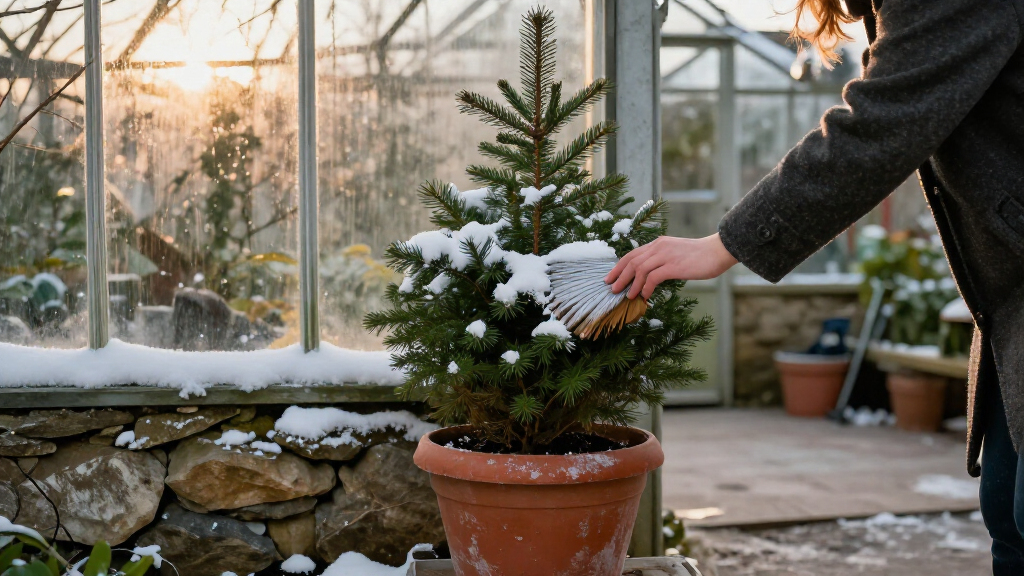
Winter burn occurs when evergreens lose more water through their leaves than their roots can absorb from frozen ground. This is a primary reason broadleaf evergreens like Boxwood and Gardenia turn brown in late winter. I suggest selecting plants with waxy leaves or needle-like foliage if you live in windy, sunny areas. If you prefer broadleaf varieties, plan for winter protection using burlap screens or anti-desiccant sprays. Conifers generally resist this issue better, making them a lower-maintenance choice for exposed sites where wind protection is impractical.
Growth Rate and Ultimate Size
Many buyers mistake dwarf varieties for slow-growing ones, leading to overcrowding. The Dwarf Alberta Spruce grows slowly but can still reach significant heights over decades. I advise checking the ultimate size at maturity, not the size at purchase. A 1-gallon plant may look tiny, but if it reaches six feet wide, it will crowd your foundation or walkways. Proper spacing prevents disease and reduces the need for aggressive pruning, which can ruin the natural shape of evergreens and expose them to winter damage.
Pest and Disease Resistance
Evergreens are often plagued by specific pests like spider mites, boxwood blight, or scale. Boxwoods are notoriously susceptible to blight in humid climates, requiring careful air circulation and fungicide applications. In contrast, Junipers and Spruces tend to be more resistant to severe diseases but may attract bagworms or spider mites in dry, dusty conditions. I recommend choosing species with known resistance profiles for your region. If you live in a humid area, avoid sensitive broadleaf evergreens unless you are prepared for proactive chemical treatments or rigorous sanitation practices.
Frequently Asked Questions
Which evergreen plant is hardest to keep alive in winter?
The Gardenia is often the most challenging broadleaf evergreen for winter survival in colder zones. It requires acidic soil, high humidity, and protection from drying winds. If the soil freezes, the roots cannot supply water to the leaves, leading to rapid desiccation. Without careful site selection and windbreaks, gardenias frequently suffer from bud drop or leaf scorch. For beginners, conifers like the Bird’s Nest Spruce are far more forgiving and require less intervention during the cold months.
Do I need to water evergreens in winter?
Yes, watering is critical if the ground is not frozen solid. Evergreens lose water through their foliage even in winter, especially on sunny or windy days. If the soil is dry and unfrozen, the roots cannot replenish this moisture, causing winter burn. I recommend deep watering in late fall before the ground freezes and during any warm, dry spells in winter. This practice is particularly important for newly planted shrubs like the Autumn Bonfire Azalea, which have not yet established deep root systems.
Can I plant evergreens in late fall?
Late fall is an excellent time to plant, provided the ground is not frozen. The soil remains warm enough for root growth, while the air is cool, reducing transpiration stress on the foliage. Plants like the Blue Star Juniper establish roots efficiently during this period, giving them a head start for spring. However, you must water them thoroughly after planting and mulch well to insulate roots. Avoid planting too late in the season if you live in a region with early, harsh freezes, as roots need time to anchor before deep frost.
Why are my evergreen leaves turning brown?
Browning can result from winter burn, root rot, or pest infestation. Winter burn appears as crispy, brown edges on the side facing the sun or wind. Root rot causes general yellowing or browning due to poor drainage, common in clay soils. Pests like spider mites cause stippling or fine webbing. To diagnose, check the soil moisture and inspect the underside of leaves. If the browning is only on the windward side, it is likely environmental stress rather than disease, and improving site protection will help future seasons.
Are dwarf evergreens suitable for foundation planting?
Yes, dwarf varieties like the Dwarf Alberta Spruce are ideal for foundation planting because they maintain a manageable size. However, you must account for their slow but steady growth. Planting them too close to the house can lead to crowding as they mature. I suggest spacing them according to their ultimate width, not their current size, to ensure air circulation and prevent moisture buildup against the siding. This spacing prevents mold and keeps the plants healthy without requiring excessive pruning that ruins their natural form.
Conclusion
For most homeowners seeking a resilient, low-maintenance option, the Bird’s Nest Spruce is the best overall choice due to its compact size and excellent cold tolerance. If you prioritize vibrant color and texture, the Blue Star Juniper offers a striking alternative that thrives in sun and tolerates drought. For those willing to provide extra care for the reward of fragrance, the Frostproof Gardenia is the premium pick, though it demands acidic soil and wind protection. Beginners should start with the Wintergreen Boxwood for its versatility and ease of shaping, while gardeners in shady, moist spots will find success with Gaultheria for its unique berries and ground-covering habit.