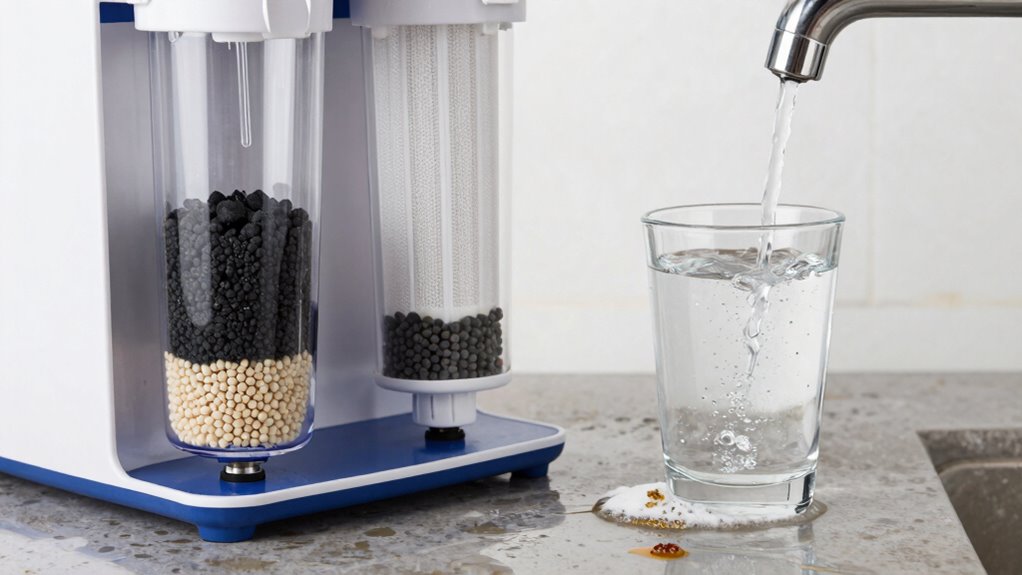

Water softening and filtration tackle different issues to improve your water quality. Softening removes minerals like calcium and magnesium that cause scale buildup, which protects your pipes and makes cleaning easier. Filtration, on the other hand, targets pollutants like chlorine, bacteria, and heavy metals, ensuring your water is safe and tastes better. Together, they provide an all-inclusive solution for cleaner, safer water and longer-lasting appliances. Keep exploring to discover how combining these systems can benefit you even more.

Get garden gear delivered free with Prime
- Fast, free delivery on millions of items
- Prime Video, Amazon Music and more included
- Member-only deals all year
Key Takeaways
- Water softening removes calcium and magnesium to prevent scale buildup and improve cleaning efficiency.
- Filtration removes contaminants like chlorine, bacteria, and heavy metals for safer, better-tasting water.
- Combining softening and filtration addresses both mineral deposits and chemical or biological pollutants.
- Softening extends appliance lifespan by reducing mineral-related damage, while filtration enhances water safety.
- Integrated systems provide comprehensive solutions for household water quality and appliance performance.
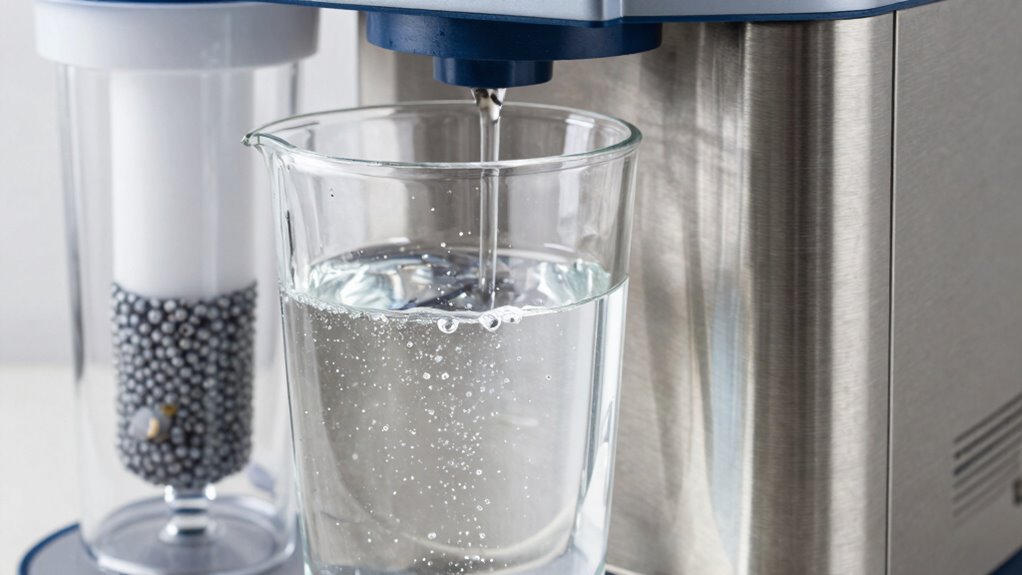
Water softening and filtration are essential processes that improve water quality by removing unwanted minerals and contaminants. When you deal with hard water, you notice it through the buildup of mineral deposits on fixtures, soap scum, and sometimes even dry skin after showers. Hard water contains high levels of calcium and magnesium, which can cause scale buildup in pipes and appliances, reducing their efficiency and lifespan. By using water softening systems, you effectively replace these minerals with sodium or potassium ions, preventing deposits and extending the life of your plumbing and appliances. This process not only saves you money on repairs but also makes cleaning easier because soap lathers better without the minerals interfering.
Pollutant removal is another critical aspect of water filtration. Contaminants like chlorine, bacteria, pesticides, heavy metals, and other pollutants can pose health risks and compromise the taste and odor of your water. Filtration systems can target these pollutants, ensuring your water is safe and pleasant to drink. Activated carbon filters, for example, excel at removing chemicals like chlorine and volatile organic compounds, which can cause unpleasant taste and odors. For more harmful contaminants like bacteria and heavy metals, specialized filters such as reverse osmosis systems are effective. These systems trap or dissolve pollutants, providing pure water that’s safe for drinking and cooking.
When you combine water softening and filtration, you address multiple issues simultaneously. Softening tackles the mineral-related problems caused by hard water, while filtration handles a broader range of chemical and biological pollutants. This all-encompassing approach ensures the water you use daily is not only free of scale and mineral deposits but also safe from potential health hazards. It’s particularly beneficial in areas where water quality is compromised or naturally hard. Furthermore, softening and filtration systems can be tailored to meet your specific needs, whether it’s improving water for household chores, drinking, or both.
In essence, these processes work together to solve different problems with water quality. You’ll notice fewer deposits on your fixtures, better soap performance, and improved appliance efficiency. At the same time, your drinking water becomes clearer, tastier, and safer. Incorporating water treatment technologies can further enhance the quality of your water by addressing other common issues like bacteria and chemical contaminants. Additionally, upgrading your systems with advanced filtration can provide even more comprehensive protection against emerging pollutants. Properly understanding water quality and how these systems work can help you make more informed decisions for your home. By investing in both water softening and filtration, you’re making a smart choice to protect your health, extend the lifespan of your appliances, and enjoy cleaner, better-tasting water every day.
water softener system for hard water
As an affiliate, we earn on qualifying purchases.
As an affiliate, we earn on qualifying purchases.
Frequently Asked Questions
How Often Should I Replace My Water Softener or Filter?
You should replace your water softener or filter based on your maintenance schedule and replacement frequency guidelines. Typically, filters need replacement every 3 to 6 months, while softeners may last 10 to 15 years with proper maintenance. Keep an eye on water quality and system performance. Regularly check logs, and follow manufacturer recommendations to guarantee your system works efficiently and provides clean, soft water consistently.
Can Softening and Filtration Systems Be Used Together?
Yes, you can definitely use softening and filtration systems together. It’s a coincidence that many homeowners discover combined installation options, enhancing overall water quality. When considering system compatibility, make sure the units are designed to work side-by-side, preventing issues like pressure drops or inefficiency. Combining these systems can effectively remove both minerals and contaminants, giving you cleaner, softer water without the need for separate setups or complicated maintenance routines.
Are There Environmental Impacts of Water Softening Methods?
Environmental concerns are valid when considering water softening methods, especially with salt-based systems that generate brine waste. These practices can impact local ecosystems and water quality. To promote sustainability, you can opt for alternative softening options like reverse osmosis or potassium-based systems. By choosing eco-friendly methods and following sustainable practices, you help minimize environmental impacts while ensuring your water remains soft and safe for use.
What Is the Cost Difference Between Softening and Filtration Systems?
Think of water softening systems as a luxury car—they cost more upfront but offer longer-term benefits, while filtration systems are like a reliable sedan—more affordable initially. The cost comparison shows softening systems often have higher upfront costs and maintenance expenses, including salt and resin replacement. Filtration systems typically have lower initial costs and minimal ongoing expenses, making them a budget-friendly choice if you’re looking for simpler, straightforward water treatment.
Do These Systems Remove All Types of Contaminants?
Water softening and filtration systems don’t remove all types of contaminants. Softening mainly targets minerals like calcium and magnesium, so it’s limited in removing other pollutants. Filtration systems can eliminate sediments, chlorine, and some chemicals, but their contaminant removal depends on the filter type and media. System limitations mean you might need additional treatments for specific contaminants like bacteria, viruses, or volatile organic compounds.
Conclusion
Think of water softening and filtration as your home’s personal superheroes, each tackling different villains. I once saw a family transform their hard, mineral-laden water into clear, gentle streams, like a shield from stubborn stains and buildup. Just like a trusty sidekick, these systems work together to protect your appliances and health. When you understand their roles, you’ll appreciate how they turn everyday water into a clean, invigorating solution—your home’s true guardians.
Fall yard work Picks
leaf blowers
As an affiliate, we earn on qualifying purchases.