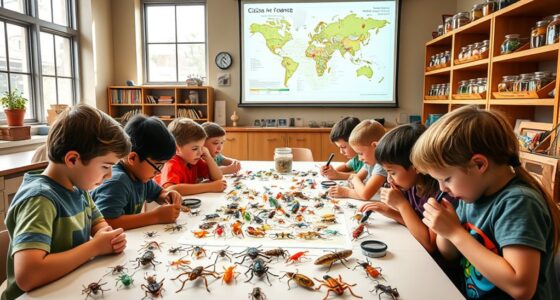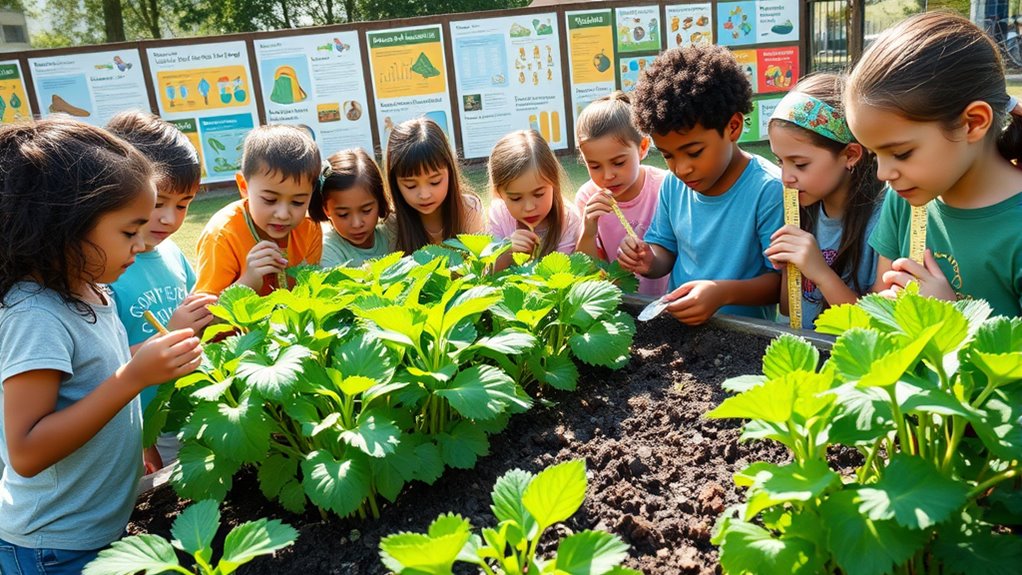

To measure learning outcomes in eco education, focus on evaluating student engagement, environmental literacy, and behavioral changes. Use quizzes, projects, reflective essays, and observations during activities to gauge knowledge and attitudes. Track their involvement in lessons and their willingness to participate, asking questions and collaborating. By evaluating these indicators, you can see how effectively your program fosters understanding and action. Keep exploring these strategies to enhance your eco education efforts even further.

Get garden gear delivered free with Prime
- Fast, free delivery on millions of items
- Prime Video, Amazon Music and more included
- Member-only deals all year
Key Takeaways
- Utilize formative and summative assessments, including quizzes, essays, and projects, to evaluate ecological knowledge and understanding.
- Measure changes in student attitudes and behaviors toward environmental conservation through surveys and reflective activities.
- Observe student engagement indicators such as participation, curiosity, collaboration, and enthusiasm during activities.
- Incorporate self-assessments and peer feedback to gain insights into individual learning progress and perceptions.
- Analyze the development of sustainability plans or local issue solutions as evidence of applied ecological literacy.

Understanding how students learn in eco education is essential for shaping effective programs and fostering environmental stewardship. When you focus on student engagement, you create opportunities for learners to actively participate in environmental activities, which considerably enhances their understanding and retention. Engaged students are more likely to connect with the material on a personal level, making the concepts of sustainability and conservation more meaningful. This active participation also boosts environmental literacy, equipping students with the knowledge, skills, and attitudes necessary to make informed decisions about the environment. By measuring how students engage and progress, you can better tailor your eco education programs to maximize impact.
Focusing on student engagement enhances understanding and retention in eco education.
To gauge student engagement, you should look beyond attendance and consider how involved students are during lessons, field trips, and hands-on activities. Ask yourself whether they are asking questions, collaborating with peers, or demonstrating curiosity about environmental issues. Observing their enthusiasm and willingness to participate can serve as a direct indicator of their engagement levels. When students are actively involved, their learning becomes more experiential and memorable, which is critical for cultivating environmental literacy. The goal is to foster a sense of ownership and responsibility towards the environment, and sustained engagement is key to achieving this.
Measuring environmental literacy involves evaluating whether students have acquired the necessary knowledge about ecological systems, human impacts, and sustainable practices. You can do this through various methods, such as quizzes, reflective essays, or project-based assessments that demonstrate understanding and application of concepts. For example, asking students to develop their own sustainability plans or analyze local environmental issues helps reveal their depth of comprehension. It’s also important to evaluate shifts in attitudes and behaviors—do they show increased concern for conservation or take action in their communities? These indicators reflect how well your program is influencing their worldview and motivating real-world change. Incorporating insights from visionary quotes can also inspire students to see the larger purpose behind their learning and motivate their ongoing engagement.
Regular assessment provides insight into what’s working and what needs adjustment. Use formative assessments during activities to monitor ongoing progress and summative evaluations at the program’s conclusion to measure overall achievement. Incorporating self-assessments and peer feedback can also deepen students’ reflection on their learning journey. Ultimately, by focusing on both engagement and literacy, you ensure your eco education initiatives aren’t just informative but transformative. When you understand how students learn and measure their progress accurately, you can refine your approaches, making environmental education more effective and inspiring lifelong stewardship.
As an affiliate, we earn on qualifying purchases.
Frequently Asked Questions
How Can Eco Education Impact Local Community Engagement?
Eco education enhances your local community engagement by encouraging active community participation in conservation efforts. When you learn about environmental issues, you’re more likely to get involved in local conservation projects, fostering a sense of shared responsibility. This increased engagement strengthens community bonds, raises awareness, and promotes sustainable practices. As a result, eco education creates a ripple effect, empowering your community to protect its natural resources and build a healthier, more resilient environment.
What Are Innovative Tools for Measuring Eco Literacy?
Innovative tools for measuring eco literacy blend tradition with technology, offering engaging ways to assess understanding. Digital badges reward eco achievements, motivating learners and providing visible recognition of their knowledge. Gamified assessments transform learning into interactive challenges, making eco concepts fun and memorable. These tools foster deeper engagement, helping educators accurately track progress while inspiring learners to embrace sustainability actively and confidently.
How to Tailor Eco Education Assessments for Diverse Learners?
To tailor eco education assessments for diverse learners, you should use differentiated assessments that cater to different learning styles and abilities. Incorporate inclusive evaluation methods, such as visual projects, oral presentations, and hands-on activities, ensuring everyone can demonstrate their understanding. Adjust expectations and provide accommodations when necessary. This approach helps you create an equitable environment where all learners can engage meaningfully and showcase their eco literacy effectively.
What Role Do Parents Play in Eco Education Outcomes?
Your parent involvement profoundly influences eco education outcomes by fostering a supportive environment. When you engage in home activities like recycling, gardening, or nature walks, you reinforce eco-friendly values and skills learned at school. This ongoing participation boosts children’s understanding and motivation. By actively participating in these home activities, you help create a consistent message about the importance of sustainability, ensuring your child’s eco education has a lasting, positive impact.
How Can Eco Education Be Integrated Into Existing Curricula?
You can integrate eco education into existing curricula through curriculum integration and interdisciplinary approaches. Start by identifying eco-related themes across subjects like science, geography, and social studies. Incorporate hands-on activities, projects, and real-world examples that connect ecological concepts to other disciplines. Collaborate with teachers to develop seamless lesson plans, making eco education a natural part of students’ learning experience and fostering a deeper understanding of environmental issues.
Conclusion
By now, you realize that measuring learning outcomes in eco-education isn’t just important—it’s the key to transforming the future of our planet. With every lesson you deliver, you’re shaping generations capable of changing the world. Don’t underestimate the power of your efforts; they’re as essential as the air we breathe. Keep tracking progress, because your work fuels a movement that could save Earth itself. The impact you make is truly unstoppable.
Fall Picks
fall essentials
As an affiliate, we earn on qualifying purchases.