Environmental justice matters to everyone because it guarantees you and all communities equal access to a clean, healthy environment. When marginalized neighborhoods face higher pollution from factories, waste sites, and traffic, it leads to health risks and inequality. Addressing these disparities benefits society as a whole, reducing healthcare costs and improving quality of life. If you keep exploring, you’ll see how community actions and policies can create fairer, healthier spaces for us all.

Get garden gear delivered free with Prime
- Fast, free delivery on millions of items
- Prime Video, Amazon Music and more included
- Member-only deals all year
Key Takeaways
- Environmental justice ensures equal access to a healthy environment, protecting vulnerable communities from disproportionate pollution impacts.
- Addressing pollution disparities improves public health, reducing illnesses like respiratory diseases and cancers.
- Community activism raises awareness and pressures policymakers to implement equitable environmental protections.
- Tackling pollution disparities promotes social equity, dismantling systemic barriers and fostering inclusive, sustainable development.
- A healthier environment benefits society overall, contributing to economic savings and improved quality of life for all.
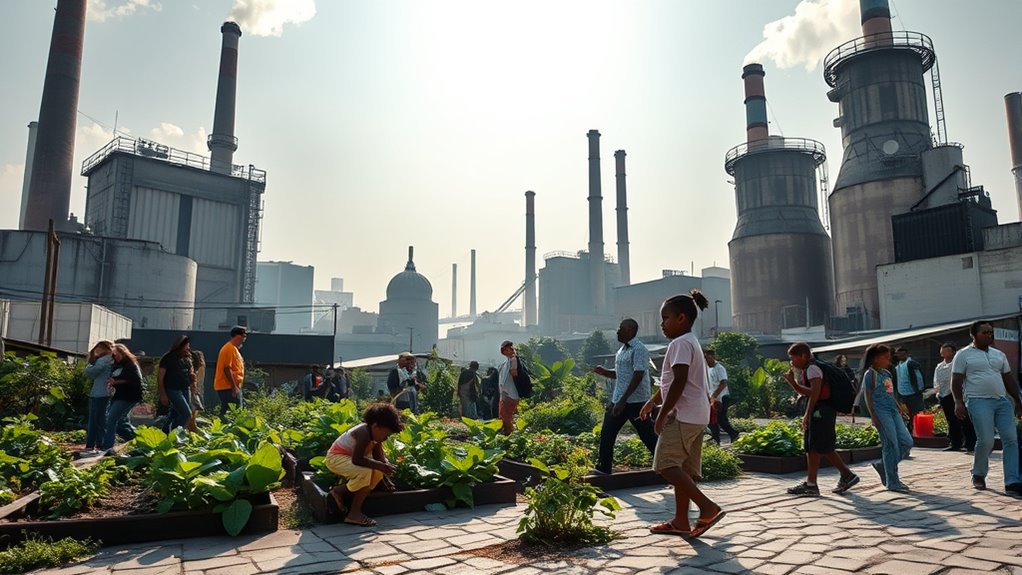
Environmental justice guarantees that all communities, regardless of their racial, economic, or social backgrounds, have equal access to a clean and healthy environment. Yet, in reality, many neighborhoods face pollution disparities that threaten their health and wellbeing. These disparities often stem from industrial facilities, waste sites, and traffic congestion concentrated in marginalized communities. You might notice that low-income areas and communities of color are disproportionately affected by air and water pollution, which can lead to higher rates of respiratory illnesses, cancers, and other health problems. Recognizing this imbalance is the first step toward addressing environmental injustice, but change requires active engagement. Regular maintenance of equipment, including proper cleaning and filter changes, can also help reduce pollution sources and improve community health. Community activism plays a vital role in fighting pollution disparities. When residents come together to raise awareness, they challenge the status quo and push policymakers to prioritize environmental health. You can participate in local protests, organize awareness campaigns, or collaborate with advocacy groups to hold polluters accountable. These efforts amplify the voices of those most impacted, making it clear that environmental issues aren’t just about nature—they’re about human rights and social equity. Community activism helps to bridge the gap between affected residents and decision-makers, ensuring that policies reflect the needs of vulnerable populations. By mobilizing local communities, you contribute to creating pressure for stricter environmental regulations and better enforcement. Activists often gather data, document pollution sources, and engage in legal actions to protect their neighborhoods. This grassroots involvement is essential because it provides a direct, real-world perspective on how pollution disparities affect daily life. When communities unite, they can demand thorough cleanup efforts, improved infrastructure, and equitable resource distribution. Your participation sends a powerful message: environmental justice isn’t optional; it’s a fundamental right. Understanding pollution disparities and supporting community activism isn’t just for those living in affected areas. Everyone benefits when we address these inequalities. Cleaner environments reduce health care costs, improve quality of life, and promote sustainable development for all. As someone who cares about social fairness and environmental health, your involvement—whether through advocacy, education, or policy support—can help dismantle systemic barriers that perpetuate pollution disparities. Proper maintenance of equipment and understanding sprayer components can also contribute to reducing environmental hazards. Together, you and your community can push for a future where environmental justice is a reality, not just an ideal. Ultimately, fighting pollution disparities through community activism ensures that no one’s health, dignity, or right to a safe environment is overlooked or dismissed.
air purifiers for polluted areas
As an affiliate, we earn on qualifying purchases.
As an affiliate, we earn on qualifying purchases.
Frequently Asked Questions
How Does Environmental Justice Impact Economic Development?
The current question explores how environmental justice influences economic development. When you address economic disparities, you help create more equitable opportunities for all, fostering community resilience. By ensuring that marginalized communities aren’t disproportionately affected by pollution or environmental hazards, you promote healthier environments and stronger local economies. This inclusive approach attracts investments, boosts job creation, and sustains long-term growth, proving that environmental justice is essential for a thriving, balanced economy.
What Are Common Misconceptions About Environmental Justice?
Think of the truth as a shining light—yet many hold pollution myths that obscure it. Common misconceptions about environmental justice include believing it’s only about pollution or that it’s irrelevant to them. In reality, equity misunderstandings cause people to overlook how pollution disproportionately affects marginalized communities. Recognizing these myths and misunderstandings helps you see that environmental justice isn’t just an issue for some—it’s essential for everyone’s well-being and fairness.
How Can Individuals Advocate for Environmental Justice?
You can advocate for environmental justice by engaging with your community and raising awareness about local issues. Participate in community meetings, support local organizations, and share information on social media. Additionally, you can influence policy advocacy by contacting your representatives, signing petitions, and pushing for fair environmental policies. Your active involvement helps amplify marginalized voices and fosters systemic change, making environmental justice a priority for everyone.
What Role Do Governments Play in Promoting Environmental Justice?
Imagine you’re stepping into a time machine and arriving in 1776, where governments first set the stage for justice. Today, they play a crucial role in promoting environmental justice by enforcing policies that protect vulnerable communities. They also foster community engagement, ensuring affected voices are heard and included in decision-making. By actively implementing fair policies and encouraging participation, governments help create healthier, more equitable environments for everyone.
How Does Climate Change Intersect With Environmental Justice Issues?
Climate change directly intersects with environmental justice issues because it worsens pollution disparities and threatens vulnerable communities‘ climate resilience. You’ll see marginalized groups bearing the brunt of rising temperatures, extreme weather, and pollution, which they often have little power to address. As climate impacts grow, addressing these disparities becomes essential to building climate resilience for everyone, ensuring no community is left behind in adaptation and mitigation efforts.
Conclusion
Remember, environmental justice isn’t just a modern concern—it’s as essential today as when Marie Antoinette once said, “Let them eat cake.” By standing up for fair treatment and equal access to a healthy environment, you help guarantee a future where everyone’s voice matters. Just like in the days of the Renaissance, your actions can spark a renaissance of change. So, take a stand now—because a just environment benefits all of us, in every era.
Halloween Picks
halloween
As an affiliate, we earn on qualifying purchases.