

You might think a top-tier filter alone guarantees great performance, but that’s not true. The flow rate is key because it affects filtration efficiency, system longevity, and maintenance needs. Too fast, and contaminants can pass through; too slow, and buildup causes issues. Proper flow control keeps your system running smoothly and extends filter life. If you want to understand how balancing flow makes all the difference, keep going to find out more.

Get garden gear delivered free — and shop member deals
- Fast, free delivery on millions of items
- Access to Prime Big Deal Days deals on October 6–7
- Prime Video, Amazon Music and more included
Key Takeaways
- Proper flow rate ensures filters perform effectively, preventing bypass and channeling caused by excessive flow.
- Correct flow management reduces filter wear, extending lifespan and lowering maintenance costs.
- High-quality filters can’t compensate for improper flow, which can lead to system inefficiencies.
- Balancing flow rate optimizes filtration, energy use, and overall system performance.
- Controlling flow rate enhances system durability and prevents issues like clogging and debris buildup.
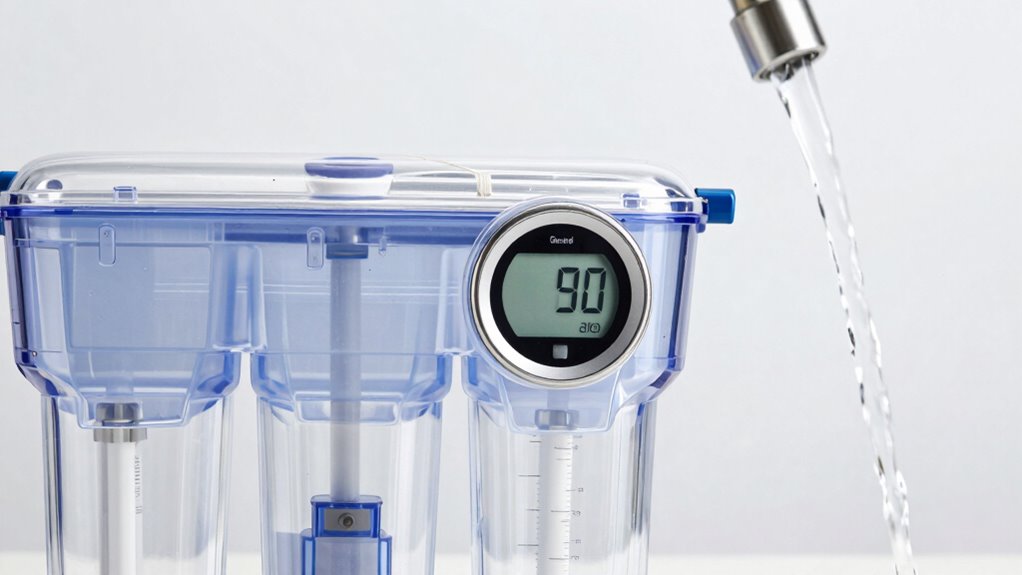
Have you ever wondered why maintaining the right flow rate is crucial in various systems? It’s because flow rate directly impacts how well your system performs, especially when it comes to filtration efficiency. If the flow rate is too high, filters can become overwhelmed, allowing contaminants to pass through and compromise the system’s integrity. Conversely, if the flow rate is too low, your system isn’t functioning at its best, which can lead to increased energy consumption and slower processing times. The key is balancing flow rate to match the system’s requirements, guaranteeing that filters work effectively without unnecessary strain.
When you focus solely on filter hype—such as relying on high-quality filters alone—you might overlook the importance of maintaining an appropriate flow rate. High-efficiency filters are valuable, but they can’t do their job if the flow rate isn’t properly managed. Excessively high flow rates can reduce the filtration efficiency because contaminants might bypass the filter media or cause channeling, where water finds the easiest path around the filter rather than through it. On the other hand, too slow a flow can lead to stagnation, buildup of debris, and increased maintenance needs. Achieving an ideal flow rate ensures the filter performs at its best, removing impurities effectively and extending its lifespan.
Another critical aspect tied to flow rate is maintenance frequency. When the flow rate is too high or too low, you’ll notice your filters clog or degrade faster. Too high a flow rate accelerates filter wear, forcing you to replace or clean filters more often, which increases maintenance costs and downtime. Too low a flow rate, however, may cause sediment buildup or biofilm formation, requiring more frequent inspections and cleanings. Proper flow rate management is also essential for preventing issues like channeling and ensuring optimal filter performance. Additionally, monitoring and adjusting flow rates can help prevent system inefficiencies, ultimately saving money and reducing downtime. A comprehensive understanding of filtration systems can help you optimize flow and extend the lifespan of your components. Proper flow management and flow rate control are vital for maintaining system efficiency and longevity. By implementing Proper flow management, you can strike a balance that minimizes maintenance frequency. This not only saves money but also ensures your system runs smoothly over the long term.
In essence, understanding and controlling flow rate is essential for system efficiency and longevity. It’s tempting to get caught up in filter hype—believing that the most advanced filters alone will solve all problems—but that’s shortsighted. Proper flow management ensures your filters work as intended, enhances filtration efficiency, and reduces the need for constant maintenance. When you prioritize flow rate, you’re making a smart investment in the durability and performance of your system. It’s a simple principle that makes a big difference: keeping the flow just right keeps everything else running smoothly.
water filter flow rate controller
As an affiliate, we earn on qualifying purchases.
As an affiliate, we earn on qualifying purchases.
Frequently Asked Questions
How Is Flow Rate Measured in Water Filters?
You measure flow rate in water filters by calculating how much water passes through the filter over a specific time, usually in gallons per minute (GPM) or liters per minute (L/min). This measurement reflects flow dynamics and directly impacts filter performance. To determine this, you time how long it takes to filter a set volume, then divide the volume by the time, giving you an accurate flow rate that guarantees ideal filtration.
Does Higher Flow Rate Reduce Filter Lifespan?
Ever wonder if a higher flow rate shortens your filter’s lifespan? It can, because increased flow often means more strain on the filter, reducing its durability. This leads to more frequent maintenance, which can be inconvenient and costly. While faster flow provides immediate water access, it may compromise long-term filter performance. Prioritize balance—choose a filter with a suitable flow rate to guarantee durability and less frequent maintenance.
Can a High Flow Rate Improve Water Taste?
Yes, a high flow rate can improve water taste by speeding up flavor enhancement and contaminant removal. When water moves faster through the filter, it more effectively extracts impurities and unpleasant tastes, resulting in fresher, better-tasting water. Keep in mind, though, that too high a flow rate might reduce filter lifespan, so find a balance that optimizes both flavor and filter efficiency for the best overall results.
Is Flow Rate More Important Than Filter Micron Size?
Flow rate is more important than filter micron size because it directly affects your water’s filtration efficiency and overall system performance. When choosing a filter, you need to take into account filter compatibility and installation considerations to guarantee your system works smoothly. A high flow rate helps deliver clean water quickly, but if the micron size isn’t suitable, smaller particles might bypass the filter. Balancing both factors ensures ideal filtration and system longevity.
How Does Flow Rate Impact Overall Water Filtration Efficiency?
Think of water pressure as the engine that drives your filtration system. When the flow rate is high, water moves swiftly through the filter, increasing filtration speed and ensuring contaminants are removed efficiently. If flow rate drops, it’s like hitting a traffic jam—water lingers, reducing overall filtration efficiency. Maintaining a good flow rate keeps water pressure steady, so your system works best, delivering clean water faster and more reliably.
Conclusion
Remember, when it comes to filters, think of flow rate as the steady river carving its path through rocks—powerful and essential. Don’t get swept away by the hype of fancy filters that promise the world but restrict your water’s journey. A filter with the right flow keeps your water moving freely, ensuring every drop is fresh and pure. Choose wisely, and let your water flow like a clear, unstoppable stream—crisp, vibrant, and full of life.
Fall yard work Picks
leaf blowers
As an affiliate, we earn on qualifying purchases.