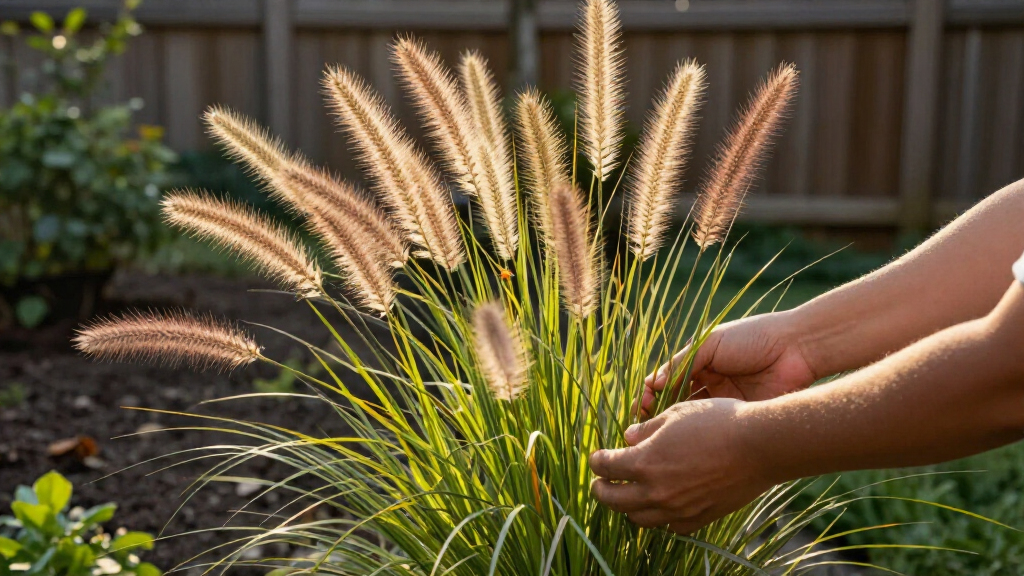

The best ornamental grasses depend on the space you have and the look you want: Karl Foerster Feather Reed Grass is my best overall pick for an upright, structured accent, while Blue Fescue suits compact borders and Pink Muhly brings showy seasonal color. The lineup also includes seeds and live plants, so buyers can trade faster visual impact for more growing time and uncertainty. Height, spread, climate fit, and self-seeding habits matter as much as appearance, especially with large grasses such as Miscanthus and Pampas. I ranked these options by their likely usefulness, planting format, and distinct garden role, with practical drawbacks included. Continue reading for the full breakdown and help matching a grass to your garden.

Get garden gear delivered free — and shop member deals
- Fast, free delivery on millions of items
- Access to Prime Big Deal Days deals on October 6–7
- Prime Video, Amazon Music and more included
Complete the kit


Key Takeaways
- Karl Foerster Feather Reed Grass leads for a defined vertical accent because its upright form is easier to place in a mixed border than the much larger Giant Miscanthus.
- Blue Fescue plants offer the clearest compact option in the lineup; the seed listing may suit patient growers, but takes more time to establish a similar border effect.
- Pink Muhly appears in three live-plant listings, making it the strongest recurring choice for airy seasonal color, though plugs and small cubes need time to fill out.
- Fountain Grass choices trade color for climate fit: red-purple and black forms add dramatic foliage, but their suitability depends on local winter conditions.
- Pampas and Miscanthus promise the largest scale, while seeds for Pampas, Mexican Feather Grass, and Purple Love Grass require more patience and may not produce a uniform planting.
| Giant Miscanthus Ornamental Grass, 2 Plants in 3-Inch Pots | 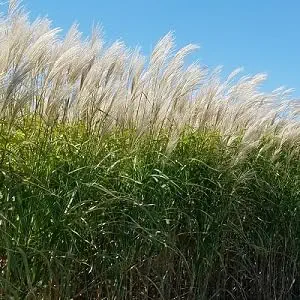 | Best for Privacy Screening | Plant count: 2 | Pot size: 3 inches | Mature height: 10–12 feet | VIEW LATEST PRICE | See Our Full Breakdown |
| Red Purple Fountain Grass Live Plants, 3 Clumps, 4–8 Inches |  | Best Color Statement | Quantity: 3 clumps | Plant size on arrival: 4–8 inches | Foliage color: Multicolor | VIEW LATEST PRICE | See Our Full Breakdown |
| Karl Foerster Feather Reed Grass Live Plant, 1-Gallon Grower Pot |  | Best Overall Structure | Scientific name: Calamagrostis × acutiflora ‘Karl Foerster’ | Plant type: Perennial, cool-season ornamental grass | Height: 5 feet | VIEW LATEST PRICE | See Our Full Breakdown |
| Pink Muhly Grass Live Plant Plug |  | Best Native Pollinator Pick | Plant type: Native perennial ornamental grass | Plant form: Starter plug | Bloom color: Pink | VIEW LATEST PRICE | See Our Full Breakdown |
| Clovers Garden Blue Fescue (Festuca Elijah Blue), 2 Live Plants in 4-Inch Pots |  | Best Compact Edging Choice | Plant variety: Blue Fescue (Festuca Elijah Blue) | Quantity: 2 live plants | Plant height: 4–8 inches | VIEW LATEST PRICE | See Our Full Breakdown |
| Outsidepride Mexican Feather Grass Seeds, 1,000 Count |  | Best Seed Value for Texture Lovers | Seed count: 1,000 | Botanical name: Stipa tenuissima | Expected height: 16 inches | VIEW LATEST PRICE | See Our Full Breakdown |
| Red Fountain Grass Live Starter Plants, Pack of 2, 5–9 Inches Tall |  | Best for Bold Color | Quantity: 2 bare-root starter plants | Scientific name: Pennisetum setaceum ‘Rubrum’ | Starter height: 5–9 inches | VIEW LATEST PRICE | See Our Full Breakdown |
| White Ornamental Pampas Grass (Cortaderia selloana), 2 Live Plants |  | Best for Privacy and Height | Quantity: 2 live plants | Botanical name: Cortaderia selloana | Ship size: 10 in tall by 5 in wide in 1.5 qt pots | VIEW LATEST PRICE | See Our Full Breakdown |
| Outsidepride Purple Love Grass Seeds, 500 Count |  | Best for Pollinator and Native Gardens | Scientific name: Eragrostis spectabilis | Seed count: 500 | Expected height: 20 inches | VIEW LATEST PRICE | See Our Full Breakdown |
| Black Fountain Grass Live Plants, 2-Pack, 4–8 Inches Tall |  | Best Low-Maintenance Accent | Quantity: 2 live plants | Plant height at arrival: Approximately 4–8 inches | Sunlight: Full sun | VIEW LATEST PRICE | See Our Full Breakdown |
| Pink Muhly Grass Live Plant (4-8 Inch Tall) |  | Best Starter Plant for Seasonal Color | Brand: GINGERGLOW | Plant Height: 4-8 inches | Sunlight Exposure: Full Sun | VIEW LATEST PRICE | See Our Full Breakdown |
| 50+ Blue Fescue Ornamental Grass Seeds |  | Best Budget Pick for Large Coverage | Plant Type: Perennial ornamental grass | Seed Count: 50+ | Plant Height: 10-12 inches | VIEW LATEST PRICE | See Our Full Breakdown |
| Pink Muhly Grass (Muhlenbergia capillaris) – 3 Live Plants in 2.5″ Cubes |  | Best Overall | Botanical Name: Muhlenbergia capillaris | Quantity: 3 plants | Pot Size: 2.5-inch cubes | VIEW LATEST PRICE | See Our Full Breakdown |
| 1000+ Mixed Pampas Grass Seeds (Cortaderia Selloana) |  | Best for Screening and Large Landscapes | Seed Count: 1000+ | Plant Height: Up to 12 feet | Blooming Period: Spring, Winter | VIEW LATEST PRICE | See Our Full Breakdown |
| 2 Big Blue Liriope Grass Plants Live, 4-8″ Tall (No Pot) |  | Best for Shade and Edging | Brand: GINGERGLOW | Quantity: 2 plants | Height: 4-8 inches | VIEW LATEST PRICE | See Our Full Breakdown |
More Details on Our Top Picks
Giant Miscanthus Ornamental Grass, 2 Plants in 3-Inch Pots
If the goal is a living privacy fence, nothing else in this lineup competes on height. Giant Miscanthus reaches 10–12 feet at maturity, dwarfing the Karl Foerster Feather Reed Grass (about 5 feet) and making even pampas grass look like a mid-sized alternative. The payoff is real: golden-bronze fall color and fluffy plumes that persist into winter mean the screen stays attractive year-round, not just during summer. The tradeoff is patience and space. These arrive as small 3-inch pots, so the privacy effect takes a couple of seasons to materialize, and each clump needs roughly 3 feet of spread. Compared with the Pink Muhly Grass plug, which stays under 4 feet, this is a commitment plant — mature roots grow dense and are genuinely difficult to remove if you change your layout later.
Pros:- Grows into a 10–12 foot natural privacy screen
- Drought-tolerant and deer-resistant once established
- Golden-bronze fall foliage and winter plumes extend seasonal interest
- Hardy across a wide range of zones (5–9)
Cons:- Needs considerable room to reach mature size
- Dense mature roots are difficult to dig up if removed
- Small 3-inch starter pots mean a multi-year wait for full screening effect
Best for: Homeowners who want a tall, natural privacy screen along a fence line or property edge and have room to let it mature
Not ideal for: Small gardens or container gardeners — mature clumps need several feet of space and the root systems become hard to dig out
- Plant count:2
- Pot size:3 inches
- Mature height:10–12 feet
- Spread:3 feet
- Sun exposure:Full sun
- Hardiness zones:5–9
- Blooming period:Fall
- Drought-tolerant:Yes
- Deer-resistant:Yes
Our verdict“Buy this if privacy is the primary goal and you have the square footage to let a 10-foot grass mature.”
Red Purple Fountain Grass Live Plants, 3 Clumps, 4–8 Inches
For pure visual drama, this is the pick that earns its spot. The multicolor red-purple foliage delivers color from the moment it fills out, unlike the Karl Foerster grass, which is mostly green until its golden plumes appear, or the Blue Fescue, which offers a quieter silvery tone. At 3–5 feet tall, it works as a mid-border anchor and holds its own in containers. The catch is geography: this grass is only perennial in Zones 9–11. Gardeners in cooler regions are effectively buying a beautiful annual and replanting each spring, which adds cost over time compared with truly hardy options like Pink Muhly Grass (Zones 6–10). Full sun is non-negotiable too — six-plus hours daily keeps the foliage color intense.
Pros:- Striking multicolor red-purple foliage from early in the season
- Substantial 3–5 foot mature height for borders and containers
- Three clumps per order for better value per plant
- Thrives in hot, full-sun conditions
Cons:- Perennial only in USDA Zones 9–11
- Must be replanted annually in cooler climates
- Requires 6+ hours of direct sun to maintain color
Best for: Southern-climate gardeners or anyone wanting bold, colorful foliage in containers and sunny borders for a single dramatic season
Not ideal for: Northern gardeners wanting a permanent planting — it dies off in winter outside Zones 9–11 and must be treated as an annual
- Quantity:3 clumps
- Plant size on arrival:4–8 inches
- Foliage color:Multicolor
- Hardiness zones:USDA Zones 9–11
- Light requirements:Full sun, 6+ hours daily
- Mature height:3–5 feet
- Mature spread:2–4 feet
- Soil needs:Well-drained soil
Our verdict“Choose this for maximum foliage color if you live in a warm zone or accept treating it as an annual.”
Karl Foerster Feather Reed Grass Live Plant, 1-Gallon Grower Pot
This option stands out for reliability across climates. Hardy in Zones 4–8, it survives winters that kill the Red Purple Fountain Grass outright and handles heavy clay soil that stunts fussier grasses like Blue Fescue, which prefers sandy conditions. The upright, clumping habit reaches about 5 feet — tall enough for structure without the spatial commitment of Giant Miscanthus. Its wheat-like golden plumes persist into fall and winter, giving it one of the longest seasons of interest in this lineup. It also arrives in a 1-gallon pot, a more established start than the 3-inch pots and starter plugs elsewhere here, so the visual impact lands faster. The main limitation is flexibility: it genuinely wants full sun, and it offers none of the foliage color that makes fountain grass or Pink Muhly so eye-catching.
Pros:- Very cold-hardy (Zones 4–8) for a tall ornamental grass
- Tolerates heavy clay soil where most ornamental grasses struggle
- Golden plumes persist into fall and winter
- Arrives as an established 1-gallon plant rather than a small plug
Cons:- Requires full sun for best performance
- Plain green foliage offers no off-season color before plumes emerge
Best for: Gardeners in cold climates or clay-heavy soil who want a tall, low-fuss structural grass with year-round plume interest
Not ideal for: Shady yards or gardeners seeking colorful foliage — it needs full sun and stays green until the plumes turn gold
- Scientific name:Calamagrostis × acutiflora ‘Karl Foerster’
- Plant type:Perennial, cool-season ornamental grass
- Height:5 feet
- Width:2 feet
- Growth habit:Upright, clumping
- Sunlight:Full sun
- Hardiness zones:4–8
- Pot size:1 gallon
Our verdict“This pick makes the most sense for northern gardeners who want dependable height and winter interest without soil amendments.”
Pink Muhly Grass Live Plant Plug
Pink Muhly Grass does something no other entry here manages: it produces airy pink plume clouds in late summer and fall while also being a native plant that supports beneficial insects. That makes it the clear choice for ecological gardeners, compared with the non-native Red Purple Fountain Grass, which offers color but no pollinator benefit. The mid-size frame — 2–4 feet tall and wide — sits comfortably between the low Blue Fescue and the towering Giant Miscanthus, fitting borders and mass plantings alike. Once established, it handles drought and heat with little fuss. Be aware it arrives as a single starter plug, the smallest format in this batch, so the famous pink display takes a season or two to build. Like most grasses here, it insists on full sun and well-drained soil.
Pros:- Native and pollinator-friendly, supporting beneficial insects
- Airy pink plumes create standout fall color
- Drought- and heat-tolerant once established
- Manageable 2–4 foot size suits borders and mass plantings
Cons:- Starter plug is small and slow to establish
- Needs full sun and well-drained soil to thrive
Best for: Pollinator-minded gardeners in Zones 6–10 who want low-maintenance native plants with a spectacular pink fall display
Not ideal for: Gardeners wanting instant impact — a single starter plug needs a season or two before the pink plumes put on a full show
- Plant type:Native perennial ornamental grass
- Plant form:Starter plug
- Bloom color:Pink
- Blooming period:Late summer to fall
- Sunlight exposure:Full sun
- Height:2–4 ft.
- Width:2–4 ft.
- USDA hardiness zones:6–10
- Drought tolerance:Once established
Our verdict“The right choice for eco-focused gardeners willing to wait a season for a native grass with a pink fall payoff.”
Clovers Garden Blue Fescue (Festuca Elijah Blue), 2 Live Plants in 4-Inch Pots
Blue Fescue occupies the opposite end of the size spectrum from Giant Miscanthus, and that’s exactly its strength. At 4–8 inches tall with a low clumping habit, it’s the only entry here suited to edging, rock gardens, and container accents without overwhelming the design. The silvery blue-green foliage provides a cool color contrast to the Pink Muhly’s warm plumes or the Karl Foerster’s gold, making it a natural companion plant in mixed borders. With an enormous hardiness range of Zones 4–11, it outlasts nearly every other grass in this lineup geographically. The tradeoff is maintenance and moisture: unlike the drought-set-and-forget options here, Blue Fescue wants regular watering and an annual trim to about 2 inches each spring to prevent a ragged, thatched look.
Pros:- Silvery blue-green foliage offers unique cool-toned color
- Extremely compact size suits edging, containers, and rock gardens
- Hardy across a huge range (Zones 4–11)
- Two established 4-inch plants per order
Cons:- Requires regular watering, unlike more drought-tolerant picks
- Needs annual trimming to 2 inches to stay tidy
- Too small to serve as screening or focal-point planting
Best for: Gardeners and container growers who want a small, colorful edging or rock-garden grass that survives nearly every climate
Not ideal for: Anyone seeking height or a no-maintenance plant — it stays under a foot tall and needs regular watering plus annual trimming
- Plant variety:Blue Fescue (Festuca Elijah Blue)
- Quantity:2 live plants
- Plant height:4–8 inches
- Pot size:4 inches
- Growth habit:Low-growing, clumping
- USDA hardiness zones:4–11
- Sun exposure:Full sun
- Soil type:Sandy
- Care:Trim to about 2 inches before new spring growth
Our verdict“Pick this for compact, colorful structure in containers and borders — skip it if you want height or zero upkeep.”
Outsidepride Mexican Feather Grass Seeds, 1,000 Count
Mexican feather grass delivers the softest, most movement-rich texture in this entire roundup, and a 1,000-count seed packet lets you mass-plant drifts for the price of a single live plant like the Karl Foerster Feather Reed Grass. The fine, flexible blades catch every breeze, and the green-to-gold plume shift gives a long season of changing color. Compared with the Purple Love Grass seeds, germination is a touch more forgiving on moisture, but you still need patient, consistent watering for those first three weeks. The tradeoff is zone range: buyers in USDA zones 5 and colder are out of luck, and starting from seed means waiting a full season for the mature mounding effect that live plants like the Black Fountain Grass deliver immediately.
Pros:- 1,000 seeds cover large drifts at far lower cost than live plants
- Fine foliage moves beautifully in the slightest breeze
- Drought tolerant once established, needing little to no watering
- Works equally well in containers and garden beds
Cons:- Limited to USDA zones 6–10
- Seeds need consistent moisture until germination, which takes around 21 days
Best for: Warm-climate gardeners in zones 6–10 who want to fill large beds or containers cheaply with fine, flowing texture
Not ideal for: Gardeners in zones 5 or colder, or anyone who wants instant impact without a 21-day germination wait
- Seed count:1,000
- Botanical name:Stipa tenuissima
- Expected height:16 inches
- USDA hardiness zones:6–10
- Sunlight:Full sun
- Germination time:Usually within 21 days at 68–72°F
- Spacing:12 inches
- Water needs:Little to no watering once established
Our verdict“This is the pick for patient, warm-zone gardeners who want sweeping drifts of airy gold-green texture without paying live-plant prices.”
Red Fountain Grass Live Starter Plants, Pack of 2, 5–9 Inches Tall
If color is the goal, nothing else in this lineup competes with the burgundy foliage and rose plumes of this fountain grass. Where the Black Fountain Grass 2-pack offers subtle dark contrast, this variety goes fully saturated, pairing deep red blades with soft pink flower spikes that read dramatically against green companions like Blue Fescue. At 3–4 feet at maturity, it fills a container or border midpoint without the 6–10-foot commitment of White Pampas Grass. The honest tradeoff is climate: it’s perennial only in zones 9–11, so most buyers are replanting annually, and bare-root starters demand daily watering the first week or they stall. Think of it as a tender annual with tropical punch rather than a permanent structure plant.
Pros:- Dramatic burgundy foliage with rose-colored plumes
- Thrives in both patio containers and garden beds
- Drought-tolerant once established
- Deer-resistant
Cons:- Requires daily watering during the first week after planting
- Perennial only in zones 9–11; grown as an annual elsewhere
Best for: Gardeners who want vivid red-pink color in sunny containers or borders and accept replanting in cooler zones
Not ideal for: Cold-climate buyers wanting a permanent perennial — it survives winter only in zones 9–11
- Quantity:2 bare-root starter plants
- Scientific name:Pennisetum setaceum ‘Rubrum’
- Starter height:5–9 inches
- Mature height:3–4 feet
- Sun exposure:Full sun, at least 6 hours
- Hardiness:Perennial zones 9–11; annual zones 3–8
Our verdict“The strongest color statement in the roundup, provided you can give it full sun and accept annual replanting outside zones 9–11.”
White Ornamental Pampas Grass (Cortaderia selloana), 2 Live Plants
When the job is screening, this is the only real contender here. At a mature 6–10 feet tall, White Pampas builds a living privacy wall that the 3–4-foot Red Fountain Grass or 20-inch Purple Love Grass simply cannot match. The feathery cream plumes arrive in late summer and double as cut material for fresh or dried arrangements — a versatility no other pick in this roundup offers. You’re buying live plants in 1.5-quart pots, so establishment is faster than starting Mixed Pampas Grass seeds, but the size that makes it useful also makes it a liability. In small yards it overwhelms neighbors, and it demands full sun plus sharp drainage; shade or soggy soil will kill the investment quickly.
Pros:- Reaches 6–10 feet for genuine privacy screening
- Feathery cream plumes work in fresh or dried arrangements
- Drought-tolerant once established
- Arrives as established live plants rather than seed
Cons:- Requires full sun and well-drained soil to thrive
- Mature size up to 10 feet is unmanageable in compact spaces
Best for: Homeowners with large, sunny yards who want a tall living screen or dramatic backdrop plus cuttable plumes
Not ideal for: Small gardens or container-only spaces — a 10-foot grass will quickly dominate
- Quantity:2 live plants
- Botanical name:Cortaderia selloana
- Ship size:10 in tall by 5 in wide in 1.5 qt pots
- Mature height:6–10 feet
- Bloom season:Summer and fall
- Sun exposure:Full sun
- USDA hardiness zones:7–11
Our verdict“The clear choice for big, sunny properties needing height, screening, and harvestable plumes — and a poor fit anywhere space is tight.”
Outsidepride Purple Love Grass Seeds, 500 Count
Purple Love Grass is the only native in this batch, and that changes who it’s for. It blooms rosy purple in late summer, fades to bronze foliage in fall, and does double duty as habitat — attracting butterflies and sheltering ground birds, something purely ornamental options like White Pampas Grass never do. Unlike fussier picks, it actively prefers sandy, low-fertility soil, making it the fallback for poor-soil lots where Blue Fescue or fountain grasses would struggle. The tradeoffs mirror the Mexican Feather Grass seeds: a roughly 21-day germination window and a hard requirement for full sun. It also spreads slowly by rhizomes and self-seeds — a feature in a meadow, a maintenance chore in a formal border, so plant it where it can roam.
Pros:- Native to the eastern and midwestern US with real pollinator value
- Thrives in sandy, low-fertility soils where other grasses fail
- Rosy purple summer blooms give way to bronze fall foliage
- Cold-hardy through zone 5, wider range than Mexican Feather Grass
Cons:- Germination takes around 21 days with steady conditions
- Self-seeding and rhizome spread need management in tidy gardens
Best for: Native-plant and pollinator gardeners, especially those with sandy or infertile soil in zones 5–10
Not ideal for: Formal, tightly edged borders — rhizome spread and self-seeding will require ongoing editing
- Scientific name:Eragrostis spectabilis
- Seed count:500
- Expected height:20 inches
- USDA hardiness zones:5–10
- Bloom color:Purple
- Germination time:Usually 21 days at 68–72°F
- Soil:Loam; tolerates sandy, infertile soil
- Spread:Slowly by rhizomes; also self-seeds
Our verdict“The meadow-gardener’s pick: cold-hardy, pollinator-friendly, and happiest in lean soil where showier grasses give up.”
Black Fountain Grass Live Plants, 2-Pack, 4–8 Inches Tall
This 2-pack earns its spot as the easiest entry into dark-foliage contrast without the climate gamble of the Red Fountain Grass. The arching near-black blades anchor a border or mixed planter the way a shadow does, making brighter neighbors like Pink Muhly Grass or Blue Fescue pop. Growing needs are about as light as ornamental grasses get — full sun, well-drained soil, and only light to moderate watering — so it suits gardeners who found the daily first-week watering of the red fountain grass too demanding. Be realistic about the timeline: plants arrive around 4 inches tall, and the brush-like flower spikes only appear as the plant matures, so the first season reads as foliage-only. It’s an accent, not a screen; expect texture, not the structure of Karl Foerster.
Pros:- Dark arching foliage provides strong contrast with green and silver plants
- Very low watering and care requirements
- Versatile in beds, borders, and outdoor planters
- Soft brush-like flower spikes add late-season interest
Cons:- Requires a sunny location to develop strong color
- Flower spikes appear only as the plant matures, not on arrival
Best for: Busy gardeners who want set-and-forget dark foliage accents in sunny borders or planters
Not ideal for: Anyone expecting immediate height or first-season flowers from a 4-inch starter plant
- Quantity:2 live plants
- Plant height at arrival:Approximately 4–8 inches
- Sunlight:Full sun
- Soil:Well-drained
- Watering:Light to moderate
- Uses:Garden beds, borders, outdoor planters
Our verdict“A low-effort foliage accent for sun-filled borders — buy it for the dark texture, not for fast flowers or height.”
Pink Muhly Grass Live Plant (4-8 Inch Tall)
For buyers chasing that soft pink cloud effect without committing to a multi-pack, this single live Pink Muhly plant is a sensible entry point. Compared with the 3 Live Plants in 2.5″ Cubes elsewhere in this roundup, you give up quantity and a guarantee, but you get the same species at a lower barrier to entry — a smart way to test whether Muhly grass suits your landscape before buying in bulk. The tradeoff is patience: at 4-8 inches tall, this is a young starter that will need a season or two before it delivers its signature autumn plumes. Unlike the Blue Fescue seeds, which demand germination skills, this arrives as a live plant ready to go in the ground, making it far more forgiving for impatient gardeners.
Pros:- Low maintenance once established
- Signature airy pink, cloud-like seasonal blooms
- Adapts to a variety of soil conditions
- Works in borders, planters, and mass plantings
Cons:- Small 4-8 inch starter size requires a season or more to mature
- Single plant offers less coverage than the 3-pack alternative
Best for: Gardeners who want to trial Pink Muhly grass in one spot before committing to a mass planting
Not ideal for: Anyone wanting immediate impact or full-grown autumn plumes this season — the small starter size needs time
- Brand:GINGERGLOW
- Plant Height:4-8 inches
- Sunlight Exposure:Full Sun
- Blooming Period:Spring to Summer
- USDA Hardiness Zone:5-9
- Moisture Needs:Regular Watering
- Plant Type:Perennial Ornamental Grass
Our verdict“A low-commitment way to sample Pink Muhly grass, as long as you can wait out the grow-in period.”
50+ Blue Fescue Ornamental Grass Seeds
Seed packets remain the cheapest path to mass planting coverage, and 50+ Blue Fescue seeds can fill far more border space per dollar than any live plant option here. Compared with the Clovers Garden Blue Fescue live plants, you sacrifice the instant gratification of rooted plugs but gain winter interest — this fescue stays green through cold months, which most grasses in this lineup, including Pink Muhly, cannot claim. Germination is the real hurdle: expect uneven results and a long runway before the tidy 10-12 inch mounds appear. The unusual tolerance for both full sun and full shade gives it flexibility that fussier picks like the Red Purple Fountain Grass can’t match. Just plan for an annual early-spring cutback or the clumps will look ragged by year two.
Pros:- Drought tolerant once established
- Grows in full sun or full shade
- Low maintenance
- Evergreen through winter in zones 4-9
Cons:- Requires annual cutting back in early spring
- Slow and uneven from seed compared with live plants
Best for: Patient gardeners filling long borders or slopes on a tight budget
Not ideal for: Anyone who wants instant structure — seeds mean months of waiting and unpredictable germination rates
- Plant Type:Perennial ornamental grass
- Seed Count:50+
- Plant Height:10-12 inches
- Sunlight Exposure:Full sun or full shade
- USDA Hardiness Zones:4-9
- Colors:Blue, green
- Planting Period:Spring
- Brand:Cheryl’s Unique Flower Seeds
Our verdict“The most economical route to evergreen ground coverage, provided you’re comfortable growing from seed.”
Pink Muhly Grass (Muhlenbergia capillaris) – 3 Live Plants in 2.5″ Cubes
This three-pack earns the top spot because it balances impact, resilience, and buyer protection better than anything else in the lineup. Where the single Pink Muhly live plant suits a trial run, three well-rooted cubes let you achieve the mass planting effect that makes Muhly’s cotton-candy autumn plumes genuinely dramatic. Compared with the Mixed Pampas Grass seeds, you skip the germination gamble and still get deer resistance and drought tolerance — traits Pampas can’t offer in most suburban settings. The 30-day replacement guarantee from a US nursery adds a safety net that no seed packet or bare-root option here matches. The honest tradeoff: plumes appear in autumn on 4-5 foot stalks, so spring and summer plantings look unremarkable for months, and buyers in AK, HI, and PR can’t order it at all.
Pros:- Drought-tolerant and deer-resistant with minimal care
- Striking cotton-candy pink plumes reach 4-5 ft in autumn
- Well-rooted starter plants arrive ready to plant
- Backed by a 30-day replacement or refund guarantee
Cons:- Natural variation in size, color, and seasonal appearance
- No shipping to Alaska, Hawaii, or Puerto Rico
Best for: Homeowners creating a show-stopping autumn display with mass plantings along borders or open beds
Not ideal for: Gardeners in Alaska, Hawaii, or Puerto Rico, or anyone who wants visual impact before fall
- Botanical Name:Muhlenbergia capillaris
- Quantity:3 plants
- Pot Size:2.5-inch cubes
- USDA Hardiness Zones:5-11
- Plant Height:2-3 ft mounds; plumes 4-5 ft
- Bloom Season:Autumn
- Sun Exposure:Full sun
- Special Features:Drought-tolerant, deer-resistant, non-toxic
- Origin:Grown in USA
Our verdict“The strongest all-around pick for a dramatic, low-effort autumn landscape — buy three and plant them together.”
1000+ Mixed Pampas Grass Seeds (Cortaderia Selloana)
When the job is blocking a view or buffering wind, nothing else in this roundup competes with Pampas grass at 8-12 feet tall. The Karl Foerster Feather Reed Grass is far more refined for a mixed border, and the Blue Fescue seeds cap out around a foot — but neither forms the towering feathery wall this heirloom mix produces. With 1000+ seeds in five colors, the per-plant economics are unmatched for large properties. The tradeoffs are real: establishing from seed takes time, full sun is mandatory, and the sharp-edged foliage makes it a poor choice near walkways or where kids and pets play. Gardeners in warm regions should also confirm local regulations, as Cortaderia selloana is invasive in parts of the southern US. Shear it back each winter for clean regrowth.
Pros:- Fast growth to 8-12 ft for screening and wind protection
- Over 1000 seeds across five mixed colors
- Grows in most soils with low maintenance
- Heirloom seed type
Cons:- Requires full sun and takes time to establish from seed
- Sharp foliage and invasive potential make it unsuitable for small or managed landscapes
Best for: Rural or large-property owners who need fast, tall screening or wind protection on a budget
Not ideal for: Suburban yards near walkways, or regions where Pampas grass is flagged as invasive
- Seed Count:1000+
- Plant Height:Up to 12 feet
- Blooming Period:Spring, Winter
- Planting Period:Spring
- Sunlight Exposure:Full Sun
- Moisture Needs:Moderate Watering
- Seed Type:Heirloom
- Color:Mixed (blue, white, pink, red, yellow)
Our verdict“A workhorse for big properties needing privacy fast — just verify it’s welcome in your region before sowing.”
2 Big Blue Liriope Grass Plants Live, 4-8″ Tall (No Pot)
Most ornamental grasses here demand sun, which makes Big Blue Liriope the lineup’s problem-solver for shaded spots — it thrives in full sun or partial shade where Pink Muhly and Pampas would struggle. Its dense, arching evergreen blue-green foliage also delivers year-round structure, something even the winter-green Blue Fescue can’t match in colder zones. Compared with the Black Fountain Grass 2-Pack, Liriope trades flashy plumes for reliability as an edging and ground-cover workhorse along paths and foundations. Note the shipping format: these arrive bare-root without pots, so you’ll need prepared planting sites ready the day they land. At 4-8 inches, expect a full season before the clumps knit into a proper border line.
Pros:- Tolerates full sun to partial shade across zones 5-10
- Evergreen blue-green foliage provides year-round interest
- Extremely low maintenance, beginner-friendly
- Versatile for borders, edging, ground cover, and containers
Cons:- Shipped bare-root without pots, requiring immediate transplanting
- Small 4-8 inch plants take a season to fill in
Best for: Beginners and shade-garden owners who need tough evergreen edging along paths and foundations
Not ideal for: Gardeners seeking bold color or plumes — Liriope is all about structure, and bare-roots need immediate planting
- Brand:GINGERGLOW
- Quantity:2 plants
- Height:4-8 inches
- Sunlight Exposure:Full Sun to Partial Shade
- USDA Hardiness Zone:5-10
- Blooming Period:Spring to Summer
- Moisture Needs:Regular Watering
- Plant Type:Perennial Ornamental Grass
Our verdict“The dependable pick for shaded borders and clean landscape lines — just have your planting holes dug before it arrives.”
How We Picked
I ranked these 15 options by how clearly each can serve a practical garden role: upright structure, compact edging, seasonal color, ground coverage, or large-scale screening. I weighed the stated plant format and starting size because an established plant generally gives a faster visual result than seed, while seeds can make sense for broad coverage when the buyer has time and patience. I also considered likely mature scale, maintenance demands, climate sensitivity, and how easy it is to place the grass in a typical landscape.
The ranking favors useful balance over the biggest claim or most dramatic color. Karl Foerster sits at the top as a versatile structural pick; compact Blue Fescue and flowering Pink Muhly rank well for more specific needs. Large Miscanthus and Pampas remain options for buyers with room, while several seed listings rank lower for buyers seeking dependable near-term impact. Product listings do not provide enough detail to confirm local hardiness, mature dimensions, or germination outcomes, so buyers should verify those details for their site before planting.
Factors to Consider When Choosing Best Ornamental Grasses
Choosing ornamental grass starts with the planting site and the job the plant needs to do. These broader checks can prevent a good-looking listing from becoming an awkward fit once the grass matures.
Match Mature Size to the Space, Not the Pot
A small starter plant can become a large clump, so plan around mature height and spread rather than the dimensions shown in a listing photo. Tall grasses can screen a view or anchor the back of a border, but they may shade shorter plants and crowd paths. Compact grasses are easier to place along edges, in small beds, or in containers, though they offer less privacy and visual mass. Check whether the plant spreads by clumping or can self-seed, since those habits affect future maintenance. Leave access around large clumps for pruning and division. When mature dimensions are missing, treat the purchase as a research step and confirm the cultivar details before planting.
Choose Seeds or Live Plants Based on Your Timeline
Seeds can cover a broad area economically, but they ask for more time and careful early care before the garden looks established. Germination rates, sowing depth, temperature, and seed freshness all affect the result, and a seed count does not tell you how many plants will thrive. Live plugs and small pots offer a head start, though they may still need a season or more to reach their mature form. Larger nursery plants can give faster structure but may need more careful transplanting and watering as they settle in. Decide whether you need a finished-looking border this season or can build it gradually. Avoid sowing a whole bed before checking how the species behaves in your climate.
Check Winter Hardiness and Local Growing Conditions
Ornamental grasses vary in their tolerance for cold, heat, humidity, and wet soil. Some colorful fountain grasses are treated as annuals in colder regions, while other grasses may return reliably where winters suit them. Pampas and other vigorous species can also behave differently across climates, including spreading beyond the intended bed. Look up the botanical name and cultivar, then compare hardiness guidance from a regional extension service or local nursery. Drainage matters too: a plant that tolerates summer heat may still struggle in waterlogged winter soil. If your garden sits near a boundary or natural area, check local restrictions and invasive-species guidance before planting.
Plan for Seasonal Appearance and Cleanup
Some grasses earn their place through colorful foliage, while others are chosen for flower plumes that appear later in the season. Ask when the plant reaches its best display and how long that display lasts, so a border does not depend on one short window of color. Many deciduous grasses need cutting back in late winter or early spring, and large clumps can take real effort to prune. Evergreen or semi-evergreen forms may need tidying instead of a full annual cutback. Dried foliage can add winter texture, but it may not suit a neat, formal garden. Choose a maintenance schedule you can keep, not just a photograph you like.
Use Color and Texture to Support the Whole Border
Fine, arching blades can soften hard edges, while upright stems create a stronger architectural line. Blue and dark foliage can contrast with green shrubs, but repeating too many accent colors may make a small bed feel busy. Flowering grasses often work best where their airy plumes have a clear background and room to move. Consider how the plant looks before flowering and after its display fades. Grouping several plants of one variety usually creates a clearer visual rhythm than scattering many single specimens. Before buying, identify the neighboring plants and choose a grass that complements their mature shape and color.
Compare Value by Establishment, Not Pack Count
A large seed count can sound generous, but it does not guarantee a dense stand or an even mix. Compare the number of viable plants you are likely to get, the area you need to cover, and the time required to reach the intended effect. A few live plants may be a better fit for a focal point, while seed can suit a patient gardener filling a larger area. Include soil preparation, watering, replacement plants, and pruning effort in your decision. For slow-growing or space-defining grasses, paying more for a well-sized live plant can reduce the wait. For experimental or broad plantings, seed may be a sensible way to start small and expand after seeing how it performs.
Frequently Asked Questions
Which ornamental grass in this roundup is the safest first choice for a mixed border?
Karl Foerster Feather Reed Grass is my strongest general-purpose starting point because its upright habit gives a border a clear vertical accent. It is easier to use as a structural plant than Giant Miscanthus, which can dominate a smaller bed. The right choice still depends on mature dimensions and local growing conditions, details buyers should confirm for the specific plant. If you need a low edge rather than height, Blue Fescue is a more suitable direction. Match the grass to the border’s scale before choosing by appearance alone.
Should I buy Pink Muhly as a plug, small cubes, or a single live plant?
Choose based on how many planting spots you want to fill and how quickly you want the bed to gain visual weight. The three-plant cube listing gives you multiple starts for grouping, while a plug or single plant is better for trying the grass in one location first. Small starts need time to establish and may not deliver a full display right away. Confirm the stated plant count and size at purchase, since the listings describe different formats. Also check regional hardiness and sun requirements before planning a large planting.
Are ornamental grass seeds a good choice if I want a finished-looking garden this year?
Usually, seeds are a slower route than live plants when near-term impact matters. They need suitable sowing conditions and time to germinate and grow, and the resulting coverage may be uneven. The seed listings here make more sense for patient gardeners filling a larger area or experimenting with a species. For a focal point or a border that needs structure soon, live plants offer a head start, even when they are small. Check germination instructions and expected mature spacing before deciding how many seeds to sow.
Can I plant Pampas Grass or Giant Miscanthus in a small yard?
Only if the planting area can accommodate the mature plant and its maintenance needs. Large grasses can overwhelm narrow beds, block sightlines, and crowd neighboring plants as they expand. Confirm mature height, width, spread, and local growing guidance for the exact species or cultivar. Pampas may also face regional restrictions or unwanted spreading, so check local advice before planting. In a small yard, a compact grass such as Blue Fescue is generally easier to place and maintain.
Which option makes the most sense for a low-maintenance border?
Blue Fescue plants are the most straightforward compact border candidate in this lineup, particularly where their blue foliage fits the design. “Low maintenance” still depends on climate, drainage, and how much tidying you expect from a neat edge. Seed-grown Blue Fescue may require more early attention and patience than buying live plants. Larger grasses can bring more pruning and space management, even if they establish successfully. Check the plant’s local hardiness and mature spread, then leave enough room to avoid repeated trimming.
Conclusion
For most mixed borders, Karl Foerster Feather Reed Grass is my best overall pick for adding upright structure without the scale of Giant Miscanthus. Best value for a compact planting goes to Blue Fescue seeds if you have time to grow them; choose the live plants when a quicker start matters more. Pink Muhly is my pick for buyers who want airy seasonal color, while the multi-plant listing suits a grouped display. Beginners seeking an easier-to-place border grass should start with the compact Blue Fescue plants and verify local growing needs. Choose Giant Miscanthus or Pampas only when you have ample room and have checked regional guidance; for dramatic foliage, compare the red-purple and black Fountain Grass options against your winter climate.
Fall yard work Picks
leaf blowers
As an affiliate, we earn on qualifying purchases.