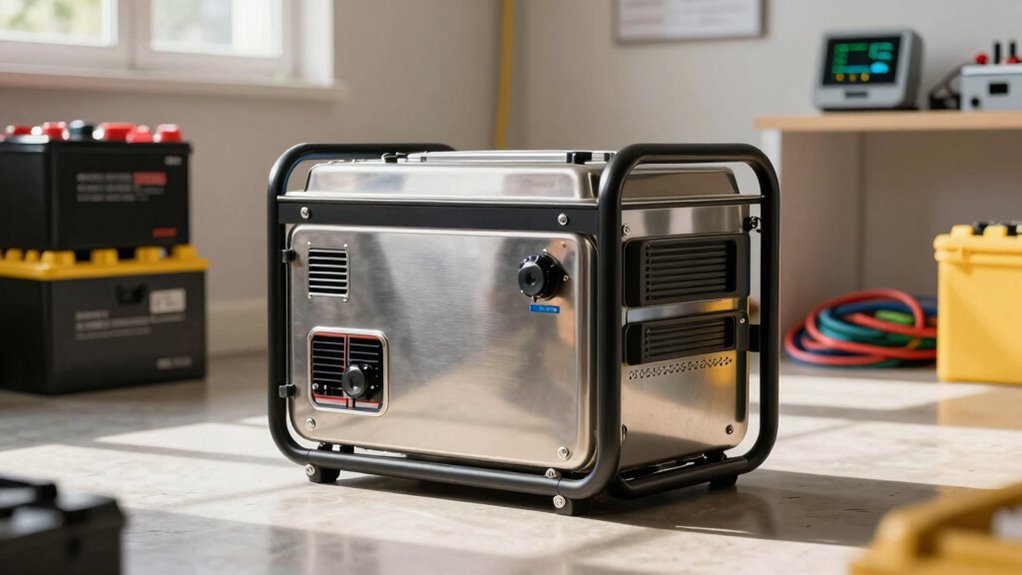

Better planning helps your backup power feel bigger by enabling you to prioritize essential devices and size your system accurately. By managing energy use carefully and ensuring routine maintenance, you boost your system’s reliability. Incorporating multiple power sources and testing regularly makes your setup seem more robust. When you optimize capacity and prevent overloads, your backup power appears more dependable. Keep exploring to discover how smart planning can make your system even more effective and confident.

Get garden gear delivered free — and shop member deals
- Fast, free delivery on millions of items
- Access to Prime Big Deal Days deals on October 6–7
- Prime Video, Amazon Music and more included
Key Takeaways
- Proper planning optimizes energy use, making the backup system seem more capable and substantial.
- Prioritizing essential devices ensures the system powers critical needs, enhancing perceived reliability.
- Regular maintenance and testing boost confidence in the system’s performance and robustness.
- Accurate sizing and management of energy consumption create the impression of a more powerful backup.
- Integrating multiple power sources and adapting plans improve overall resilience, making the system appear larger.
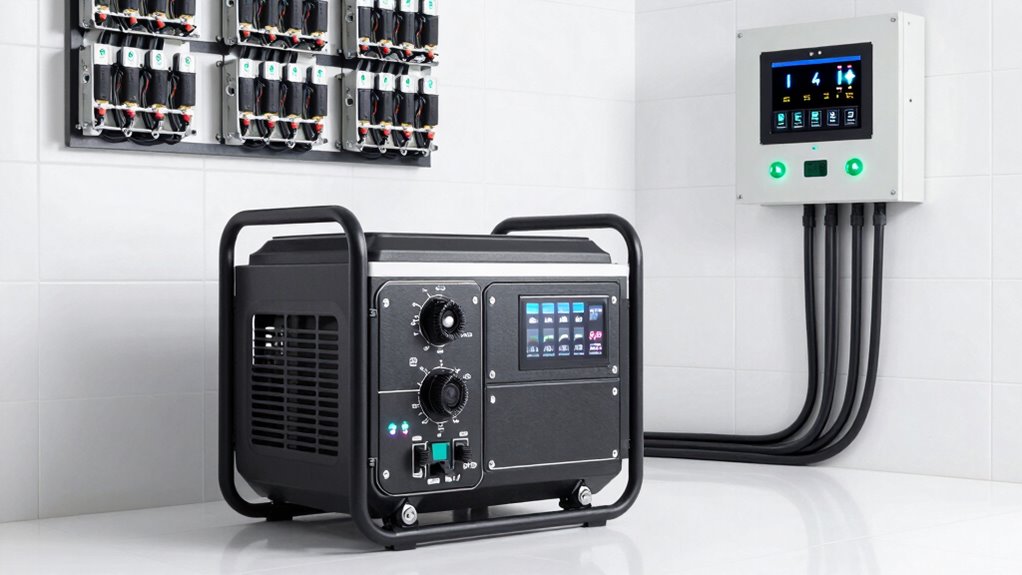
When a power outage hits, the difference between feeling prepared and feeling vulnerable often comes down to planning. You might think a backup generator is enough, but without proper foresight, it can feel less like a safety net and more like a false security. Good planning enhances your backup power’s effectiveness, making it seem larger and more reliable than it actually is. One key element is understanding energy efficiency. If your backup system is optimized, it uses less fuel and operates longer, giving you more confidence that your power needs are covered. By selecting energy-efficient appliances and managing your power load carefully, you reduce unnecessary drain, ensuring your backup system isn’t overtaxed, which can diminish its perceived size and reliability.
Risk mitigation plays an essential role here, too. When you plan ahead, you identify potential vulnerabilities and address them before disaster strikes. For example, you can set up a clear priority list for essential devices—like medical equipment, heating, or refrigeration—so your backup power is focused where it’s needed most. This targeted approach prevents wasteful use of your generator’s capacity and helps you stretch your resources. As a result, your backup system feels more substantial because it’s tailored to your actual needs, rather than just a generic emergency solution.
Another way to make your backup power feel bigger is through proper maintenance and testing. Regularly checking your generator’s performance and practicing startup procedures build confidence, so you’re not caught off guard when it matters most. These actions also help you spot potential problems early, reducing the risk of failure during an outage. When you know your system is in top shape, it’s easier to believe in its capacity. Additionally, understanding your energy consumption patterns allows you to size your backup system more accurately and make adjustments to conserve power during an outage, further reinforcing your system’s reliability. Incorporating preventive maintenance into your routine also extends your generator’s lifespan and ensures consistent operation when it’s needed most. Moreover, staying informed about your energy needs enables you to adapt your backup plan as your circumstances change, making your system feel even more dependable. Furthermore, adopting networking strategies can improve your overall backup system’s resilience by integrating multiple sources of power and backup options, adding an extra layer of security.
portable generator for home backup
As an affiliate, we earn on qualifying purchases.
As an affiliate, we earn on qualifying purchases.
Frequently Asked Questions
What Are the Most Common Backup Power Options Available?
You typically have several backup power options, including generators, battery technologies, and renewable integrations. Generators run on fuel and provide immediate power, while advanced battery technologies store energy for later use. Renewable integrations, like solar panels combined with battery systems, offer sustainable solutions. By understanding these options, you can plan better and guarantee your backup power feels more dependable, even during extended outages.
How Can I Estimate My Backup Power Needs Accurately?
Like a wizard with a crystal ball, you can estimate your backup power needs by calculating your essential energy storage and power capacity. Make a list of devices you want to run during outages, then find each item’s wattage. Add these up to determine total energy storage. Don’t forget to include a safety margin for unexpected needs, ensuring your backup power system feels more substantial and reliable.
What Are the Costs Associated With Different Backup Power Systems?
The costs of backup power systems vary based on your needs, with renewable integration often increasing initial expenses but reducing long-term costs. A thorough cost analysis helps you compare options like generators or solar batteries, considering installation, maintenance, and fuel. While upfront investments can be significant, incorporating renewables may lower ongoing expenses, making your backup system more cost-effective over time. Proper planning ensures you choose a system aligned with your budget and energy goals.
How Long Can Backup Power Typically Sustain Essential Devices?
You can expect backup power to sustain essential devices for several hours, depending on the battery longevity and power efficiency of your system. High-quality batteries with better power efficiency last longer, providing reliable support during outages. To maximize runtime, choose systems with optimized energy use and consider your device’s power needs. Proper planning guarantees your backup power feels bigger and more dependable when you need it most.
Are There Government or Insurance Incentives for Backup Power Systems?
Your backup power system could be a game-changer, revealing valuable government incentives and insurance benefits. Many regions offer rebates or tax credits for systems that meet regulatory compliance, making your investment smarter. Insurance providers may also reduce premiums or offer discounts if you demonstrate your backup power enhances safety and compliance. By planning ahead, you maximize these incentives, ensuring your system feels bigger and more impactful than its size suggests.
Conclusion
By planning ahead, you’ll find that backup power feels more reliable and substantial, even if the actual capacity isn’t massive. It’s easy to worry about whether your backup will meet your needs, but with smart preparation, you can confidently handle outages without stress. Remember, good planning isn’t about having the biggest system—it’s about making the most of what you have. So, focus on your plan, and enjoy the peace of mind that comes with it.
Fall yard work Picks
leaf blowers
As an affiliate, we earn on qualifying purchases.