
TL;DR
Listen free for 30 days with Audible
Thousands of audiobooks and originals — cancel anytime.
Start your free trialAs an affiliate, we earn on qualifying purchases.
Interest in attracting state birds to private yards is rising, with search activity increasing. Experts recommend planting native species to support local bird populations. The trend is based on observed gardening patterns, but specific initiatives are still unconfirmed.
Growing numbers of bird enthusiasts and gardeners are seeking ways to attract their state bird to private yards, with recent spikes in online searches for native plants known to support local bird populations. Want The Biggest Blooms Next Summer? Plant These 6 Perennials Before September Ends While no official initiative has been announced, experts suggest planting specific native species to encourage these birds to visit residential areas. Want The Biggest Blooms Next Summer? Plant These 6 Perennials Before September Ends This trend underscores a broader interest in supporting native wildlife through gardening.
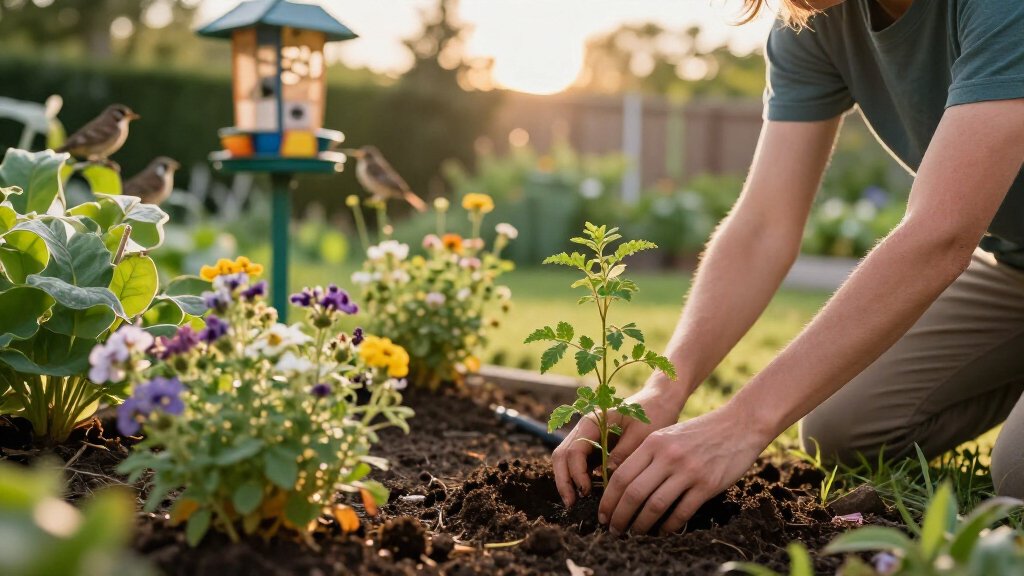
Recent data indicates a surge in online searches related to attracting state birds, such as the northern cardinal in the Southeast or the western meadowlark in the West. Although no formal government or conservation group has launched a nationwide campaign, horticulturists and birding experts note that planting native plants is a proven method to support local bird species. These plants provide essential food sources, shelter, and nesting sites, making yards more inviting for native birds.
Several native plant species are frequently recommended for this purpose. For example, the serviceberry (Amelanchier spp.) is known to attract various songbirds, including the eastern bluebird and American robin. In the Midwest, purple coneflowers (Echinacea purpurea) and native grasses are popular choices for supporting pollinators and seed-eating birds alike. Experts emphasize that using local native plants is more effective than non-native ornamentals, which may not provide the same benefits. Want The Biggest Blooms Next Summer? Plant These 6 Perennials Before September Ends
While the trend is gaining traction among individual gardeners and local birding groups, it remains unconfirmed whether any official programs or policies are being developed to promote native planting specifically for bird conservation at the state or federal level. The interest appears driven by a combination of environmental awareness and a desire to enhance backyard biodiversity, especially amid concerns about declining bird populations in many regions.
Why Planting Native Species Matters for Bird Conservation
Planting native species in residential yards can play a significant role in supporting declining bird populations by providing critical food and shelter. As many bird species face habitat loss and environmental pressures, individual efforts to create bird-friendly habitats contribute to broader conservation goals. This trend highlights a growing recognition of the importance of native plants in maintaining local ecosystems and encouraging biodiversity, which benefits both wildlife and gardeners.
Moreover, attracting state birds can foster community engagement and environmental stewardship, encouraging more people to participate in conservation efforts at the local level. While the trend is still emerging, experts agree that native planting is a practical, accessible way for individuals to make a positive impact on their local environment.
native plants for attracting birds
As an affiliate, we earn on qualifying purchases.
As an affiliate, we earn on qualifying purchases.
Background on Native Plants and Bird Attraction Efforts
The practice of planting native species to attract birds is well-established among conservationists and experienced gardeners. Native plants have evolved alongside local wildlife, forming a symbiotic relationship that provides food, nesting sites, and shelter. This approach has gained popularity in recent years as awareness of habitat loss and declining bird populations has increased.
Search interest in native plants and bird-friendly gardening has been gradually rising over the past decade, with recent spikes coinciding with broader environmental movements and local conservation initiatives. However, specific campaigns aimed at encouraging homeowners to plant native species for the purpose of attracting their state bird are still largely informal and community-driven, with no official nationwide or state-level programs confirmed at this time.
Unconfirmed Official Initiatives for Native Plant Campaigns
While interest in native plant gardening to attract state birds is increasing, there are no confirmed official programs or campaigns at the federal or state level promoting this practice specifically. The observed spike in search activity appears to be driven by individual and community initiatives rather than formal government or conservation organization actions. It remains unclear whether any official efforts are planned or underway to capitalize on this trend.
Next Steps for Native Plant and Bird Attraction Efforts
Experts anticipate that as awareness grows, local conservation groups and gardening organizations may develop targeted campaigns or educational programs to encourage native planting for bird support. Researchers will likely monitor the impact of these efforts on local bird populations and community participation. Meanwhile, individual gardeners are encouraged to select native plants suited to their regions to support their local state bird and contribute to broader conservation goals.
Key Questions
Which native plants are best for attracting my state bird?
Many native plants are effective, including serviceberries, purple coneflowers, native grasses, and berry-producing shrubs. The best choices depend on your region and the specific bird species you’re aiming to attract.
Is planting native species enough to attract my state bird?
While native plants significantly improve habitat, other factors such as providing water sources, avoiding pesticides, and offering nesting materials also help attract and support local birds.
Are there official programs promoting native planting for bird conservation?
Currently, there are no confirmed nationwide or state-level official initiatives focused solely on planting native species to attract state birds. Most efforts are community-driven or individual initiatives.
Can planting native plants help with broader environmental issues?
Yes, native plants support local ecosystems, improve biodiversity, and can help mitigate habitat loss, benefiting a wide range of wildlife beyond just birds.
Source: rss
NFL season / tailgating Picks
team gear
As an affiliate, we earn on qualifying purchases.