
TL;DR

Get garden gear delivered free — and shop member deals
- Fast, free delivery on millions of items
- Access to Prime Big Deal Days deals on October 6–7
- Prime Video, Amazon Music and more included
A gardener reports that using a $4 dog comb in August helps prevent weeds, saving hours of work in spring. The method is simple, inexpensive, and effective.
A gardener has found that spending five minutes in August using a $4 dog comb on garden beds can prevent or reduce weeds, saving hours of work during spring. This simple, low-cost technique has garnered attention for its effectiveness and ease.
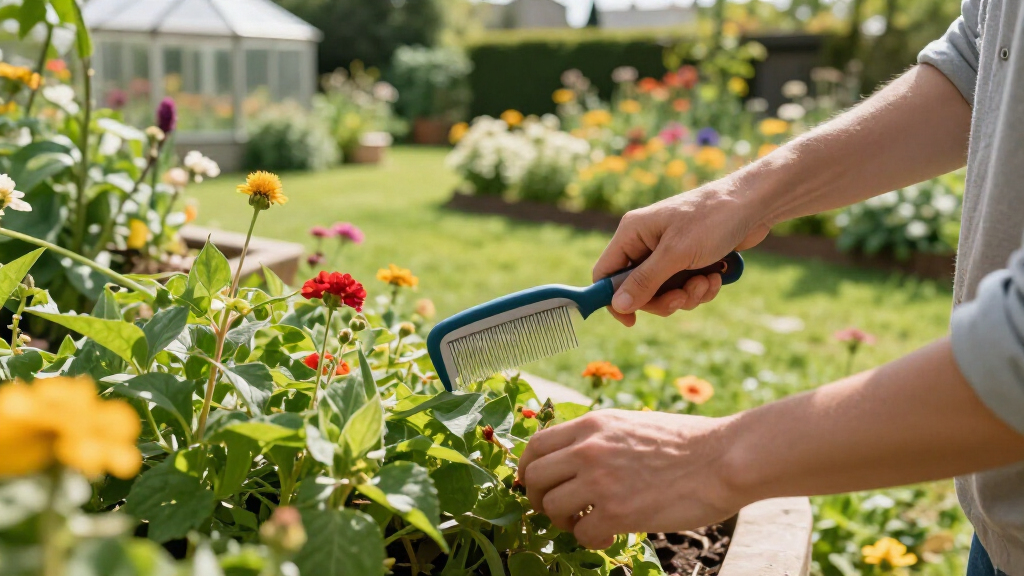
The gardener, who shared their experience on a gardening blog, reports that applying the dog comb in late summer disrupts weed growth and suppresses seed germination. The method involves combing through the soil surface, which helps remove emerging weeds and disturb weed seeds before they establish deeply.
According to the gardener, this practice takes about five minutes per bed and costs approximately $4 for a basic dog comb. They observed that, compared to previous years, spring weeding hours were cut by more than half after adopting this routine in August.
While this approach is not scientifically tested, the gardener claims it has made a noticeable difference in their garden’s weed levels, especially in beds prone to invasive weeds.
Potential Impact on Gardening Practices
This simple technique could offer gardeners a cost-effective and time-saving method to manage weeds, particularly in regions with seasonal weed growth. If validated through further observation or research, it might become a common practice for early weed suppression, reducing reliance on herbicides or labor-intensive manual weeding.
By demonstrating that a common household item like a dog comb can have practical gardening applications, this story highlights how small, inexpensive tools can be repurposed to improve garden maintenance.
As an affiliate, we earn on qualifying purchases.
Weed Control Strategies and Seasonal Timing
Weed management typically involves manual removal, mulching, or chemical herbicides, with timing being critical for effectiveness. Many gardeners focus on spring and early summer to control weeds, but this story suggests that preventive measures in late summer can also be impactful.
The use of a dog comb in August is an unconventional approach, but it aligns with principles of disrupting weed seed germination before they mature and spread. Historically, gardeners have relied on mulching and manual removal, but this new tip offers an alternative that is quick and inexpensive.
Effectiveness Still Requires Scientific Validation
While the gardener reports positive results, there is no scientific research yet to confirm that combing soil with a dog comb in August reliably prevents weeds. The observed benefits are anecdotal, and results may vary depending on soil type, weed species, and climate.
It is unclear whether this method works universally or only in specific conditions, and whether it can replace other weed control strategies.
Further Observation and Potential Adoption by Gardeners
Gardeners interested in this method may try it in their own gardens to assess its effectiveness. Researchers or horticulturists could conduct controlled studies to evaluate the impact of soil combing in late summer on weed seed germination and growth.
In the meantime, gardeners should consider this technique as a supplementary measure rather than a complete weed control solution, and monitor results over multiple seasons.
Key Questions
Can I use any type of dog comb for this method?
It is recommended to use a sturdy, fine-toothed dog comb similar to the one described, as it effectively disturbs the soil surface and weed seeds without damaging the soil structure.
Is this method suitable for all garden types?
This technique may work best in gardens with loose, well-drained soil. Its effectiveness in dense clay or heavily mulched beds is unproven.
Should I replace other weed control methods with this?
No. This method is suggested as a supplementary practice. Combining it with mulching, manual removal, or chemical controls may provide the best results.
Does this technique harm beneficial soil organisms?
Since the method involves superficial combing of the soil surface, it is unlikely to significantly disturb beneficial soil life, but more research is needed.
When is the best time to try this in my garden?
According to the gardener, late summer in August is ideal, as it precedes the main weed germination period in spring.
Source: rss
Halloween Picks
halloween
As an affiliate, we earn on qualifying purchases.