
TL;DR
Amateur Gardening writer Andrew Jackson reflects on how planting trees and other long-lived plants can benefit future garden users as well as today’s gardeners. His account describes five years of change in a new-build garden and recommends November planting when soil conditions allow.
Amateur Gardening writer Andrew Jackson has made the case for planting with future garden users in mind, describing how a crab apple tree, hedges and other gradual changes can shape a garden beyond the lifetime or ownership of the person who planted them. His account draws on five years in a new-build home and frames November planting as a practical and hopeful way to build a garden’s lasting value.

Get garden gear delivered free with Prime
- Fast, free delivery on millions of items
- Prime Video, Amazon Music and more included
- Member-only deals all year
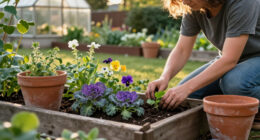
Jackson says the garden at his new-build home began with little established planting or history. Over five years, roses, shrubs and a wildlife pond have helped it develop character, while some plants have failed or proved unsuitable for their original locations. He describes these outcomes as part of the garden’s accumulated knowledge, rather than as a plan that could have been fully predicted in advance.
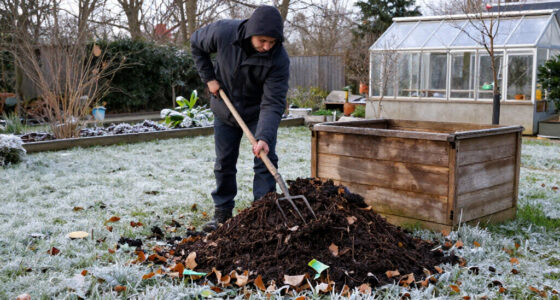
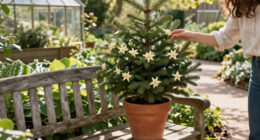
He points to young trees, mixed-species hedges and soil improved with compost as choices whose benefits can build over time. A hedge, for example, can become more than a boundary by providing flowers, berries, shelter and nesting opportunities. Jackson also notes that a suitable small tree can change how a modest garden feels.
The article recommends November for planting many deciduous trees and shrubs, as long as the ground is not frozen or waterlogged. It describes bare-root hedging as an affordable option and names hawthorn, hazel, field maple and dog rose as possible species. These are the writer’s gardening suggestions; the report does not present comparative trial data or a guarantee that particular plants will thrive in every garden.
Long-Term Value in Small Gardens
The piece highlights a choice many homeowners face: seek immediate screening and instant structure, or let planting develop over time. Jackson acknowledges the appeal of ready-made solutions, especially in overlooked gardens, but argues that patient planting can create layered benefits that extend beyond appearance. Trees and hedges may provide habitat and seasonal interest as they mature, while ongoing composting can improve the soil.
That idea matters particularly in new-build gardens with little established planting. Where mature trees and older borders are absent, early decisions can influence how the space develops for years. Jackson’s account also broadens the idea of what a garden passes on: alongside plants and habitat, it can encourage curiosity about wildlife and the natural processes around it.
Popular right now

Dyson V9 Motorbar Cordless Vacuum

TCL 65-Inch R7D Series 4K UHD QLED Roku Smart TV

Dreame X60 Ultra Robot Vacuum and Mop with Dual AI Cameras
As an affiliate, we earn on qualifying purchases.
Five Years in a New-Build Garden
Jackson describes moving into a home whose garden had been levelled and enclosed during construction. It offered a blank canvas, but little sign of what had previously grown there. In the years since, planting has introduced height and structure, and the writer says the wildlife pond has become a familiar place for birds and insects.
The article connects those changes with Jackson’s own upbringing. He recalls his father taking him birdwatching and teaching him to notice the natural world. Jackson says that experience shaped his approach to gardening, making observation and curiosity part of what he hopes to pass on, alongside the garden itself.
“I have come to think that inheritance in a garden is not simply about what we receive from those who came before us.”
— Andrew Jackson, writing in Amateur Gardening
What Planting Can Promise
Jackson’s article is a personal reflection, not a controlled study of the effects of particular planting methods. It does not quantify how much habitat a mixed hedge provides, how quickly a tree will mature, or how much compost is needed to improve a given soil. Outcomes will depend on site conditions, plant choice and care; the report does not offer a universal planting plan.
The writer also stresses that some plants in his own garden did not thrive or were poorly matched to their locations. It remains uncertain whether the garden’s current plantings will continue to succeed or how much of their eventual value future residents will experience. Jackson’s central point is about long-term intention, not a promise of specific results.
November Planting and Long-Term Care
For readers considering planting, the article’s immediate guidance is to use November for suitable trees and shrubs only when soil is workable and neither frozen nor waterlogged. Jackson suggests considering a small tree or mixed bare-root hedge where space permits, while recognizing that plant choice must fit the garden. The article does not provide a calendar of later milestones or say what Jackson plans to plant next.
Beyond the initial planting, the account points to continued care: allowing plants to establish, improving soil over time and watching how wildlife uses the space. Those steps may shape the garden gradually, but the timing and extent of any results remain specific to each site.
Key Questions
What is purposeful planting?
In Jackson’s account, it means choosing plants with their future role in the garden in mind, including shade, structure, seasonal interest and possible value to wildlife.
Why does the article focus on November?
Jackson describes November as a suitable time to plant many deciduous trees and shrubs while the soil retains some autumn warmth. He says planting should wait if the ground is frozen or waterlogged.
Which hedge plants does Jackson mention?
He names hawthorn, hazel, field maple and dog rose as possible choices for a mixed bare-root hedge where space allows. The article does not say that this combination suits every garden.
Does the article show that these methods work everywhere?
No. It is a personal account, not a comparative study. Jackson notes that some plants in his garden failed or were unsuitable for their locations, and plant outcomes depend on local conditions and care.
Source: amateurgardening.com