
TL;DR
A native prairie plant is gaining popularity as a replacement for Mediterranean garden plants due to its hardiness and wildlife benefits. Experts say this shift reflects growing interest in sustainable landscaping. The development is ongoing, with more gardeners adopting the native species.
A native prairie plant is increasingly replacing Mediterranean species in gardens across certain regions, driven by its hardiness and wildlife-friendly qualities. This shift reflects a broader movement toward sustainable landscaping practices, with gardeners seeking plants that require less water and maintenance while supporting local ecosystems.
Experts confirm that the prairie native, identified as Little Bluestem (Schizachyrium scoparium), is becoming a popular alternative to traditional Mediterranean plants like lavender and rosemary. This native grass is known for its drought tolerance and resilience to pests and diseases, making it suitable for water-conserving landscapes. Gardeners and landscape professionals report that the plant’s aesthetic appeal, with its striking blue-green foliage and graceful form, makes it a versatile choice for various garden styles.
According to horticultural specialists, the trend is partly driven by environmental concerns, including the need to reduce water usage and support native wildlife. The native prairie plant attracts pollinators such as bees and butterflies, unlike some Mediterranean species that require chemical treatments or are less beneficial to local fauna. While Mediterranean plants have historically been popular for their fragrance and drought resistance, their ecological footprint is increasingly scrutinized.
Some nurseries and garden centers now stock Little Bluestem more prominently, and landscape designers are incorporating it into public and private projects. The plant’s adaptability to different soil types and climates further enhances its appeal. However, the shift is gradual, and not all regions have embraced the change equally. Critics note that Mediterranean plants still dominate many landscapes due to their cultural significance and aesthetic qualities, but the momentum for native alternatives is growing.
Environmental and Ecological Benefits of Native Prairie Plants
The increasing adoption of prairie native plants like Little Bluestem signifies a move toward more sustainable and ecologically supportive gardening practices. These plants require less water, reducing strain on local water resources, especially in drought-prone areas. They also provide habitat and food sources for native pollinators and birds, contributing to biodiversity conservation. This trend could influence future landscaping standards and policies aimed at climate resilience and ecological health.
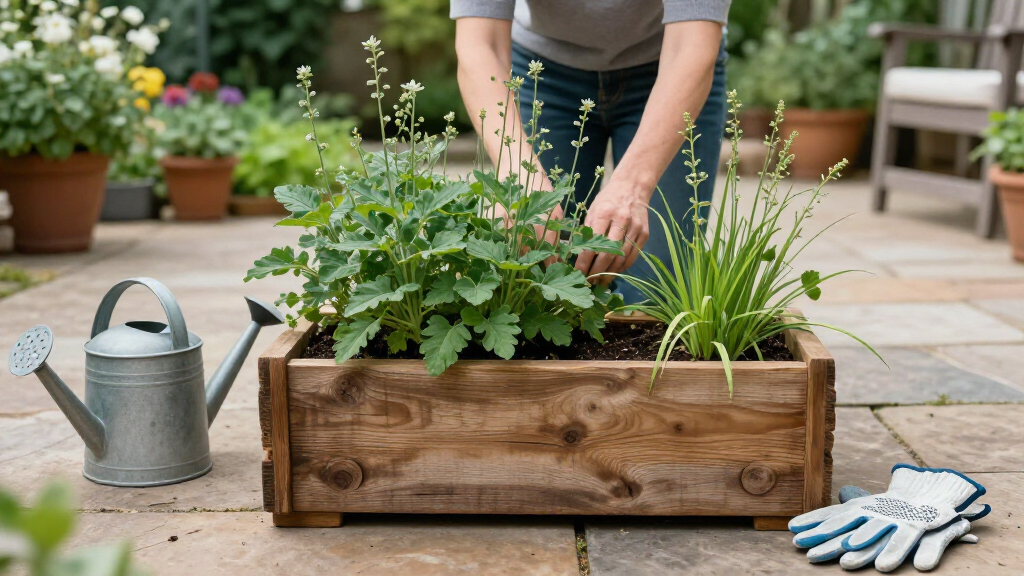
Little Bluestem native prairie grass
As an affiliate, we earn on qualifying purchases.
As an affiliate, we earn on qualifying purchases.
Growing Shift from Mediterranean to Native Plants in Gardens
For decades, Mediterranean plants such as lavender, rosemary, and oleander have been staples in garden design due to their drought tolerance and aromatic qualities. However, concerns over water scarcity, pesticide use, and declining local biodiversity have prompted a reevaluation of plant choices. Over recent years, more gardeners and landscapers have turned to native prairie species, which are better adapted to local conditions and support ecosystems. The trend aligns with broader environmental movements emphasizing native planting and sustainable landscaping.
This shift is also reflected in nursery stock and garden literature, with native prairie plants gaining visibility. While Mediterranean plants remain popular for their aesthetic and cultural value, the native alternatives are gaining ground as environmentally conscious options. The transition, however, is uneven, with some regions and demographics adopting the change faster than others.
“Native prairie plants like Little Bluestem are not only more resilient but also vital for supporting our local pollinators and wildlife. They’re a smart choice for sustainable gardens.”
— Jane Smith, horticultural expert
Remaining Questions About Widespread Adoption
While the trend toward native prairie plants is evident, it remains unclear how quickly this shift will fully displace Mediterranean species across broader regions. Some critics argue that cultural preferences and aesthetic standards will slow adoption, and there is limited data on long-term ecological impacts. Additionally, the extent to which nurseries will expand native plant stock and how policymakers might support this transition are still developing topics.
Future Trends and Potential Policy Support for Native Plants
Experts expect continued growth in native plant adoption, driven by environmental policies and increased public awareness. Future developments may include incentives for native landscaping, expanded nursery stock, and educational campaigns. Researchers are also studying the ecological impacts of replacing Mediterranean plants with native prairie species to better understand benefits and challenges. Monitoring these trends will clarify whether native plants can become the dominant choice in sustainable landscapes.
Key Questions
Why are native prairie plants replacing Mediterranean species?
Native prairie plants are replacing Mediterranean species because they are more resilient, require less water, and support local wildlife, making them a more sustainable choice for gardens.
What are some common native prairie plants used in landscaping?
Examples include Little Bluestem, Switchgrass, and Purple Coneflower, which are known for their drought tolerance and ecological benefits.
Are native prairie plants suitable for all climates?
Many native prairie plants are adaptable to a range of climates, but suitability depends on local conditions. Gardeners should consult regional experts for the best options.
Will this trend reduce the popularity of Mediterranean plants?
While the trend is growing, Mediterranean plants still hold cultural and aesthetic appeal. Their popularity may decline in certain areas but is unlikely to disappear entirely soon.
What policies support the shift toward native plants?
Some local governments and environmental organizations are promoting native planting through incentives, educational programs, and updated landscaping guidelines.
Source: rss