
TL;DR

Get garden gear delivered free with Prime
- Fast, free delivery on millions of items
- Prime Video, Amazon Music and more included
- Member-only deals all year
A growing trend in outdoor lighting involves replacing harsh floodlights with softer, strategically placed lights. This shift improves aesthetics and is cost-effective, gaining popularity this summer. The development is based on consumer preferences and lighting experts’ recommendations.
Homeowners and outdoor lighting professionals are increasingly shifting from harsh floodlights to softer, strategically placed lighting solutions this summer, a trend that is quietly gaining momentum due to its aesthetic appeal and cost benefits.
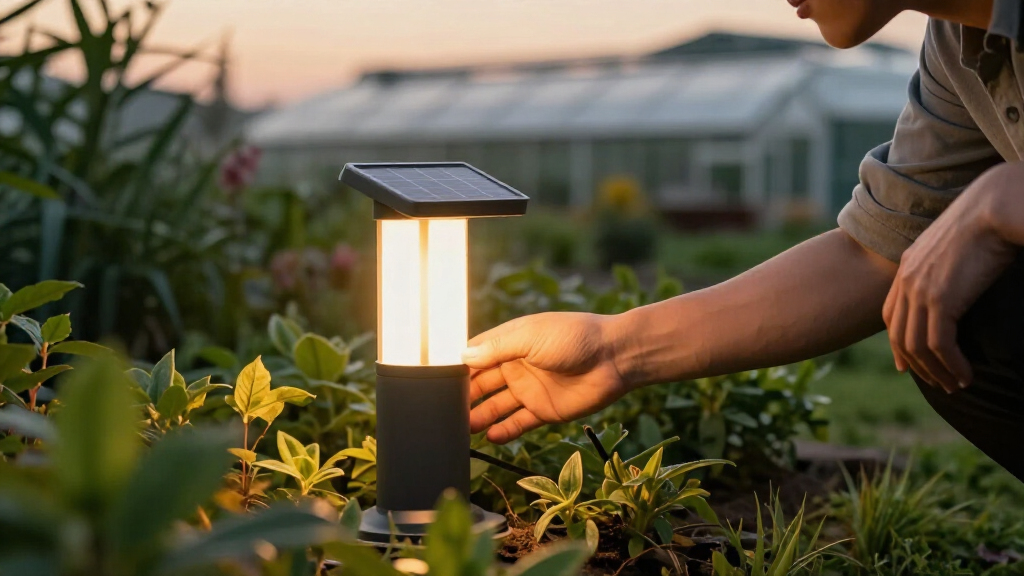
The new trend involves replacing traditional floodlights, which often produce overly bright, unflattering illumination, with a combination of string lights, pathway lights, and accent lighting. Experts say this approach creates a more inviting outdoor environment while reducing energy consumption and installation costs.
According to industry sources, this shift is driven by consumer desire for more visually appealing outdoor spaces and a preference for energy-efficient, budget-friendly options. Several home improvement retailers report increased sales of decorative and low-intensity outdoor lighting products during the summer months.
Lighting specialists note that these softer lights can be strategically placed to highlight landscape features, walkways, and outdoor seating areas, providing functional illumination without the harsh glare typical of floodlights.
Why This Softer Lighting Trend Matters for Homeowners
This trend represents a meaningful shift in outdoor lighting, emphasizing aesthetics, energy efficiency, and cost savings. It allows homeowners to create more inviting, visually appealing outdoor spaces, which can enhance property value and curb appeal.
Additionally, the move away from harsh floodlights can reduce light pollution and minimize disturbance to neighbors, aligning with broader environmental and community-friendly goals. As this trend grows, it could influence industry standards and future outdoor lighting designs.
As an affiliate, we earn on qualifying purchases.
Background of Outdoor Lighting Choices and Recent Shifts
Traditionally, outdoor floodlights have been the standard for security and illumination, favored for their brightness and coverage. However, their harsh glare and energy consumption have led to calls for more aesthetic and sustainable alternatives.
Over the past few years, consumer preferences have shifted toward decorative, low-impact lighting options, driven by increased awareness of light pollution and the desire for more stylish outdoor spaces. This summer marks a notable increase in the adoption of softer lighting solutions, supported by product innovations and changing industry practices.
Unanswered Questions About Long-Term Adoption and Industry Impact
It is not yet clear how quickly this trend will fully replace floodlights across different regions or types of properties. The durability, cost, and long-term energy savings of these softer lighting solutions are still being evaluated.
Additionally, some experts question whether softer lighting can meet all security needs, especially in larger or more remote properties. Further research and industry data are needed to confirm the durability and effectiveness of these new lighting strategies.
Future Developments and Industry Adoption Expectations
Manufacturers are expected to introduce more innovative, customizable lighting products tailored for outdoor use over the coming months. Industry surveys suggest that the trend could become a standard practice, especially in residential settings, by late 2024.
Further consumer feedback and long-term studies will determine whether this softer lighting approach will fully replace floodlights or coexist as part of layered outdoor lighting systems.
Key Questions
Are softer outdoor lights as effective as floodlights for security?
While softer lights can improve aesthetics and reduce light pollution, their effectiveness for security depends on placement and coverage. Some experts recommend combining softer lighting with motion sensors for optimal security.
What types of lights are included in this trend?
The trend includes string lights, pathway lights, accent lighting, and low-intensity LED fixtures designed for outdoor use.
Is this trend more expensive than traditional floodlights?
Initial costs may be comparable or slightly higher, but softer lighting solutions often save energy and reduce installation costs over time, making them more budget-friendly overall.
Will this trend influence outdoor lighting regulations?
It is too early to tell, but increased adoption of softer lighting could lead to new standards aimed at reducing light pollution and promoting energy efficiency.
When will this trend become mainstream?
Industry experts expect broader adoption to accelerate through late 2024, especially as new products become available and consumer preferences continue shifting.
Source: rss
Columbus Day / Indigenous Peoples' Day Picks
long weekend sales
As an affiliate, we earn on qualifying purchases.