
TL;DR

Get garden gear delivered free with Prime
- Fast, free delivery on millions of items
- Prime Video, Amazon Music and more included
- Member-only deals all year
This article outlines five straightforward tasks gardeners can do in August to keep their ferns healthy and vibrant. Proper watering, pruning, and environmental adjustments are key. These steps help prevent browning and promote lush growth, ensuring ferns remain beautiful throughout the season.
Gardeners looking to maintain the lush, vibrant appearance of their ferns this August should focus on five simple tasks that promote healthy growth and prevent browning or crispy foliage, according to horticultural experts. For more detailed guidance, see what orchids need in August. These steps are essential as the peak of summer can challenge ferns with heat, dry conditions, and environmental stress, making proper care vital for their continued beauty and health.
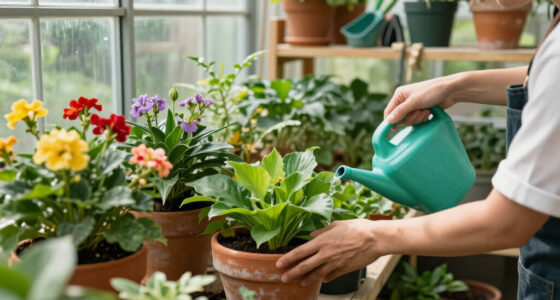
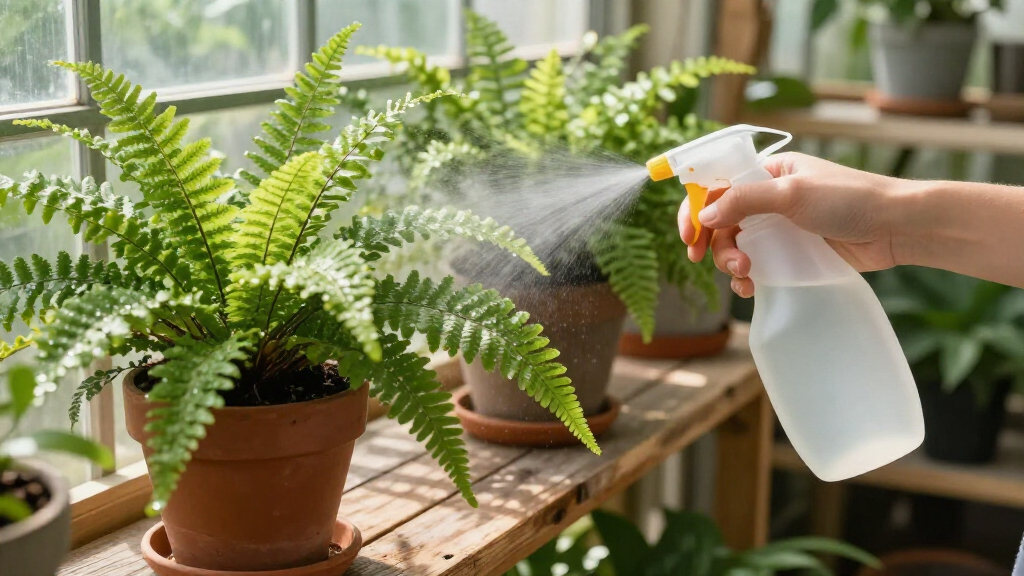
Horticulturists advise that regular watering remains the most critical task for ferns during August, especially in regions experiencing hot, dry weather. Ferns prefer consistently moist soil, but not waterlogged, and watering early in the morning or late in the afternoon helps maintain optimal moisture levels. Experts from the American Fern Society emphasize that neglecting watering can lead to browning and crispy fronds, which are common issues at this time of year.
In addition to watering, pruning dead or damaged fronds is recommended to encourage new growth and improve air circulation. Cutting back browning leaves not only enhances the plant’s appearance but also reduces the risk of disease. Gardeners should use clean, sharp scissors or pruning shears and dispose of the cuttings away from the plant to prevent fungal spread.
Adjusting environmental conditions, such as relocating potted ferns to areas with indirect sunlight or increased shade, can also help prevent leaf scorch. Learn more about plant care in what orchids need in August. Experts suggest that direct sun exposure during peak summer hours often causes browning and crispiness, especially for sensitive fern varieties. Mulching around the base of outdoor ferns helps retain soil moisture and keeps roots cool during hot days.
Fertilization is another key task; applying a diluted, balanced liquid fertilizer every few weeks supports lush foliage. For additional tips, visit what orchids need in August. However, over-fertilizing can cause salt buildup and damage roots, so following manufacturer instructions is essential. Finally, checking for pests such as scale or spider mites and treating infestations promptly can prevent damage that may contribute to browning or decline.
Why Proper August Care Is Crucial for Ferns
Maintaining healthy ferns in August is vital because this period often presents the most challenging conditions for shade-loving plants. Proper care ensures that ferns remain lush and vibrant, enhancing garden aesthetics and supporting their overall health. Neglecting these tasks can lead to browning, crispy fronds, and eventual decline, which may require more extensive recovery efforts or replacement. For gardeners, understanding and implementing these simple steps can save time and resources while keeping their ferns thriving through the peak of summer.
As an affiliate, we earn on qualifying purchases.
August Challenges and Fern Care Best Practices
Ferns are typically sensitive to environmental stressors common in August, such as high temperatures, low humidity, and irregular watering. Historically, neglecting proper watering and protection during peak summer months has led to widespread browning and plant decline. Experts recommend that gardeners adapt their care routines based on local climate conditions, emphasizing consistent moisture and shade. This advice builds on previous research indicating that proper environmental management significantly improves fern resilience during hot weather.
Unclear Impact of Extreme Weather Events
While these care tips are widely recommended, it is still unclear how extreme weather events, such as heatwaves or unexpected droughts, might alter the effectiveness of standard practices. Some regions may experience conditions that exceed typical summer stressors, and the specific impacts on fern health under such circumstances are still being studied. Gardeners are advised to monitor local weather forecasts and adjust watering and shading accordingly, but definitive guidelines for extreme conditions remain limited.
Next Steps for Fern Care After August
Following August, gardeners should continue monitoring fern health, adjusting watering schedules as temperatures decline or increase. Preparing for autumn by reducing watering frequency and beginning to prune for winter protection will help ensure ferns remain healthy through the cooler months. Experts recommend scheduling a thorough inspection of ferns in early fall to assess damage and plan for any necessary restorative care.
Key Questions
How often should I water my ferns in August?
Ferns generally need watering at least 2-3 times a week, ensuring the soil remains consistently moist but not waterlogged. Adjust frequency based on local weather conditions and soil moisture levels.
Can I fertilize my ferns during August?
Yes, a diluted, balanced liquid fertilizer applied every few weeks can support lush growth. Avoid over-fertilizing, as this can harm the plant.
What are the best ways to prevent browning in ferns during summer?
Maintain consistent watering, provide shade or relocate potted ferns to shaded areas, prune dead fronds, and mulch around outdoor plants to retain moisture and keep roots cool.
Are certain fern varieties more resistant to summer stress?
Some hardy varieties like Boston ferns and maidenhair ferns tend to tolerate summer conditions better, but all ferns benefit from proper care practices outlined here.
When should I start preparing my ferns for winter?
Begin autumn preparations in early September by reducing watering, pruning for winter, and considering protective coverings for outdoor ferns, depending on your climate.
Source: rss
Fall yard work Picks
leaf blowers
As an affiliate, we earn on qualifying purchases.