TL;DR

Get garden gear delivered free with Prime
- Fast, free delivery on millions of items
- Prime Video, Amazon Music and more included
- Member-only deals all year
Master gardener Rhonda Fleming Hayes says spring-flowering bulbs can generally be planted as long as the soil is not frozen or waterlogged. Her suggested planting windows vary by USDA hardiness zone; gardeners who miss the ground-planting window can use containers stored in a dark, unheated space until spring.
Spring-flowering bulbs can generally be planted until the ground freezes, master gardener Rhonda Fleming Hayes told Country Living, offering a late-season option for gardeners who have missed the usual fall planting window. The workable timing depends on USDA hardiness zone and soil conditions, and some bulbs need a cold period before they flower.
Hayes, author of Garden for Life: Strategies for Easier, Greener, More Joyful Gardening as We Age and the Substack The Garden Buzz, told Country Living that bulbs can go into the ground as long as the soil is not frozen or wet. Tulips, daffodils, hyacinths and crocuses need a chilling period, she said, to break dormancy and develop roots.
Her suggested planting windows are approximate and tied to hardiness zones: zones 3–5, mid-September to mid-October; zones 5–6, mid-October to the first weeks of December; zones 7–8, November and December. For more ideas, see these flower bulbs to plant in fall. For zones 8–10, Hayes recommends December or January only after bulbs have been pre-chilled in a refrigerator for 10 to 12 weeks.
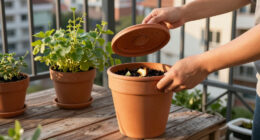
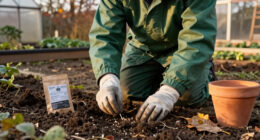
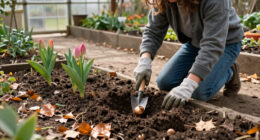
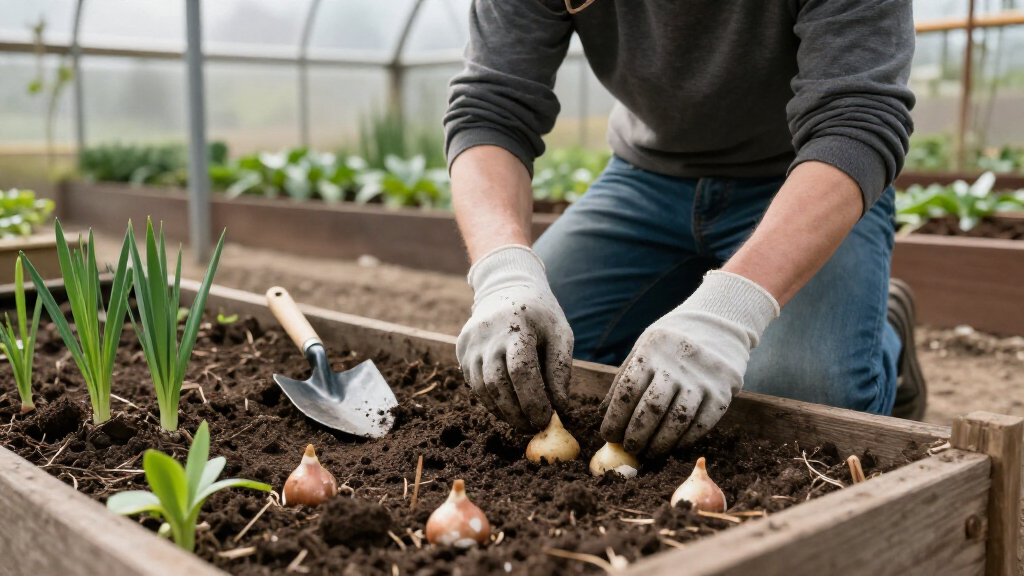
After planting, Hayes recommends covering bulbs fully and adding 2 to 4 inches of mulch. If the ground has frozen, she says gardeners can plant bulbs in containers instead, keeping the growing medium moist but not wet and storing the pots in a dark, unheated garage or shed until spring.
Late Planting Depends on Soil and Zone
The guidance gives gardeners who have delayed planting a practical way to judge whether they can still put bulbs directly in the ground. Frozen or waterlogged soil is the key limit in Hayes’s advice, while warmer-zone gardeners may have a later window than those in colder regions.
The distinction matters because a calendar date alone cannot answer whether a bulb will establish well. Hayes links successful planting to both local conditions and the bulbs’ need for cold exposure. Where the ground is already frozen, container planting offers an alternative, though the report does not promise that every bulb or storage setup will produce the same results.
Popular right now

Bose QuietComfort Wireless Bluetooth Headphones with Active Noise Cancellation, Mic, USB‑C Charging, Deep Bass, 24‑Hour Battery – White Smok

Samsung 48-Inch S90H OLED 4K Smart TV (2026)

Ninja Foodi 10-Quart DualZone 6-in-1 Air Fryer, Black, DZ302
As an affiliate, we earn on qualifying purchases.
Hayes’s Zone-Based Planting Windows
The Country Living report addresses a common fall gardening question: how long gardeners can wait before planting bulbs intended to flower in spring. It draws on advice from Rhonda Fleming Hayes, rather than announcing a new horticultural study or a change to planting standards.
The timing ranges in the report overlap at some zone boundaries, including zones 5 and 8. They are presented as rough guidelines, not fixed dates for every garden. Hayes also makes an exception for zones 8–10, where bulbs should be refrigerated for 10 to 12 weeks before planting. The report advises gardeners to identify their USDA hardiness zone before using the schedule.
“You can generally plant them as long as the soil isn’t frozen or wet.”
— Rhonda Fleming Hayes, master gardener, quoted by Country Living
Local Conditions Affect the Cutoff
The report does not give a single final planting date that applies everywhere. Its zone ranges are approximate, and actual conditions can vary by location and season. It also does not specify whether every bulb variety responds identically to late planting or define how long container-grown bulbs should remain in storage beyond saying to keep them in a dark, unheated space until spring.
Hayes’s guidance is attributed advice in a gardening report; the source material does not describe controlled trials or compare outcomes for bulbs planted at different dates. Gardeners should treat the schedule as general guidance and account for their local soil and weather.
Check Conditions Before Planting
Gardeners considering a late planting can first check their USDA hardiness zone and assess whether the soil is workable, neither frozen nor wet. In warmer zones requiring pre-chilling, the report recommends allowing 10 to 12 weeks in the refrigerator before planting.
If the ground has frozen, Hayes’s suggested next step is to plant bulbs deeply in containers, keep the compost moist but not saturated, and store the containers in a dark, unheated garage or shed until spring. The report does not provide a later update or a forecast for planting conditions in any specific region.
Key Questions
How late can spring bulbs be planted?
Hayes says they can generally be planted while the soil is not frozen or wet. The approximate calendar window varies by hardiness zone.
What can I do if the ground has frozen?
Hayes recommends planting bulbs in containers, keeping the soil or compost moist but not wet, then storing the containers in a dark, unheated garage or shed until spring.
Which bulbs need a chilling period?
Hayes names tulips, daffodils, hyacinths and crocuses as bulbs that need cold exposure to break dormancy and develop roots.
Do bulbs for warmer zones need to be chilled first?
For zones 8–10, Hayes recommends planting in December or January only after bulbs have been pre-chilled in a refrigerator for 10 to 12 weeks.
How much mulch should go over planted bulbs?
Hayes suggests a 2- to 4-inch layer of mulch to insulate the ground from deep freezes.
Source: countryliving.com