TL;DR

Get garden gear delivered free — and shop member deals
- Fast, free delivery on millions of items
- Access to Prime Big Deal Days deals on October 6–7
- Prime Video, Amazon Music and more included
A gardener has discovered a low-cost method to attract birds for natural pest control while reducing slug populations. The approach involves using specific feeding techniques that benefit both wildlife and plants.
A gardener has revealed a cost-effective technique to feed wild birds while simultaneously reducing slug infestations in gardens. This approach, which involves using inexpensive feed and placement strategies, has gained attention for its simplicity and environmental benefits. The method offers a natural alternative to chemical slug repellents, making it relevant for eco-conscious gardeners.
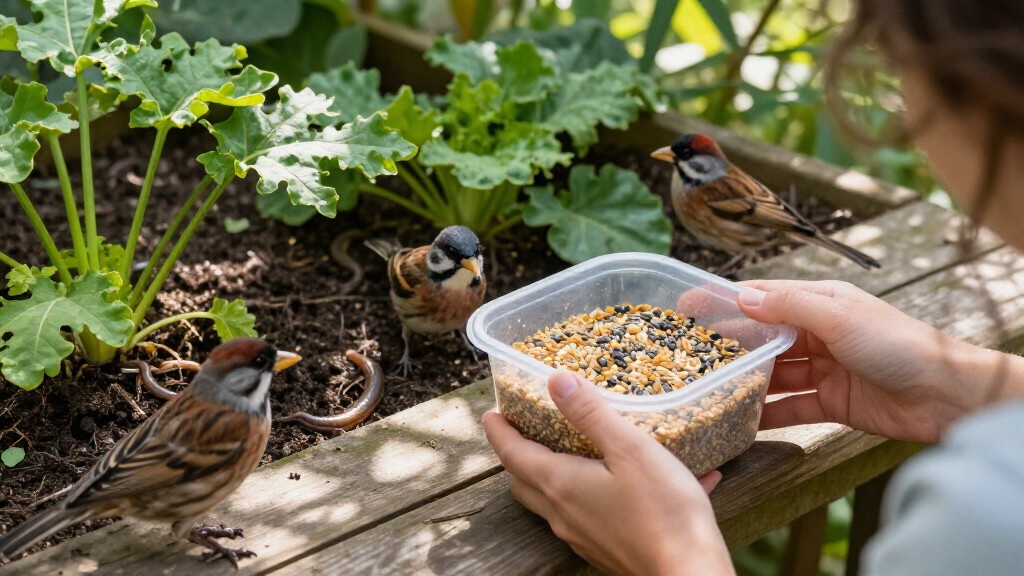
The gardener, who shared their discovery via social media and gardening forums, states that placing inexpensive bird feed in specific locations attracts birds that naturally feed on slugs. By doing so, gardeners can control slug populations without resorting to chemical pesticides, which can harm the environment. The technique reportedly costs almost nothing beyond standard bird feed, making it accessible for most gardeners.
According to the source, the method involves placing bird feed near slug-prone plants, encouraging birds such as thrushes, blackbirds, and other natural slug predators to visit. These birds feed on slugs, reducing their numbers and protecting plants. The gardener emphasizes that this approach is sustainable and supports local wildlife, aligning with eco-friendly gardening practices.
Potential Impact on Eco-Friendly Gardening Practices
This development offers gardeners a cost-effective, environmentally friendly alternative to chemical slug repellents. By attracting natural predators, it promotes biodiversity and reduces chemical runoff into soil and water sources. The technique could influence gardening practices, encouraging more sustainable pest control methods, especially among eco-conscious communities.
As an affiliate, we earn on qualifying purchases.
Background on Slug Control and Bird Feeding Strategies
Traditional slug control methods often involve chemical pesticides or manual removal, which can be labor-intensive or environmentally harmful. Bird feeding has long been used to attract wildlife, but its role in pest control is less commonly exploited. Recent discussions among gardeners highlight a growing interest in natural pest management techniques that support local ecosystems.
This approach aligns with broader trends toward sustainable gardening, where reducing chemical inputs is prioritized. The gardener’s method builds on existing knowledge of birds as natural predators of slugs, offering a practical application that combines wildlife support with pest management.
“By placing simple bird feed near problem areas, I saw a noticeable reduction in slugs, and my garden became livelier with birds. It’s a win-win for nature and my plants.”
— the gardener who shared the method
Unverified Long-Term Effectiveness and Scalability
While initial reports are promising, it is not yet confirmed how effective this method is over the long term or across different garden environments. Variations in bird populations, local species, and garden layout may influence results. Further studies or widespread testing are needed to validate its general applicability and potential limitations.
Next Steps for Gardeners and Researchers
Gardeners interested in trying this technique can experiment with placing inexpensive bird feed near slug-prone plants. Researchers may conduct controlled studies to measure the method’s effectiveness over time and across various regions. Additional guidance on optimal feed types and placement strategies could further improve outcomes.
Key Questions
Does this method work in all types of gardens?
Effectiveness may vary depending on local bird populations and garden layout. It is most likely to work where native bird species that feed on slugs are present.
What types of bird feed should be used?
Standard inexpensive bird seed mixes, such as sunflower seeds or mixed grains, are recommended. The key is placing the feed near slug-prone plants to attract predators.
Are there any risks to using this method?
Risks are minimal if feed is used responsibly; overfeeding can attract unwanted pests or rodents. Proper placement and moderation are advised.
Can this replace chemical slug repellents entirely?
While promising, the method may not eliminate all slugs or work equally well everywhere. It is best used as part of an integrated pest management strategy.
Source: rss
Fall Picks
fall essentials
As an affiliate, we earn on qualifying purchases.