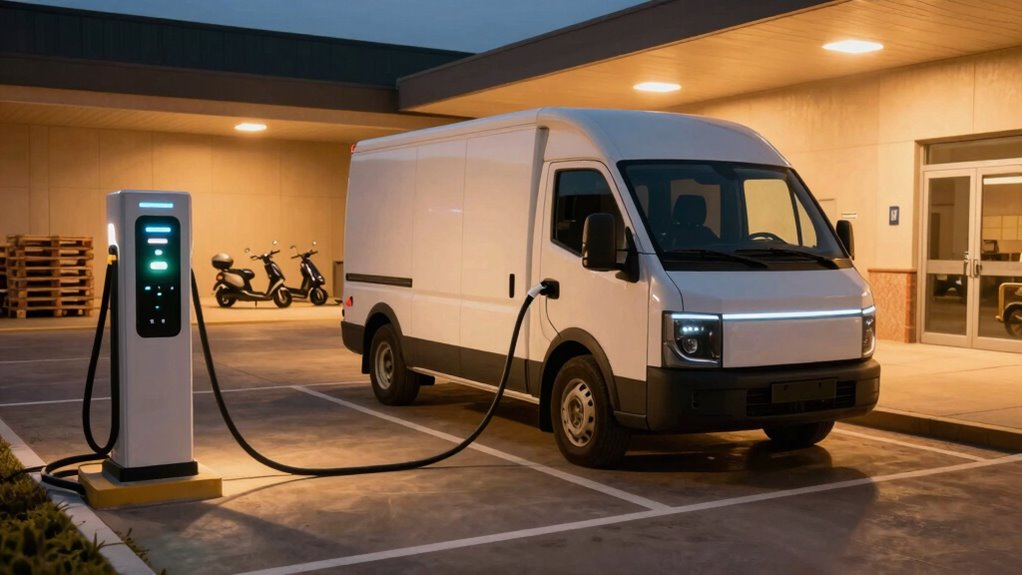

You’ll get the most out of yard electrification by having a solid charging plan in place. It helps keep your equipment ready when needed, reduces downtime, and boosts productivity. A well-designed plan also considers your yard layout, charging time, and safety measures, ensuring smooth operations. Proper scheduling and maintenance minimize costs and extend battery life. Keep going to discover how a strong charging strategy can transform your logistics efficiency and future-proof your yard.

Get garden gear delivered free — and shop member deals
- Fast, free delivery on millions of items
- Access to Prime Big Deal Days deals on October 6–7
- Prime Video, Amazon Music and more included
Key Takeaways
- Ensures continuous equipment availability, preventing delays and maximizing operational efficiency.
- Optimizes energy use by scheduling charges during off-peak hours, reducing costs.
- Enhances battery lifespan through proper maintenance and monitoring.
- Integrates seamlessly with yard layout and workflow for rapid turnaround.
- Supports scalable, future-proof logistics operations with a strategic charging infrastructure.
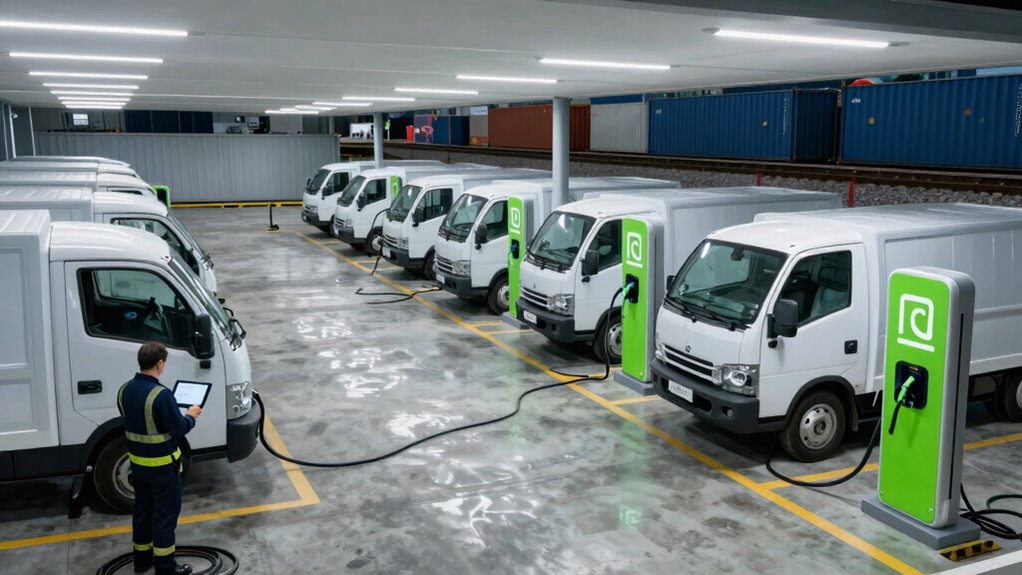
Are you ready to embrace the future of freight movement? Yard electrification is transforming how logistics operate, but its success hinges on a well-thought-out charging plan. Without a clear strategy, you risk delays, equipment downtime, and inefficiencies that could undermine your investment. A solid charging plan ensures that your electric yard equipment remains operational when needed, helping you maximize productivity and minimize unexpected disruptions.
One of the most critical aspects of a successful charging plan is understanding battery maintenance. Electric vehicles and equipment rely heavily on batteries, which require regular care to perform at their best. Proper battery maintenance involves monitoring charge levels, managing charging cycles, and preventing issues like overheating or capacity loss. When you implement a proactive approach to battery care, you extend the lifespan of your batteries, reduce replacement costs, and ensure your fleet remains reliable. It’s not just about charging; it’s about maintaining the health of your batteries over time to support seamless operations. Additionally, staying informed about battery technology advancements can help you select the most efficient and future-proof solutions.
Effective battery maintenance extends lifespan, reduces costs, and ensures reliable, seamless fleet operations.
Equally important is the design of your charging stations. Effective charging station design isn’t just about installing some chargers; it’s about creating a system that fits your yard’s layout, operational flow, and capacity needs. You need to consider factors such as the number of charging points, types of chargers (fast chargers versus standard), and accessibility for your equipment. Proper design also involves planning for electrical capacity, ensuring your infrastructure can support current and future charging requirements without bottlenecks. When your charging stations are thoughtfully designed, they become an integral part of your yard’s workflow, enabling rapid turnaround and reducing idle time for your vehicles. Additionally, understanding battery technology and advancements can help you select the most efficient and future-proof charging solutions.
A holistic charging plan integrates both battery maintenance and charging station design. It involves scheduling charges during off-peak hours, implementing automated monitoring systems, and ensuring safety standards are met. This plan allows you to coordinate charging activities with operational demands, preventing equipment from being stranded without power. When you align your charging infrastructure with your fleet’s usage patterns, you create a more efficient, resilient yard that can scale as your needs grow. Moreover, incorporating sustainable practices into your operational planning can promote environmental responsibility within your facility.
Ultimately, yard electrification works best when it’s supported by a strategic, well-executed charging plan. By focusing on battery maintenance and designing your charging stations thoughtfully, you set the foundation for a reliable, cost-effective, and future-proof operation. It’s not just about adopting electric technology but about integrating it seamlessly into your daily logistics, ensuring you stay ahead in the evolving world of freight movement.
electric yard equipment charging station
As an affiliate, we earn on qualifying purchases.
As an affiliate, we earn on qualifying purchases.
Frequently Asked Questions
How Often Should I Review My Yard’s Charging Plan?
You should review your yard’s charging plan regularly, ideally every three to six months. Keep an eye on your Charging schedule and adjust it as needed to optimize efficiency. Incorporate routine Maintenance routines to guarantee chargers and batteries stay in good condition. Frequent reviews help identify any issues early, prevent downtime, and keep your electrification system running smoothly. Staying proactive ensures your yard remains efficient and cost-effective over time.
What Are Common Challenges in Implementing Yard Electrification?
Oh, the joys of yard electrification—where battery maintenance and charging station placement become your biggest hurdles. You might think it’s simple, but aligning ideal station locations and ensuring batteries stay healthy isn’t easy. Challenges include balancing equipment needs, managing power supply, and avoiding congestion. These obstacles test your planning skills, but with a strategic approach, you’ll turn these common issues into smooth, electrified operations.
How Does Weather Affect Electric Vehicle Charging in Yards?
Weather impact can profoundly affect electric vehicle charging in yards, causing potential charging delays. Extreme cold can reduce battery efficiency and slow charging times, while heat may lead to overheating and equipment malfunctions. Rain or snow can disrupt power connections or cause safety concerns. To minimize these issues, you should incorporate weather considerations into your charging plan, ensuring reliable operations regardless of weather conditions and avoiding unexpected delays.
Can Existing Infrastructure Support Yard Electrification Upgrades?
Think of your yard’s infrastructure as a garden: some areas are already fertile, but others need careful planting. Your existing setup might support yard electrification if you optimize charging station placement and check the power grid capacity. You’ll need to assess whether your current wiring and power sources can handle additional loads, and plan upgrades accordingly. This way, your yard can flourish with efficient, reliable electric vehicle charging.
What Training Is Needed for Staff on New Charging Systems?
You need to provide staff with thorough training on the new charging systems, focusing on proper operation and safety procedures. Guarantee they understand charging protocols to prevent accidents and maximize efficiency. This training should cover equipment handling, troubleshooting, and maintenance routines. Regular refresher courses will help staff stay updated on any system changes, ensuring smooth yard operations and prolonging equipment lifespan. Proper training is essential for a successful electrification upgrade.
Conclusion
By integrating yard electrification with a well-thought-out charging plan, you turn your logistics into a well-oiled machine, minimizing downtime and maximizing efficiency. Think of it as composing a symphony where every note—every charge—fits perfectly into the rhythm of your operations. When you plan your charging strategy carefully, you’re not just keeping your fleet moving—you’re steering it smoothly into a cleaner, more sustainable future. The road ahead has never looked brighter.
Fall yard work Picks
leaf blowers
As an affiliate, we earn on qualifying purchases.