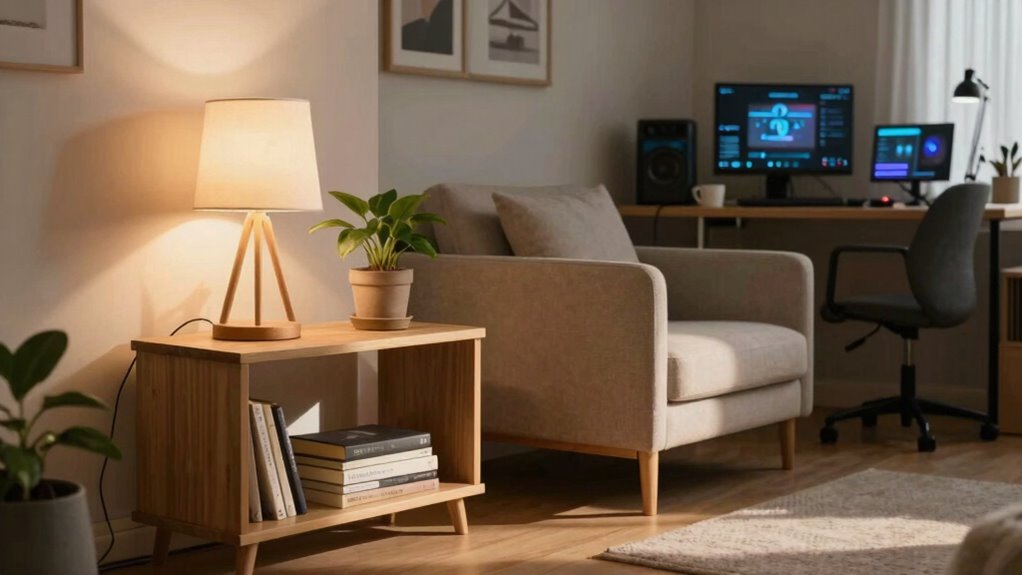

Simple systems are better for your home because they’re flexible, reliable, and easy to upgrade as your needs change. They allow you to swap or add components without major disruptions, reducing compatibility issues and minimizing risks of obsolescence. Less complexity means fewer failures and easier maintenance, helping your system stay dependable over time. If you want to discover how simplicity can save you time, money, and frustration, there’s more to explore.

Get garden gear delivered free with Prime
- Fast, free delivery on millions of items
- Prime Video, Amazon Music and more included
- Member-only deals all year
Key Takeaways
- Simple systems are easier to upgrade and customize as needs evolve, reducing long-term obsolescence risks.
- They offer greater reliability with fewer components, minimizing failures and simplifying troubleshooting.
- Simplicity allows seamless integration of new devices and technologies without major disruptions.
- Simple setups are more adaptable, enabling gradual improvements without complete overhauls.
- They reduce compatibility and ecosystem lock-in issues, providing flexibility and future-proofing.

While a highly automated system might seem ideal because it can do everything for you, it often locks you into specific brands or ecosystems. This rigidity makes it difficult to adapt or expand your setup later. If you want to add a new device or change a feature, you might find yourself limited by compatibility issues or forced to overhaul the entire system. On the other hand, simple systems are more adaptable. You can swap out or upgrade individual components without risking a domino effect of failures. That flexibility allows you to tailor your home environment gradually, based on your evolving needs and preferences. Additionally, embracing simple, effective solutions can lead to more consistent and reliable performance over time, especially when considering systems thinking principles that promote modularity and adaptability. This approach also minimizes technological obsolescence, allowing your home setup to remain functional and relevant longer. By focusing on modular design, you can easily incorporate new technologies as they become available without disrupting your entire system. Incorporating interoperable components further enhances this adaptability, ensuring your system remains flexible and future-proof.
As an affiliate, we earn on qualifying purchases.
Frequently Asked Questions
How Do Simple Systems Adapt to Changing Household Needs?
You can adapt simple systems to changing household needs by focusing on household flexibility and system scalability. When needs shift, you easily tweak or expand these systems without overhauling everything. For example, adding new storage or adjusting routines becomes straightforward, allowing your home to evolve smoothly. This flexibility keeps your setup efficient and stress-free, ensuring your household stays organized and functional as your needs grow and change over time.
Can Simple Systems Handle Complex Home Tasks Effectively?
Think of simple systems as a skilled chef handling a busy kitchen—they can tackle complex home tasks efficiently. By focusing on automation efficiency and user flexibility, these systems adapt smoothly to changing needs. They might not be overly intricate, but their straightforward design allows you to manage multiple tasks with ease. You won’t get lost in unnecessary features; instead, you’ll enjoy seamless control, making even complicated chores feel manageable.
What Are Common Mistakes When Simplifying Home Systems?
A common mistake when simplifying home systems is overlooking automation challenges, which can cause delays or errors. You might also neglect user training, making it hard for everyone to use the system effectively. Failing to test the simplified system thoroughly can lead to surprises later. To avoid these mistakes, make certain you anticipate automation challenges and provide clear instructions, so everyone feels confident using the new setup.
How Cost-Effective Are Simple Systems Compared to Perfect Ones?
Simple systems are often more cost-effective than perfect ones because they focus on essential features that boost energy efficiency and user friendliness without unnecessary complexity. Think of them as the lean, agile runner in a race—swift and streamlined. By avoiding over-engineering, you save on installation and maintenance costs, while still enjoying improved energy efficiency and ease of use. This practical approach often delivers better value for your money.
Do Simple Systems Require Less Maintenance Than Perfect Systems?
Yes, simple systems generally require less maintenance because their design emphasizes automation efficiency and fewer components, reducing potential points of failure. With greater customization flexibility, you can easily adjust or upgrade simple systems without complicated procedures. This simplicity means you spend less time troubleshooting and more time enjoying the benefits. Overall, their straightforward setup keeps maintenance manageable, making them a more practical choice for hassle-free home management.
Conclusion
Remember, a simple system is like a steady lighthouse guiding you through life’s storms—consistent and reliable. A perfect system, while shining bright, can sometimes cast blinding shadows that obscure your path. By embracing simplicity, you hold a lantern that illuminates your journey, not just the destination. In the end, it’s not about having a flawless map, but trusting your steady light to lead you safely home. Sometimes, less truly is more.
Halloween Picks
halloween
As an affiliate, we earn on qualifying purchases.