
Good design helps lower energy use by optimizing natural light, airflow, and building orientation, reducing reliance on costly technology. By choosing materials with better insulation and designing spaces that work with natural processes, you can cut heating, cooling, and lighting needs from the start. This approach creates sustainable, comfortable environments without extra gadgets. If you keep exploring, you’ll discover how thoughtful design principles make a lasting impact on energy efficiency before technology takes over.
Key Takeaways
- Proper building orientation and passive design strategies reduce reliance on mechanical heating and cooling.
- Natural light, insulation, and airflow considerations minimize energy needs from the outset.
- Material choices enhance thermal performance, decreasing the demand for energy-intensive systems.
- Design features encourage occupant behaviors like natural ventilation and lighting use, lowering energy consumption.
- Integrating ecological elements promotes natural cooling and lighting, reducing dependence on technological solutions.
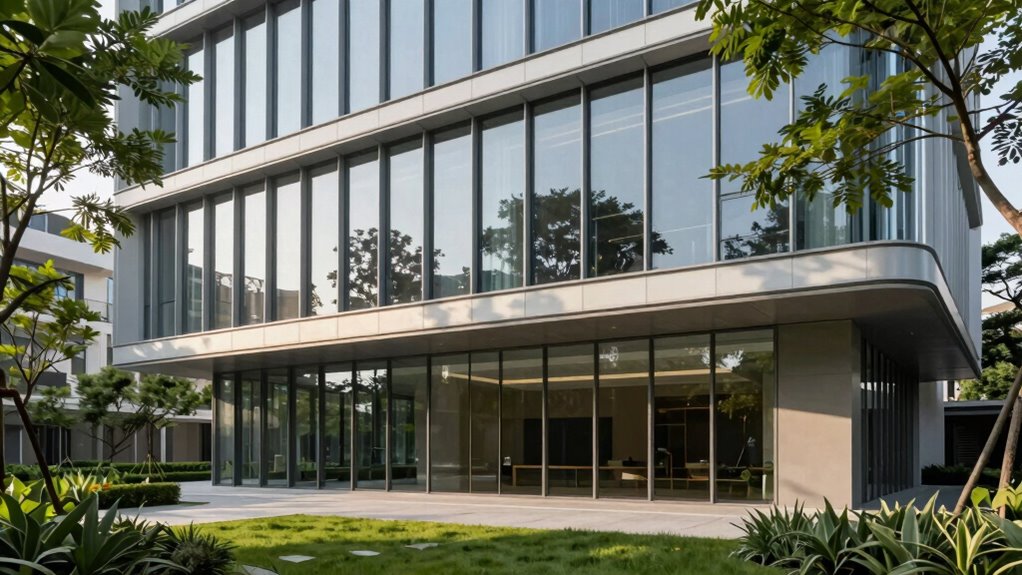
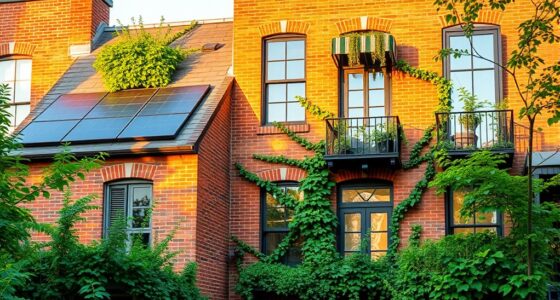
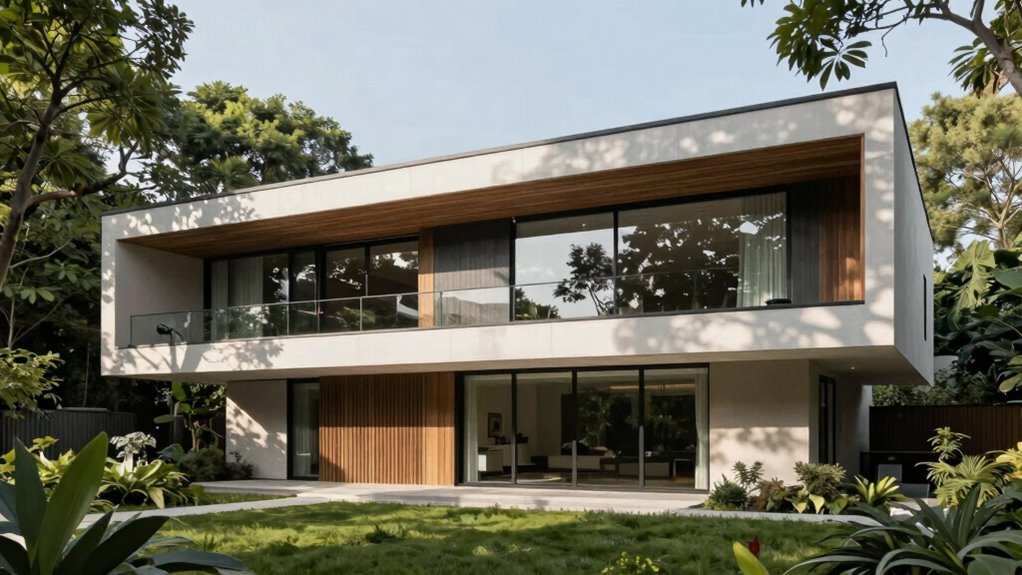
While technological advances often grab the spotlight, good design plays a crucial role in reducing energy consumption from the start. When you focus on architectural efficiency, you’re shaping spaces that naturally use less energy without relying solely on future tech. Well-designed buildings take into account factors like natural light, insulation, and airflow, which can dramatically cut down on heating, cooling, and lighting needs. For instance, positioning windows to maximize sunlight during winter while minimizing heat gain in summer can make a noticeable difference in energy bills. You’re not just creating a visually appealing space—you’re designing for sustainability from the ground up. Incorporating biodiversity into the design process can further enhance natural cooling and lighting, reducing reliance on mechanical systems. Equally important is understanding the behavioral impact of good design. When spaces encourage energy-conscious behavior, you make it easier for occupants to reduce their consumption without feeling like they’re making sacrifices. Simple elements like intuitive lighting controls, natural ventilation, and accessible outdoor views influence how people interact with their environment. The better the design, the more likely occupants are to turn off unused lights, open windows instead of running air conditioning, or use natural daylight rather than artificial lighting. You shape habits simply by designing environments that promote these behaviors, reducing reliance on energy-intensive technology. Additionally, building orientation can significantly influence how energy-efficient a space becomes over time. Properly considering passive design strategies can further optimize energy savings without additional technological input. Moreover, selecting appropriate building materials can further reduce energy demands by improving insulation and thermal performance, making the space inherently more efficient.
Architectural efficiency isn’t about sacrificing comfort or style; it’s about integrating energy-saving principles seamlessly into the design. Think of it as creating a habitat that works with nature rather than against it. For example, building orientation and materials can reduce the need for mechanical systems, lessening your dependency on energy-consuming devices. When you optimize these elements, you’re not just saving energy—you’re also creating healthier, more comfortable spaces that encourage occupants to behave in environmentally friendly ways.
As an affiliate, we earn on qualifying purchases.
Frequently Asked Questions
How Does Building Orientation Impact Energy Efficiency?
Your building’s orientation considerably impacts energy efficiency by optimizing natural light and heat. Proper orientation allows you to maximize solar gain in winter and minimize it in summer, reducing reliance on artificial heating and cooling. Incorporate thermal insulation to retain desired temperatures and solar shading to block excess heat, enhancing overall efficiency. By aligning your building with the sun’s path, you can lower energy consumption naturally, saving costs and reducing environmental impact.
What Role Do Natural Lighting Strategies Play?
Imagine sunlight pouring through windows, filling a room with warm, natural glow—that’s the power of natural lighting strategies. By implementing daylight harvesting and passive illumination, you reduce reliance on electric lighting, lowering energy use. These strategies optimize sunlight’s flow, creating bright, inviting spaces while conserving energy. You harness nature’s gift, making your building more efficient and comfortable, all without turning on a single light switch.
Can Simple Design Changes Reduce Energy Costs Immediately?
Yes, simple design changes can reduce your energy costs immediately. By choosing sustainable materials, you improve efficiency and durability. Incorporating passive cooling strategies, like proper ventilation and shading, minimizes the need for air conditioning. These small adjustments enhance comfort and cut energy use right away, showing how thoughtful design can make a significant difference without relying on advanced technology.
How Does User Behavior Influence Energy Savings?
Your behavior has a big impact on energy savings. By practicing behavior modification, such as turning off lights when not in use or adjusting thermostats, you reduce unnecessary energy consumption. Engaging actively with energy-efficient practices increases awareness and motivation. When you participate in user engagement programs or follow eco-friendly habits, you help lower overall energy use, making a significant difference in your home’s efficiency and environmental impact.
Are There Cost-Effective Design Options for Existing Buildings?
Did you know that retrofitting existing buildings can cut energy costs by up to 30%? Cost-effective design options include leveraging retrofit incentives to offset upgrade costs and focusing on strategic material selection to improve insulation and energy efficiency. These approaches are affordable and impactful, allowing you to enhance building performance without heavy investments. By prioritizing smart design choices, you can achieve significant energy savings without extensive renovations.
Conclusion
By paying attention to good design, you gently steer your space toward greater energy efficiency, often before relying on new technology. Thoughtful layouts and mindful choices can create a more sustainable environment without the need for drastic changes. It’s like giving your home or office a subtle nudge toward better habits, making energy savings feel natural and effortless. So, embrace smart design—sometimes, it’s the quiet, effective way to make a lasting difference.