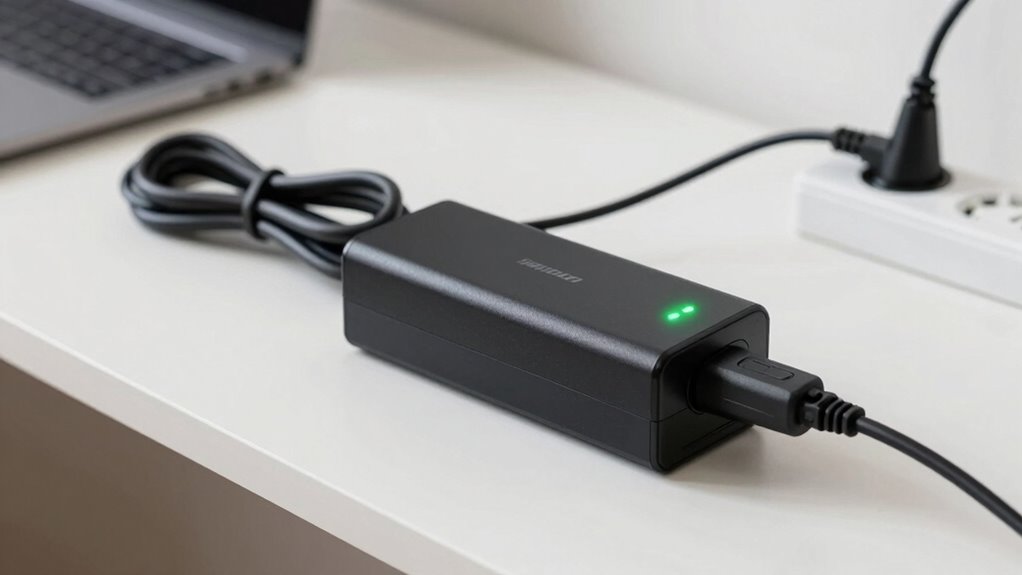

To reduce fire risk, always follow proper charging habits. Disconnect the charger once your battery reaches 100%, avoid overcharging, and only use manufacturer-approved chargers. Charge your e-bike in a cool, dry environment, and keep an eye out for overheating or swelling during charging. Routine monitoring and adhering to recommended procedures help prevent dangerous issues. Want to know more essential safety tips? Continue to discover how careful habits safeguard your e-bike’s battery and your safety.
Key Takeaways
- Disconnect the charger once the battery reaches full charge to prevent overcharging and overheating.
- Use only manufacturer-approved or compatible chargers to avoid damage and fire hazards.
- Charge in a cool, dry environment away from extreme temperatures to maintain safety and battery health.
- Regularly monitor the battery during charging for signs of overheating, swelling, or other issues.
- Avoid frequent deep discharges and limit rapid charging to reduce battery stress and fire risk.
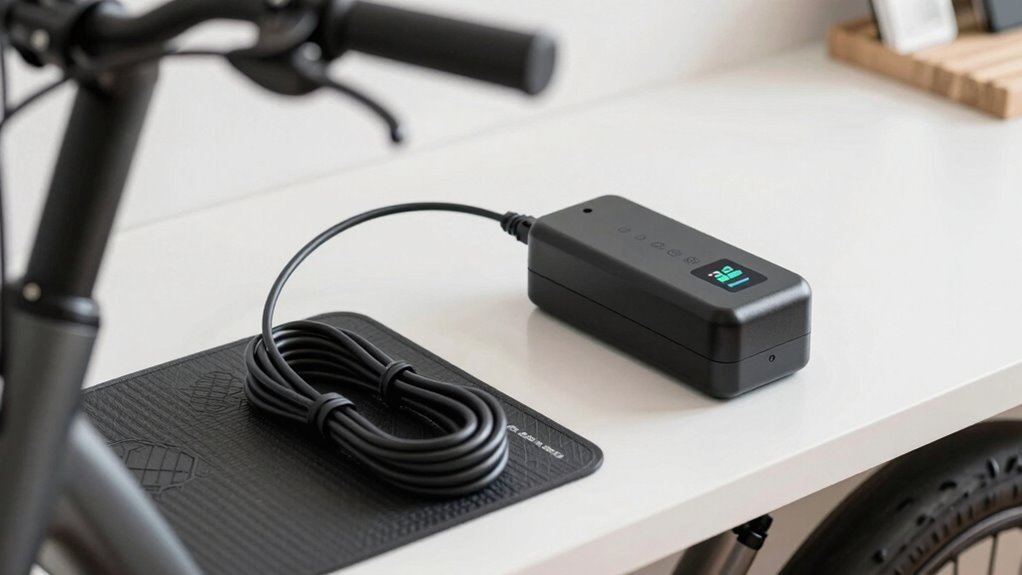
E-bike batteries have become a popular choice for eco-friendly transportation, but they also pose safety risks if not handled properly. One critical aspect to consider is how your charging habits impact battery health and safety. Proper charging practices can markedly reduce the risk of fire and extend the lifespan of your battery. Over time, batteries naturally degrade, a process known as battery degradation, which can lead to reduced performance and potential safety hazards. This degradation often results from improper charging habits, such as overcharging, charging at extreme temperatures, or using incompatible chargers. To prevent this, you should always follow the manufacturer’s recommended charging procedures.
Proper charging habits extend e-bike battery life and reduce safety risks like fires.
First, avoid leaving your e-bike battery plugged in for extended periods after it’s fully charged. Overcharging causes stress on the battery and accelerates degradation, increasing the risk of overheating or swelling, which could lead to fire hazards. Instead, aim to disconnect the charger once the battery reaches 100%. Use only the charger supplied by the manufacturer or one approved for your specific battery model, as incompatible chargers can deliver incorrect voltage or current, damaging the battery and increasing safety risks. Keep in mind that charging at the right time, before the battery drops to a very low level, helps maintain ideal battery health. Regularly charging your e-bike before the battery becomes completely drained helps mitigate stress and prolongs its lifespan.
Temperature is another critical factor during charging. Avoid charging your battery in extremely hot or cold environments, as temperature extremes can accelerate battery degradation and compromise safety. Charging in a cool, dry place is ideal. If your battery heats up during charging, it’s a sign that something might be wrong—stop charging immediately and check for issues. Additionally, avoid frequent deep discharges and overuse of rapid charging features, which can cause quicker battery wear and increase fire risk. Adopting consistent charging routines aligned with the manufacturer’s recommendations helps keep your battery safe and functioning well for longer periods. Being aware of free floating conditions can also help prevent accidental damage or hazards during charging.
Ultimately, understanding and practicing good charging habits is essential for safe e-bike use. Properly maintaining your battery through correct charging practices not only reduces fire risks but also preserves the battery’s capacity over time. Always monitor your battery during charging, avoid overcharging, use appropriate chargers, and keep your battery in a suitable environment. These simple steps can make a great difference in ensuring your e-bike remains a safe, reliable mode of transportation while extending its overall lifespan.

EVAPLUS 54.6V 1.5A Smart Charger for 48V Lithium Batteries – UL Certified, Fast Charging with Multi-Safety Protection, Compatible with Electric Bikes/Scooters, DC 5.5 * 2.5/2.1mm Connector
Universal Fast Charging Performance: Designed specifically for 48V lithium-ion batteries (13S configuration), this 54.6V 1.5A smart charger delivers…
As an affiliate, we earn on qualifying purchases.
As an affiliate, we earn on qualifying purchases.
Frequently Asked Questions
Can I Leave My E-Bike Charging Overnight Safely?
Yes, you can leave your e-bike charging overnight if you follow safety precautions. Make sure to use the charger that came with your bike, avoid overcharging, and unplug once fully charged. Place your bike on a stable, fire-resistant surface in a well-ventilated area. Regularly check the charger and battery for signs of damage. These precautions help reduce fire risk during overnight charging.
What Should I Do if My Battery Overheats During Charging?
Well, if your battery overheats during charging, don’t pretend it’s just a sauna day for your e-bike. First, unplug it immediately—no heroic firefighting. Move the battery to a non-flammable surface, and call emergency response if it’s smoking or swelling. Remember, overheating isn’t just a minor hiccup; it’s a cry for help from your battery, so treat it with the seriousness it deserves to prevent a fiery fiasco.
Are Third-Party Chargers Safe for My E-Bike Battery?
You should be cautious with third-party chargers for your e-bike battery. Confirm the charger is compatible with your battery’s specifications to avoid damage. Using an incompatible charger can void your battery warranty and increase fire risk. Stick with the original manufacturer’s charger or a certified alternative recommended for your model. This way, you protect your battery’s longevity and safety while maintaining your warranty coverage.
How Often Should I Replace My E-Bike Battery for Safety?
You should replace your e-bike battery when it reaches its battery lifespan, typically after 300-500 charge cycles or about 2-3 years of regular use. Keep an eye on performance; if you notice reduced range or longer charging times, it’s time for a replacement. Following proper maintenance and charging habits can extend your battery’s lifespan, but adhering to recommended replacement intervals guarantees your safety and peak e-bike performance.
Is It Safe to Charge My E-Bike in Extreme Temperatures?
Charging your e-bike in extreme temperatures isn’t safe. High or low temperatures can damage your battery, so you should prioritize temperature management. Always charge your e-bike indoors in a cool, dry place and avoid direct sunlight or freezing conditions. Using proper battery insulation helps protect it from temperature fluctuations. By controlling the environment and insulation, you reduce the risk of fire and prolong your battery’s lifespan.

Charger for All LECTRIC E Bikes AC Adapter – Upgraded
Compatible with all Lectric brand E Bikes
As an affiliate, we earn on qualifying purchases.
As an affiliate, we earn on qualifying purchases.
Conclusion
By following safe charging habits, you can markedly reduce the risk of e‑bike fires. It’s funny how a simple routine—using the right charger, avoiding overcharging, and charging in a safe spot—can make such a difference. Sometimes, a small change in your daily routine can prevent major accidents. So next time you charge your e‑bike, remember these tips. It’s a coincidence how safety and peace of mind often go hand in hand—just like your ride.

E-Bike LCD Display Monitor 24V 36V 48V Electric Bike Computer Screen with Waterproof 5 Pin Interface Cable for Handlebar Mount Black ABS Material
[WATERPROOF DESIGN]: This GD01 5 Pin Display for Electric Bike features advanced waterproof construction to protect internal circuitry…
As an affiliate, we earn on qualifying purchases.
As an affiliate, we earn on qualifying purchases.

SkyRC Temperature Sensor Probe, For Use With LiPo Chargers
As an affiliate, we earn on qualifying purchases.
As an affiliate, we earn on qualifying purchases.