The best compact trees for attracting birds offer food, shelter, or nesting cover without taking over a small yard. My best overall pick is Don’s Dwarf Wax Myrtle, a compact evergreen choice with berries and year-round cover; Washington Hawthorn stands out for fruit and sturdy structure, while Red Buckeye brings early-season flowers that can draw hummingbirds. The main tradeoff is between a plant’s mature size and the kind of bird habitat it provides: berries, blooms, dense branches, or winter shelter. Climate fit and patience matter too, since young plants may take time to provide meaningful cover or food. Read on for the full breakdown and a guide to choosing a tree that suits both your space and local birds.

Get garden gear delivered free with Prime
- Fast, free delivery on millions of items
- Prime Video, Amazon Music and more included
- Member-only deals all year
Complete the kit


Key Takeaways
- Don’s Dwarf Wax Myrtle leads for buyers seeking an evergreen, compact option that can combine fruit with year-round cover.
- Washington Hawthorn offers a different bird benefit from the flowering picks: fruit and branching structure, though its mature size and thorny growth need room and careful placement.
- Red Buckeye and the dogwoods prioritize flowers over persistent winter shelter, making them better fits for buyers who value seasonal blooms and pollinator activity.
- Dwarf Alberta Spruce and Bird’s Nest Spruce provide dense evergreen cover, but they are less compelling if a buyer’s main goal is a dependable edible crop for birds.
- Several listings are young plants or starter pots, so the compact size at delivery should not be mistaken for mature size or immediate bird habitat.
| Dwarf Alberta Spruce (Picea glauca ‘Conica’), #2 Container |  | Best for Year-Round Shelter | Plant type: Evergreen shrub | Mature height: 6–8 ft | Mature spread: 3–4 ft | VIEW LATEST PRICE | See Our Full Breakdown |
| American Plant Exchange Dogwood Tree ‘Cloud 9’, 3-Gallon Pot |  | Best for Multi-Season Garden Interest | Variety: Cloud 9 | Plant type: Live dogwood tree | Expected height: 15 ft | VIEW LATEST PRICE | See Our Full Breakdown |
| Washington Hawthorn Live Trees (Crataegus phaenopyrum), 2 Trees |  | Best for Berry-Seeking Birds | Scientific name: Crataegus phaenopyrum | Quantity: Title says 2 trees; description says 3 trees | Sunlight: Partial shade | VIEW LATEST PRICE | See Our Full Breakdown |
| Red Buckeye Trees, 10–16 Inches Tall, Quart Pots, 2-Pack |  | Best for Hummingbird Flowers | Scientific name: Aesculus pavia | Quantity: 2 trees | Plant height: Approximately 10–16 inches | VIEW LATEST PRICE | See Our Full Breakdown |
| Pink Flowering Dogwood Tree (Cornus florida), Quart Pot, 6–12 Inches Tall |  | Best Starter Tree for Seasonal Variety | Botanical name: Cornus florida | Plant type: Deciduous tree | Pot size: Quart | VIEW LATEST PRICE | See Our Full Breakdown |
| Perfect Plants Little Gem Magnolia Tree, 1–2 ft Live Plant |  | Best for Fragrant Spring Blooms | Plant height: 1–2 ft | Mature height: 20–25 ft | Mature width: 10–15 ft | VIEW LATEST PRICE | See Our Full Breakdown |
| 6 Live Japanese Blueberry Plants (Elaeocarpus decipiens) |  | Best for Bird-Friendly Screening | Quantity: Title states 6 plants; description also states 4 | Scientific name: Elaeocarpus decipiens | Plant type: Outdoor tree | VIEW LATEST PRICE | See Our Full Breakdown |
| Brighter Blooms Austrian Pine Tree, 1–2 ft. |  | Best for Urban Evergreen Cover | Plant height: 1–2 ft | Mature height: Up to 50 ft | Plant type: Outdoor evergreen tree | VIEW LATEST PRICE | See Our Full Breakdown |
| Red Cluster Clemson Bottlebrush Tree, 4-Inch Starter Pot |  | Best for Hummingbird Gardens | Scientific name: Callistemon rigidus cultivar | Plant type: Live outdoor shrub/tree | Pot size: 4 in | VIEW LATEST PRICE | See Our Full Breakdown |
| Don’s Dwarf Wax Myrtle, 3-Gallon Plant with Planting Kit | 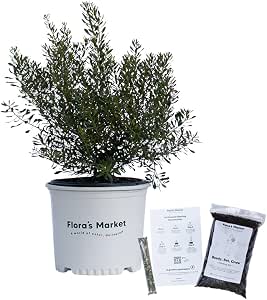 | Best Compact Berry-Bearing Pick | Botanical name: Morella cerifera ‘Don’s Dwarf’ | Container size: 3 gallons | Mature size: 3–4 ft tall and wide | VIEW LATEST PRICE | See Our Full Breakdown |
| Bird’s Nest Spruce (Picea abies ‘Nidiformis’), 3-Gallon Container |  | Best for Year-Round Shelter | Plant type: Evergreen shrub | Container size: 3-gallon trade pot | Mature height: 2–3 ft | VIEW LATEST PRICE | See Our Full Breakdown |
| compact trees for attracting bird | Plant type | Sunlight | Mature height |
|---|---|---|---|
| Dwarf Alberta Spruce | Evergreen shrub | Full sun or partial shade | 6–8 ft |
| American Plant Exchange Dogwoo | Live dogwood tree | Partial shade | — |
| Washington Hawthorn Live Trees | — | Partial shade | — |
| Red Buckeye Trees | — | Full sun in specs; partial-shade tolerance in description | 15–25 ft |
| Pink Flowering Dogwood Tree | Deciduous tree | Full sun in specs; sunny or partially shaded gardens in description | — |
| Perfect Plants Little Gem Magn | Live evergreen tree | Full sun | 20–25 ft |
| 6 Live Japanese Blueberry Plan | Outdoor tree | — | 15–20 ft |
| Brighter Blooms Austrian Pine | Outdoor evergreen tree | Partial shade | Up to 50 ft |
| Red Cluster Clemson Bottlebrus | Live outdoor shrub/tree | Full sun; 6–8 hours daily | 12–15 ft |
| Don’s Dwarf Wax Myrtle | — | — | — |
| Bird’s Nest Spruce | Evergreen shrub | — | 2–3 ft |
More Details on Our Top Picks
Dwarf Alberta Spruce (Picea glauca ‘Conica’), #2 Container
I’d choose this compact evergreen for steady cover rather than a tree that draws birds with flowers or fruit. Its dense, pyramidal form stays green through the year, giving small birds more consistent shelter than the seasonal berries on Washington Hawthorn. At 6–8 feet tall and 3–4 feet wide, it also takes less room than Cloud 9 Dogwood, which can spread 15–20 feet. The tradeoff is that the listing describes no flowers, fruit, or other direct food source, so its bird appeal is mainly protective cover. It grows in full sun or partial shade and is described as slow-growing and low maintenance. This is a practical fit where dependable structure matters more than a seasonal feeding opportunity, though it still needs outdoor planting in suitable weather.
Pros:- Dense evergreen, pyramidal form offers shelter across seasons
- Mature spread of 3–4 feet suits tighter planting spaces
- Grows in full sun or partial shade
- Fully rooted and supplied with planting and care instructions
Cons:- No bird-attracting berries or flowers are specified
- Its 6–8-foot mature height may be too small for buyers seeking a larger canopy
- Planting depends on suitable outdoor weather
Best for: Gardeners with a narrow planting area who want year-round evergreen cover for birds and a slow-growing, manageable shape.
Not ideal for: Buyers prioritizing bird food, berries, or showy blooms, since the product details describe shelter and foliage but no fruit or flowers.
- Plant type:Evergreen shrub
- Mature height:6–8 ft
- Mature spread:3–4 ft
- Sunlight:Full sun or partial shade
- Planting zones:3–8
- Soil type:Clay soil
- Soil moisture:Moderate watering
- Container size:#2
Our verdict“Choose this spruce for compact, year-round bird cover, not as a primary source of flowers or fruit.”
American Plant Exchange Dogwood Tree ‘Cloud 9’, 3-Gallon Pot
Cloud 9 Dogwood offers a broader seasonal display than the Dwarf Alberta Spruce: large white spring blooms give way to green summer foliage, red fall color, and winter structure. The listing also says it attracts birds and pollinators, making it a more varied wildlife pick than the evergreen spruce, whose listed appeal is chiefly cover. Its mature spread of 15–20 feet, however, makes it a poor match for the tightest gardens; Washington Hawthorn is described as having a compact, rounded canopy and is the stronger fit when space is limited. Cloud 9 grows in partial shade and suits zones 5–9, but young trees need consistently moist soil. I’d favor it where there is room for a substantial small tree and the gardener can keep up with watering, rather than for a low-attention, narrow-space planting.
Pros:- Large white spring blooms add a strong seasonal display
- Green summer foliage, red fall color, and winter structure extend garden interest
- Product description states that it attracts birds and pollinators
- Partial-shade exposure suits sites with less than full sun
Cons:- Mature spread of 15–20 feet is too large for many compact gardens
- Young trees need consistently moist soil
- Bird food value is not specified as clearly as the berry-bearing Washington Hawthorn
Best for: Gardeners in zones 5–9 with room for a 15–20-foot spread who want spring flowers, fall color, and stated bird and pollinator appeal.
Not ideal for: People with very small yards or dry planting sites, because the tree can spread widely and young specimens need consistently moist soil.
- Variety:Cloud 9
- Plant type:Live dogwood tree
- Expected height:15 ft
- Mature spread:15–20 ft
- Pot size:3 gallons
- USDA hardiness zones:5–9
- Sunlight:Partial shade
- Soil moisture:Moderate watering; consistently moist soil when young
- Blooming period:Spring to summer
Our verdict“Pick Cloud 9 if you have space and can water a young tree regularly; choose Washington Hawthorn for a more compact berry-bearing option.”
Washington Hawthorn Live Trees (Crataegus phaenopyrum), 2 Trees
For a compact planting with a direct food cue for birds, Washington Hawthorn is the clearest fit in this group: its red berries persist into fall and winter, unlike the spring-only flower display of Red Buckeye. White spring flowers and green summer foliage add interest before the berries appear, while the rounded canopy is described as suitable for smaller yards. The listing gives little detail on mature dimensions, so I wouldn’t treat “compact” as a guarantee of a particular footprint; Cloud 9 Dogwood, by contrast, has a stated 15–20-foot spread. There is also a material ordering uncertainty: the title says two trees, while the description says three. I’d rank it highly for its berry-led bird appeal, but recommend confirming the supplied quantity and checking local size expectations before planting.
Pros:- Red berries persist into fall and winter and attract birds and other wildlife
- White spring flowers and green summer foliage add seasonal variety
- Rounded canopy is described as suitable for smaller yards
- Offers a more direct bird-food feature than the flower-focused Red Buckeye
Cons:- Listing conflicts on quantity: title says two trees, description says three
- No mature height or spread is provided
- Sunlight information specifies partial shade but gives no further site guidance
Best for: Bird-focused gardeners seeking a smaller-yard tree with red berries that can provide a seasonal food source into fall and winter.
Not ideal for: Buyers who need a precisely sized planting plan or a confirmed quantity, since mature dimensions are not supplied and the listing conflicts on whether it includes two or three trees.
- Scientific name:Crataegus phaenopyrum
- Quantity:Title says 2 trees; description says 3 trees
- Sunlight:Partial shade
- Flower color:White
- Berry color:Red
- Seasonal foliage:Green summer foliage
Our verdict“Choose Washington Hawthorn for compact-yard berry appeal, provided you verify the quantity and confirm its mature size for your site.”
Red Buckeye Trees, 10–16 Inches Tall, Quart Pots, 2-Pack
Red Buckeye is the most targeted choice here for gardeners hoping to draw hummingbirds with spring flowers: its bright red flower clusters are identified as an attraction, and the two-pack gives buyers a pair of young trees to plant. That makes its wildlife draw more specific than Cloud 9 Dogwood’s broader bird-and-pollinator appeal. The compromise is timing and scale. Flowers appear in spring, while Washington Hawthorn’s berries persist into fall and winter; established Red Buckeye can also reach 15–25 feet, so the quart-pot starters are not permanently miniature trees. The listing says it tolerates partial shade in the description but lists full sun in the specs, so site-light guidance is inconsistent. I’d consider it for a gardener with room to let two trees mature and who values a seasonal hummingbird draw over year-round food.
Pros:- Bright red spring flower clusters are described as attracting hummingbirds
- Two trees are included in quart pots
- Partial-shade tolerance is stated in the description
- Moderate watering needs are listed
Cons:- Mature height of 15–25 feet may exceed compact-garden limits
- Flower-based attraction is seasonal rather than a stated year-round food source
- Sunlight guidance conflicts: description says partial shade, specs say full sun
Best for: Gardeners with space for two flowering trees who want spring blooms specifically described as attracting hummingbirds.
Not ideal for: People seeking a permanently small tree, fall-and-winter bird food, or unambiguous guidance on sun exposure.
- Scientific name:Aesculus pavia
- Quantity:2 trees
- Plant height:Approximately 10–16 inches
- Pot size:Quart pots
- Mature height:15–25 ft
- Bloom period:Spring
- Sunlight:Full sun in specs; partial-shade tolerance in description
- USDA hardiness zone:4–8
- Watering needs:Moderate
Our verdict“Pick Red Buckeye for spring hummingbird appeal if you can accommodate its mature size and resolve the conflicting sun guidance.”
Pink Flowering Dogwood Tree (Cornus florida), Quart Pot, 6–12 Inches Tall
This quart-pot dogwood starter suits buyers who want several seasonal cues in a single deciduous tree: pink spring blooms, red berries in late summer, and burgundy autumn foliage. The berries give it a more direct listed bird-food feature than Red Buckeye, whose appeal centers on spring flowers for hummingbirds. At just 6–12 inches tall in its pot, it is a small starting plant, not an immediately established canopy; Cloud 9 Dogwood is supplied in a larger 3-gallon pot and has stated mature dimensions, while this listing does not provide a mature height or spread. Regular watering is required, and the specs list full sun even though the description says sunny or partially shaded gardens. I’d choose it for a patient gardener who wants seasonal variety and can provide consistent moisture, not for someone needing quick cover or a clear final-size estimate.
Pros:- Pink spring blooms, late-summer red berries, and burgundy autumn foliage provide several seasonal features
- Berries can attract songbirds
- Quart-pot starter at 6–12 inches is manageable to handle and plant
- Listed for USDA zones 5–9
Cons:- Regular watering is required
- No mature height or spread is supplied
- Sunlight information differs between the description and specs
Best for: Patient gardeners who want a small, handleable dogwood starter with spring color, late-summer berries, and autumn foliage for a zone 5–9 garden.
Not ideal for: Buyers seeking an immediate bird-shelter canopy, a specified mature footprint, or a low-watering tree.
- Botanical name:Cornus florida
- Plant type:Deciduous tree
- Pot size:Quart
- Plant height:6–12 inches
- Flower color:Pink
- Expected blooming period:Spring to summer
- Sunlight:Full sun in specs; sunny or partially shaded gardens in description
- USDA hardiness zone:5–9
- Moisture needs:Regular watering
Our verdict“Choose this dogwood starter for seasonal color and berry appeal if you can wait for it to grow and keep its soil watered.”
Perfect Plants Little Gem Magnolia Tree, 1–2 ft Live Plant
I’d choose Little Gem Magnolia when fragrant flowers and evergreen cover matter as much as attracting birds. Its creamy white blooms offer seasonal interest, while glossy foliage stays on the tree beyond flowering season. The narrow habit is easier to fit than a broad-spreading flowering tree such as the Cloud 9 Dogwood, and the listing says it generally needs little pruning to hold its shape. The main tradeoff is that “compact” describes its form, not its final footprint: at 20–25 feet tall and 10–15 feet wide, it needs room to mature. The listing also gives conflicting bloom seasons, so I wouldn’t choose it for a tightly timed display. It suits buyers seeking an evergreen specimen with flowers, but it is less directly bird-focused than the berry-producing Don’s Dwarf Wax Myrtle.
Pros:- Fragrant, creamy white flowers add seasonal interest
- Evergreen foliage provides cover outside the bloom period
- Narrow growth habit needs less shaping than a broad tree
- Plant food is included
Cons:- Mature size of 20–25 feet tall and 10–15 feet wide exceeds many compact-yard limits
- Shipping is unavailable to Arizona and California
- Listing gives inconsistent bloom-season information
Best for: Gardeners with room for a narrow, medium-size evergreen tree who want fragrant flowers and year-round foliage alongside bird-friendly planting.
Not ideal for: Small-yard growers who need a genuinely low-growing tree, or buyers in Arizona or California where shipping is unavailable.
- Plant height:1–2 ft
- Mature height:20–25 ft
- Mature width:10–15 ft
- Plant type:Live evergreen tree
- Flower details:Creamy white, 4–6 in
- Sunlight:Full sun
- Water needs:Moderate
- Included:Plant food
- Shipping restriction:Does not ship to Arizona or California
Our verdict“Choose Little Gem Magnolia if you have space for a narrow evergreen tree and value fragrant blooms, but pick Don’s Dwarf Wax Myrtle for a smaller bird-focused planting.”
6 Live Japanese Blueberry Plants (Elaeocarpus decipiens)
This six-plant Japanese blueberry listing makes the most sense for buyers who want to build a bird-attracting hedge or privacy screen, rather than add one small specimen tree. Evergreen leaves with red accents give the planting visual interest, and the listed blooms and berries can draw birds and bees. Compared with the single Little Gem Magnolia, the bundle offers several plants for a continuous screen, but each tree can reach 15–20 feet, so this is not a low border choice. Its stated hardiness range is limited to USDA zones 8–11, which rules it out for many colder gardens. I’d also verify the shipment quantity before ordering: the title says six plants, while another part of the description says four. That discrepancy makes the bundle less predictable than the single-plant options here.
Pros:- Multiple plants can form a privacy screen or hedge
- Evergreen foliage has glossy green leaves with red accents
- Description says blooms and berries attract birds and bees
- Suitable for outdoor planting in USDA zones 8–11
Cons:- Mature height of 15–20 feet is too large for many compact gardens
- Listing conflicts on whether the shipment includes four or six plants
- Hardiness range excludes colder regions
Best for: Gardeners in USDA zones 8–11 who have space for a multi-plant evergreen screen and want to combine privacy planting with bird and bee activity.
Not ideal for: Small-lot owners, gardeners outside zones 8–11, or anyone who needs a confirmed plant count before planning a hedge.
- Quantity:Title states 6 plants; description also states 4
- Scientific name:Elaeocarpus decipiens
- Plant type:Outdoor tree
- Mature height:15–20 ft
- USDA hardiness zones:8–11
- Nursery cube size:2.5 in
- Foliage:Evergreen, glossy green with red accents
- Planting use:Hedges and privacy screens
Our verdict“Pick this bundle for a warm-climate bird-friendly screen, but choose Don’s Dwarf Wax Myrtle if you need a more compact, clearly sized planting.”
Brighter Blooms Austrian Pine Tree, 1–2 ft.
I’d rank this Austrian Pine for buyers who need a tough evergreen screen in a polluted or urban setting, not for those seeking the strongest bird-food features. Its reported tolerance of smog and pollution may make it more adaptable near busy streets than the flowering Red Cluster Clemson Bottlebrush, which needs abundant direct sun and protection from frost. The pine is also deer resistant, a useful advantage where browsing threatens young plantings. But its stated mature height of 50 feet sharply limits its fit in a roundup of compact trees; the starter plant’s 1–2-foot size should not be mistaken for its eventual scale. The listing supplies no berry or flower details to support a direct food source for birds. I’d treat it as a long-term cover tree and confirm local shipping eligibility before buying.
Pros:- Described as tolerant of pollution and smog
- Evergreen growth can provide long-term screening and cover
- Deer resistant
- Plant warranty covers delivery damage and guarantees healthy, true-to-type plants
Cons:- Mature height of up to 50 feet is not suitable for many compact gardens
- Listing does not specify berries or flowers as bird food
- Shipping is unavailable to Alaska, Arizona, Hawaii, Oregon, and Wisconsin
Best for: Urban and suburban gardeners who can accommodate a tall evergreen and want pollution tolerance, deer resistance, and screening potential.
Not ideal for: Small-yard owners or bird gardeners prioritizing berries, nectar-rich flowers, or a tree that stays compact at maturity.
- Plant height:1–2 ft
- Mature height:Up to 50 ft
- Plant type:Outdoor evergreen tree
- Sunlight:Partial shade
- Soil type:Clay soil
- Watering needs:Moderate
- Deer resistance:Yes
- Shipping restrictions:No shipping to AK, AZ, HI, OR, or WI
Our verdict“Choose Austrian Pine for urban evergreen cover where there is ample room, but favor a berry- or flower-bearing option for more direct bird appeal.”
Red Cluster Clemson Bottlebrush Tree, 4-Inch Starter Pot
For a sunny, warm-climate garden where hummingbirds are a priority, the Red Cluster Clemson Bottlebrush offers the clearest nectar-focused appeal in this group. Its bright red brush-shaped flowers bloom in spring and fall, and the plant can grow into a bushy, tree-like screen. Compared with the Little Gem Magnolia, it stays shorter at a listed 12–15 feet and has a more explicit connection to hummingbirds and pollinators. Still, it is not a tiny tree: it needs room to spread and six to eight hours of direct sun. Its USDA zones 8–11 and frost sensitivity make climate a deciding factor, while the magnolia is the better fit for a cooler site only where its own growing needs suit. This is a focused choice for flower visitors, not a year-round berry source like Don’s Dwarf Wax Myrtle.
Pros:- Bright red flowers are described as attractive to hummingbirds and other pollinators
- Spring and fall flowering provides two seasonal bloom periods
- Can serve as a hedge or privacy planting
- Low maintenance once established
Cons:- Needs six to eight hours of direct sunlight daily
- Frost and freezing require protection
- Mature height of 12–15 feet may exceed compact-yard limits
Best for: Gardeners in USDA zones 8–11 with a sunny, frost-protected space who want to draw hummingbirds with showy flowers.
Not ideal for: Growers in freezing climates, shaded yards, or very small spaces that cannot accommodate a 12–15-foot shrub-tree.
- Scientific name:Callistemon rigidus cultivar
- Plant type:Live outdoor shrub/tree
- Pot size:4 in
- Mature height:12–15 ft
- Flower color:Red
- Bloom period:Spring and fall
- Sunlight:Full sun; 6–8 hours daily
- USDA hardiness zones:8–11
- Soil and water:Fertile, well-draining soil; moderate watering
Our verdict“Choose Bottlebrush for a sunny, mild-climate hummingbird planting, but choose Don’s Dwarf Wax Myrtle for a smaller evergreen with bird-attracting berries.”
Don’s Dwarf Wax Myrtle, 3-Gallon Plant with Planting Kit
Among these five, Don’s Dwarf Wax Myrtle is my strongest fit for a genuinely compact bird garden: it tops out at just 3–4 feet tall and wide, and its bluish-gray berries provide a direct reason for birds to visit. The evergreen, aromatic foliage keeps the planting useful and attractive beyond the fruiting season. Unlike the Japanese Blueberry, which can grow 15–20 feet and is sold as a multi-plant screen, this is a defined low shrub for a border, foundation, or low hedge. It also handles a range of soil and moisture conditions and tolerates drought and salt, though its stated zones are limited to 7–10. Buyers seeking dramatic flowers should look to Bottlebrush instead: Wax Myrtle’s spring flowers are small and inconspicuous. The included planting kit is helpful, but the bird draw here is berries, not showy bloom.
Pros:- Compact 3–4-foot mature size fits borders and small gardens
- Bluish-gray berries attract birds
- Evergreen aromatic foliage provides year-round structure
- Includes fertilizer, planting mix, and a planting guide
Cons:- Hardiness range is limited to USDA zones 7–10
- Flowers are small and inconspicuous
- As a low shrub, it provides less vertical cover than taller trees
Best for: Bird gardeners with limited space who want a low evergreen shrub with berries and an adaptable choice for borders, foundations, or low hedges.
Not ideal for: Gardeners outside USDA zones 7–10 or buyers who want large, showy flowers as their main wildlife feature.
- Botanical name:Morella cerifera ‘Don’s Dwarf’
- Container size:3 gallons
- Mature size:3–4 ft tall and wide
- USDA hardiness zones:7–10
- Light:Full sun to partial shade
- Foliage:Evergreen and aromatic
- Bird-attracting feature:Bluish-gray berries
- Included items:Fertilizer, planting mix, planting guide
- Guarantee:30-day grower guarantee
Our verdict“Choose Don’s Dwarf Wax Myrtle when compact size and bird-attracting berries matter more than height or showy flowers.”
Bird’s Nest Spruce (Picea abies ‘Nidiformis’), 3-Gallon Container
Bird’s Nest Spruce earns its place for evergreen cover in a compact, low-growing form. At 2–3 feet tall and 4–5 feet wide, it offers dense foliage near the ground where small birds can find shelter, though the listing does not specify fruit or other food for birds. That makes it a different kind of wildlife pick from Washington Hawthorn, whose appeal is more tied to bird-attracting food; this spruce is about dependable cover through the year. It tolerates cold and sandy soil and suits full sun or partial shade across Zones 3–8. The tradeoff is patience: its slow growth means it will not fill out quickly, and its broad spread needs room. Plant only when conditions are suitable, not during frigid weather or drought.
Pros:- Evergreen needles offer year-round foliage cover
- Compact height can suit low borders and ground-cover planting
- Cold tolerant and hardy in USDA Zones 3–8
- Rooted in a 3-gallon trade pot and ready to plant when conditions permit
Cons:- Slow-growing, so it takes time to establish its full form
- Its 4–5-foot spread may be too wide for tight spaces
- The listing does not identify fruit or flowers as a bird food source
Best for: Gardeners in Zones 3–8 seeking a cold-tolerant evergreen shrub that can provide year-round shelter for birds in a sunny or partly shaded spot.
Not ideal for: Buyers prioritizing berries, flowers, or rapid growth for bird attraction, or gardeners with a narrow planting area that cannot accommodate a 4–5-foot spread.
- Plant type:Evergreen shrub
- Container size:3-gallon trade pot
- Mature height:2–3 ft
- Mature spread:4–5 ft
- USDA hardiness zones:3–8
- Sun exposure:Full sun or partial shade
- Soil type:Sandy soil
- Water needs:Moderate
- Growth habit:Slow-growing and spreading
Our verdict“Choose this spruce for persistent bird shelter in a broad, low planting area, but choose a fruiting option such as Washington Hawthorn if food is your main priority.”
How We Picked
I ranked these plants by how well their likely mature form can serve birds in a compact garden, weighing food sources, shelter, and seasonal value rather than treating ornamental appeal as the main measure. Plants that can offer more than one habitat benefit, such as fruit plus evergreen cover, ranked ahead of options whose bird appeal is mostly seasonal flowers or visual structure. I also considered the listed plant size and container because a small starter plant can take years to become useful cover.
Space, climate fit, and upkeep shaped the order as well. A compact label does not automatically mean a plant will stay small in every setting, and regional hardiness, sun, soil, and water needs affect whether it can thrive. The ranking favors options with a clearer role for bird habitat and practical use in a smaller yard, while still noting tradeoffs such as thorns, slower establishment, or limited food value. Since the listings do not provide full site-specific growing information, buyers should confirm mature dimensions and local suitability before planting.
| compact trees for attracting bird | Sunlight |
|---|---|
| Dwarf Alberta Spruce | Full sun or partial shade |
| American Plant Exchange Dogwoo | Partial shade |
| Washington Hawthorn Live Trees | Partial shade |
| Red Buckeye Trees | Full sun in specs; partial-shade tolerance in description |
| Pink Flowering Dogwood Tree | Full sun in specs; sunny or partially shaded gardens in description |
| Perfect Plants Little Gem Magn | Full sun |
| 6 Live Japanese Blueberry Plan | — |
| Brighter Blooms Austrian Pine | Partial shade |
| Red Cluster Clemson Bottlebrus | Full sun; 6–8 hours daily |
| Don’s Dwarf Wax Myrtle | — |
| Bird’s Nest Spruce | — |
Factors to Consider When Choosing Best Compact Trees For Attracting Birds
Choosing a bird-friendly tree is less about finding the smallest plant and more about matching its mature shape and seasonal resources to your yard. I’d make the decision in this order: check local growing conditions, decide which habitat benefit is missing, then confirm the plant can fit without heavy pruning.
Start With the Bird Resource Your Yard Lacks
Fruit, flowers, insects, and dense branches serve different purposes, so a tree that attracts one kind of visitor may not solve every habitat need. Berrying plants can provide food when fruit is available, while flowering trees may bring insects and seasonal nectar activity. Evergreens supply concealment and shelter when deciduous branches are bare, but they may offer less direct food. Before choosing, observe what your yard already has and what is absent across the seasons. A mix of plant types often supports more varied bird use than several plants with the same benefit.
Judge Compactness by Mature Dimensions, Not Delivery Size
A quart-pot sapling and a one-to-two-foot live plant can look easy to fit, yet neither listing size tells you how much space the established plant will need. Check the expected mature height and width from a reliable regional growing source, then allow room for branches, roots, and nearby paths. Repeated pruning to hold a naturally larger tree in a tight space can reduce flowering or fruiting and create extra work. Small cultivars such as dwarf conifers may be easier to place, but growth rate and final size still vary with climate and care. If the listing omits mature dimensions, pause to verify them before ordering.
Match the Plant to Your Climate and Site
Cold tolerance is only one part of fit: heat, humidity, soil drainage, sun exposure, and summer water can all affect establishment. A plant suited to one region may struggle in another even when its listed size seems ideal. Compare the plant’s hardiness guidance with your local conditions and look for regional advice on soil and moisture. Avoid planting a sun-loving tree in deep shade simply because that is the only open spot. When site conditions are uncertain, a locally recommended native or adapted plant is often a safer habitat choice than a plant selected from appearance alone.
Plan for More Than One Season
Bird value changes through the year: flowers are brief, fruit may ripen at a particular time, and evergreen cover can remain useful through winter. A single compact tree rarely provides every resource continuously. Pairing a flowering plant with a fruiting shrub or an evergreen can spread habitat value across more months, provided the plants suit the same site. Also check whether fruit is likely to persist into the season when birds need it; a plant that produces fruit is not automatically a reliable winter food source. Think of the planting as part of a layered yard rather than a stand-alone bird feeder.
Balance Wildlife Benefits With Yard Safety and Maintenance
Thorns, fallen fruit, dense growth, and pruning needs can affect where a tree belongs. Hawthorn branches may be useful cover, but thorny growth is a poor match beside a narrow walkway or play area. Fruit-bearing plants can attract birds while also dropping debris on patios, so place them where that is manageable. Dense evergreens may need little shaping but can still outgrow their allotted space if planted too close to a building. Choose a location that lets the plant grow naturally and keeps routine care realistic.
Treat Young Plants as a Long-Term Habitat Project
Small starter plants can be easier to ship and plant, but they usually provide less cover and fewer flowers or fruits at first. Ask whether the listing describes a rooted plant, a bare-root specimen, or a young container plant, and check what planting and establishment care it needs. Protecting roots from drying out and watering consistently during establishment matter more than adding frequent fertilizer. If you need immediate shelter, retain existing shrubs or combine the new tree with established native plants rather than expecting a sapling to fill the gap. Buying a larger specimen may reduce the wait, but only if its root condition and transplant needs are suitable for your site.
Frequently Asked Questions
Which option is the best choice if I want both bird food and year-round cover?
Don’s Dwarf Wax Myrtle is the strongest match in this lineup for combining evergreen structure with a potential fruit source. Its suitability still depends on regional climate and the conditions where it will be planted, so check local growing guidance before buying. A fruit-bearing plant may not provide the same value every month, and young plants take time to develop useful cover. If you need a stronger emphasis on dense evergreen branches than food, compare it with the two spruce options. For more varied habitat, pair one evergreen with a flowering or fruiting plant suited to the same site.
Will a compact tree attract birds in its first year?
Usually, a newly planted specimen provides limited food and shelter until it establishes and grows. That is especially relevant for listings described as quart pots, starter pots, or small live plants. Flowering and fruiting can also depend on plant maturity, weather, and care, so the listing’s current size does not promise immediate bird activity. If you want habitat right away, keep mature shrubs or other cover in place while the new plant grows. You can also add locally appropriate groundcover and water, which help make the yard more useful without relying on a single young tree.
Should I choose a berry-producing plant or an evergreen conifer?
Choose based on the gap in your yard rather than assuming one type is always better. Berry-bearing plants can supply a food source, while conifers such as Dwarf Alberta Spruce and Bird’s Nest Spruce are chiefly useful for dense structure and shelter. A conifer may be a better fit in a space where dependable cover matters more than fruit, while a fruiting option adds a different seasonal resource. Check the plant’s mature dimensions and local suitability before deciding. If space allows, combining one of each can offer more varied habitat than relying on either alone.
Can I plant Washington Hawthorn near a path or play area?
I would avoid placing it directly beside a narrow path, seating area, or play space because hawthorn’s thorny branches can make routine access uncomfortable. It may suit an outer yard edge where its structure and fruit can benefit birds without creating a hazard for people. Allow room for the plant’s mature spread instead of planning to keep it tightly clipped. Before planting, confirm expected size and local growing requirements, since these affect both placement and maintenance. If the only available spot is a high-traffic area, a thornless or less imposing option may be easier to live with.
Is one tree enough to attract a wider range of birds?
One well-placed tree can add useful food or cover, but a single plant rarely supplies every resource birds need through the year. The lineup illustrates the tradeoff: flowering dogwoods and Red Buckeye emphasize seasonal blooms, while evergreen spruces focus on structure and Dwarf Wax Myrtle offers a different mix. A small grouping with varied heights and seasonal benefits can support more kinds of bird activity. Make sure each plant fits the site and leave room for mature growth rather than crowding several trees into a narrow bed. Nearby water and reduced pesticide use can also help, without turning the planting plan into a single-species solution.
Conclusion
For the strongest blend of compact form, potential food, and evergreen cover, I’d choose Don’s Dwarf Wax Myrtle as best overall, after checking that it suits the local climate. Best value depends on the buyer’s goal: Washington Hawthorn is the more habitat-focused choice for a roomy yard edge, while the two-plant Red Buckeye listing may appeal to someone prioritizing flowering plants. For best premium, the Little Gem Magnolia is the standout ornamental tree option, though buyers should verify its site fit and remember that flowers are not the same as year-round shelter. Best for beginners is a compact spruce such as Bird’s Nest Spruce for someone seeking straightforward evergreen structure, provided the site matches its needs. For specific needs, choose Red Buckeye or a dogwood for seasonal flowers, hawthorn for fruit and structure where thorns are acceptable, or a spruce for dense cover. The best match is the one that fits your space and climate while filling a habitat gap your yard actually has.
Halloween Picks
halloween
As an affiliate, we earn on qualifying purchases.