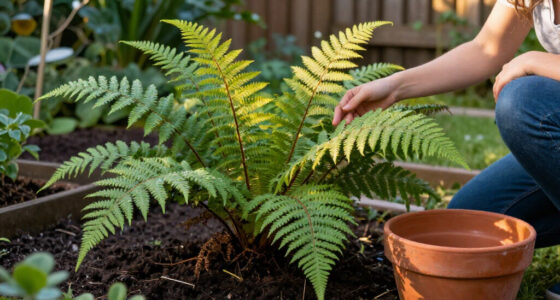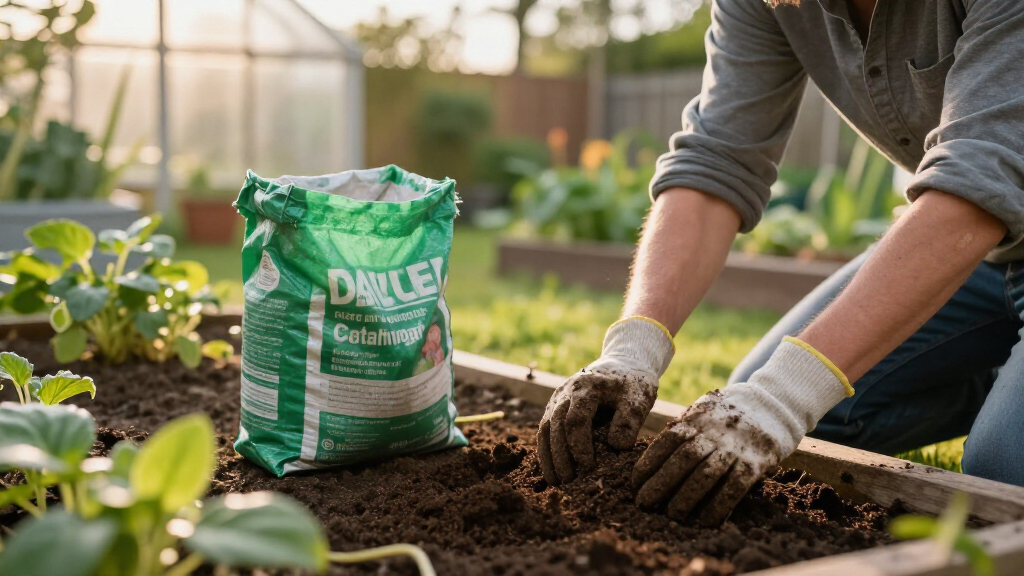

The best soil amendments depend on what your soil needs: worm castings offer gentle organic support, humic products suit broader soil conditioning, and gypsum or minerals target more specific issues. My best overall pick is The Andersons HumiChar, which pairs humic acid with biochar for a versatile approach to soil conditioning. For a simpler organic option, Back to the Roots Worm Castings suit container and garden growers, while Earth Science Fast Acting Gypsum is a more focused choice for soil loosening and repair. The main tradeoff is choosing between broad-use blends and amendments designed for a particular soil condition or growing setup. Read on for the full breakdown, selection criteria, and guidance on matching an amendment to your needs.

Get garden gear delivered free with Prime
- Fast, free delivery on millions of items
- Prime Video, Amazon Music and more included
- Member-only deals all year
Complete the kit


Key Takeaways
- The Andersons HumiChar pairs humic acid and biochar, giving it a broader soil-conditioning role than single-purpose mineral amendments.
- Worm castings come in several formats and sizes: smaller bags suit containers or trial use, while the 40-pound Wiggle Worm bag is better aligned with larger gardens.
- Granular humic products are not interchangeable with compost-style amendments; they serve different roles, so choose by the soil issue rather than by format alone.
- Gypsum, greensand, and Azomite are targeted mineral options, not all-purpose substitutes for organic matter or a soil test.
- Indoor growers have distinct choices: Legigo perlite and horticultural charcoal address mix structure and drainage, while castings add organic material.


| soil amendment | Form | Weight | Coverage |
|---|---|---|---|
| Back to the Roots Organic Worm | Granules | 5 lb | Full |
| Down To Earth Organic Granular | Granules | 5 lb | Full |
| The Andersons Humic DG Organic | Granules | 11 lb | Up to 10,000 sq ft |
| The Andersons Dirt Booster Plu | Powder | 20 lb | Full |
| Greensand 5 Pounds Natural Soi | Powder | 5 lb | — |
| Legigo 2 QT Horticultural Char | — | 0.43 kg | — |
| The Andersons HumiChar Organic | — | 12 lb | 12,000 sq ft |
| Legigo 4 Quarts Organic Perlit | — | 14.08 ounces | — |
| Brut Organic Worm Castings for | — | 5 lb | Listed as full coverage; area not specified |
| Wiggle Worm 100% Pure Worm Cas | Granules | 40 lb | Listed as full coverage; area not specified |
| FoxFarm Happy Frog Soil Condit | Granules | — | Medium |
| Farmer’s Secret Soil Revitaliz | Liquid | — | — |
| Earth Science RevitaSoil | Soil revitalizer with earthworm castings | — | — |
| Earth Science Fast Acting Gyps | Granules | — | — |
| Down To Earth Organic Azomite | Powder | — | — |
More Details on Our Top Picks
Back to the Roots Organic Worm Castings for Plants, 5lb
Back to the Roots Organic Worm Castings is a flexible choice for gardeners who want a soil amendment centered on vermicompost rather than a targeted mineral or humic product. Its 5-pound granular format suits both indoor pots and outdoor beds, and the listed uses include root and seed development as well as soil conditioning. Compared with Down To Earth Organic Granular Humic Acids, this pick offers a more direct worm-castings approach for a mix of plant types; the humic-acid option is more specifically positioned around nutrient uptake and soil microbial activity. The tradeoff is that castings can have a strong earthy smell, which may be unwelcome indoors, and the product calls for regular application rather than a one-time soil fix. I’d choose it for broad, routine garden use, not for correcting a specific soil imbalance.
Pros:- Pure USA vermicompost with no synthetic additives listed
- Suitable for indoor and outdoor plants
- Granules can be used for soil conditioning and root or seed development
- Contains beneficial microbes according to the product description
Cons:- Earthy smell may be noticeable in indoor spaces
- Regular applications are needed for best results
- No specific coverage area is provided
Best for: Houseplant owners and home gardeners who want one organic castings amendment for containers, vegetables, herbs, and flowers.
Not ideal for: Indoor growers sensitive to earthy odors, or gardeners seeking a specialized mineral amendment or a clearly stated large-area coverage rate.
- Weight:5 lb
- Form:Granules
- Source:Pure USA vermicompost
- Target species:All plants
- Listed uses:Plant growth, root development, seed development, and soil conditioning
- Coverage:Full
- Item number:48020
- UPC:810667034931
Our verdict“Choose these castings for recurring organic care across mixed plantings, but skip them if odor or targeted soil correction is your main concern.”
Down To Earth Organic Granular Humic Acids – 5 lb
Down To Earth Organic Granular Humic Acids is the lineup’s focused pick for gardeners looking to support nutrient uptake and soil microbial activity, rather than add worm castings or a broad mineral blend. Its OMRI-listed granular formula is described for vegetable gardens, lawns, and fields, giving it wider ground-level use than the pot-and-bed emphasis of Back to the Roots Organic Worm Castings. The stated aim is long-term organic matter addition, so I’d view it as a soil-building input, not an instant plant-feeding fix. The tradeoff is that results may call for multiple applications, and granules may not suit every plant or application routine. Choose this when humic acids are the specific amendment you want; skip it if you need a castings-based product or clear directions for a particular crop.
Pros:- OMRI-listed for organic use
- Designed to support nutrient uptake and microbial activity
- Adds long-term organic matter according to the product description
- Suitable for gardens, lawns, and fields
Cons:- May require multiple applications to achieve the intended effect
- Granules may be less suitable for some plants or application methods
- Product data gives no specific coverage area
Best for: Organic gardeners managing vegetable plots, lawns, or fields who want a granular humic-acid amendment to support soil biology and nutrient uptake.
Not ideal for: Buyers who want worm castings, a quick targeted correction, or a product with detailed crop-specific application guidance.
- Weight:5 lb
- Form:Granules
- Organic listing:OMRI-listed
- Specific use:Plant growth
- Target areas:Fields, turf, and vegetable gardens
- Coverage:Full
- Model number:HGC723712
- UPC:714360078271
Our verdict“Pick this for organic soil-building centered on humic acids, while choosing Back to the Roots instead if you specifically want worm castings.”
The Andersons Humic DG Organic Soil Amendment – Covers up to 10,000 sq ft (11 lb)
For gardeners covering substantial ground, The Andersons Humic DG is the most clearly scaled option here: its 11-pound granular bag covers up to 10,000 square feet. The listed 70% humic acid content gives this product a more defined formulation than the general-purpose castings in Back to the Roots Organic Worm Castings, while the description emphasizes nutrient absorption, soil organic matter, and root vigor. That makes it a better fit for broad lawn or garden applications than small indoor pots. The compromise is that it may need blending with fertilizer, so it is not a complete feeding plan on its own. Availability is also restricted in South Dakota. I’d rank it ahead of smaller-pack amendments for acreage, but not for growers who need an all-in-one nutrient source or live where it cannot be sold.
Pros:- Covers up to 10,000 square feet
- Contains 70% humic acid
- Described as suitable for all soil types
- OMRI-listed and intended to support soil organic matter and beneficial microbes
Cons:- May need to be blended with fertilizers
- Not for sale in South Dakota
- Large-area coverage may be excessive for small gardens
Best for: Homeowners and growers treating large lawns, beds, or other broad planting areas who want a high-coverage humic-acid amendment.
Not ideal for: Container gardeners, South Dakota buyers, or anyone expecting the amendment to replace a separate fertilizer program.
- Weight:11 lb
- Form:Granules
- Humic acid content:70%
- Coverage:Up to 10,000 sq ft
- Target species:Plants
- Organic listing:OMRI-listed
- Part number:Humic11
- ASIN:B01N58U9PW
Our verdict“Choose Humic DG for broad, measured coverage and a high-humic-acid formula, provided it is available in your state and you have a separate feeding plan if needed.”
The Andersons Dirt Booster Plus All-Natural Super Compost Starter and Soil Amendment – 20 lb.
The Andersons Dirt Booster Plus is the lineup’s clearest choice for gardeners who want an amendment that also serves as a compost starter. Its blend includes microbials, biochar, humic acid, corn distillates, and molasses, and the product description says it can help produce garden compost in 7 to 12 days. That gives it a different job from The Andersons Humic DG, which is positioned around humic acid and broad soil coverage rather than speeding a composting process. The 20-pound powder can also be mixed into garden soil or applied to lawns, but its bulk and need for mixing or spreader application make it less convenient for a few pots. Availability is restricted in California. I’d select it for active compost piles and larger garden projects, not for a small, low-effort soil refresh.
Pros:- Designed to accelerate composting, with a stated 7-to-12-day timeframe
- Combines microbials, biochar, humic acid, corn distillates, and molasses
- Can be used in gardens and on lawns
- Can be used alone or with fertilizers
Cons:- Not available for sale in California
- Powder requires mixing or spreading for application
- 20-pound package may be more than small gardens need
Best for: Gardeners maintaining a compost pile who also want an amendment for lawns or beds and can handle a 20-pound bag.
Not ideal for: California buyers, indoor plant owners, or gardeners who want a small, ready-to-use amendment for a limited number of containers.
- Weight:20 lb
- Form:Powder
- Application method:Mix into garden soil or apply to lawn with a spreader
- Listed uses:Compost starter and soil amendment
- Target species:All plants
- Coverage:Full
- Key ingredients:Microbials, biochar, humic acid, corn distillates, and molasses
- Composting timeframe:7 to 12 days, as stated in the product description
Our verdict“Choose Dirt Booster Plus if composting is part of your garden routine; for straightforward lawn coverage, The Andersons Humic DG is the more focused alternative.”
Greensand 5 Pounds Natural Soil Amendment for Garden & Lawns, Rich in Potassium & Iron
Greensand stands apart from the castings and humic-acid options because its selling point is mineral content and soil structure: the description highlights potassium and iron, along with improved water retention and aeration. That makes it a more targeted fit for gardeners working with clay or sandy soils than Down To Earth Organic Granular Humic Acids, which focuses on nutrient uptake and microbial activity. The powder form can be used in gardens, lawns, or farms, but it is less convenient to broadcast than a granular amendment. Its longer-term benefits may also require multiple applications, and the listing warns that it may be less effective in very poor or heavily compacted soil. I’d choose it when mineral enrichment and soil texture are the goal, not as a quick rescue for severely damaged ground.
Pros:- Supplies naturally occurring potassium and iron
- Described as supporting water retention and soil aeration
- Suitable for gardens, lawns, and farms
- Listed as free from synthetic additives
Cons:- Long-term benefits may require multiple applications
- May be less effective in very poor or heavily compacted soil
- Powder form may be less convenient to apply than granules
Best for: Gardeners with clay or sandy soils who want a mineral-based amendment for beds, lawns, or farm plots.
Not ideal for: Growers facing severely compacted or very poor soil who need a fast correction, or buyers who prefer easy-to-spread granules.
- Weight:5 lb
- Form:Powder
- Brand:Lancaster Agriculture Products
- Specific use:Fertilizer
- Target species:Plants
- Item count:1
- Included component:Soil amendment
- UPC:850071525342
Our verdict“Choose this greensand for gradual mineral and texture support in clay or sandy soil, but not as a stand-alone fix for severe compaction.”
Legigo 2 QT Horticultural Charcoal – Natural Biochar Soil Amendment
For targeted improvements to container soil, Legigo horticultural charcoal offers a simple way to add structure without buying a bulk lawn amendment. Its 3–7 mm hardwood pieces can help create air spaces while absorbing water, a useful balance for orchids, succulents, and bonsai mixes. Compared with Legigo’s perlite, charcoal adds an absorbent carbon component rather than focusing mainly on aeration and drainage; it suits growers seeking that different texture and function. The limitation is scale: 2 quarts is better for a few pots than a large repotting project. It also needs mixing into the medium, and the product information notes it may need replacement depending on plant needs. I’d choose it for small, specialized mixes, not as a broad garden soil conditioner.
Pros:- Hardwood charcoal offers a distinct carbon-based option for container mixes.
- Coarse 3–7 mm pieces can add air space around roots.
- High water absorption can complement drainage-focused ingredients.
- Suitable for orchids, succulents, bonsai, and other potted plants.
Cons:- Two-quart pack is too small for broad garden or large-scale potting projects.
- Requires mixing with soil rather than direct application as a standalone treatment.
- May need replacement depending on plant and potting conditions.
Best for: Indoor gardeners refreshing a few orchid, bonsai, or succulent pots who want a coarse, absorbent amendment for custom mixes.
Not ideal for: Gardeners treating beds or repotting many large containers; the 2-quart volume is limited and the charcoal must be mixed into soil.
- Volume:2 quarts
- Weight:0.43 kg
- Material:Natural hardwood
- Particle size:3–7 mm
- Product type:Horticultural charcoal / biochar soil amendment
- Intended uses:Orchids, succulents, bonsai, and other potted plants
Our verdict“Choose this for a handful of specialty pots where charcoal’s absorbency and coarse structure matter more than bulk coverage.”
The Andersons HumiChar Organic Soil Amendment with Humic Acid and Biochar, Covers 12,000 sq ft (12 lb)
The Andersons HumiChar is the broad-coverage pick here: its 12-pound bag is listed for 12,000 square feet, putting it in a different category from small-batch amendments such as Legigo horticultural charcoal. The blend combines 30% humic acid and 43% biochar, so it suits buyers seeking a spreadable carbon-based treatment for lawns, plants, and soil-building routines. Its low-dust formulation is a practical plus when applying across a wide area, and it can be used alone or alongside fertilizer. Compared with Brut’s worm castings, HumiChar is less about adding a castings-based fertility input and more about applying humic acid and biochar across the landscape. The tradeoffs are regional availability—it is not for sale in California or Oregon—and the need to follow product-specific application instructions for the intended use.
Pros:- Listed coverage of 12,000 square feet suits broad applications.
- Contains 30% humic acid and 43% biochar.
- Low-dust formulation makes spreading more manageable.
- Can be used alone or alongside fertilizers for ongoing soil building.
Cons:- Not available for sale in California or Oregon.
- Application instructions may need close attention for the intended area and use.
- Large-area format is less convenient for growers treating only a few pots.
Best for: Homeowners and gardeners treating a large lawn or multiple planting areas who want a spreadable humic-acid and biochar amendment.
Not ideal for: Buyers in California or Oregon, or indoor gardeners seeking a small, pot-focused amendment rather than a large-area product.
- Brand:The Andersons
- Weight:12 lb
- Coverage:12,000 sq ft
- Humic acid content:30%
- Biochar content:43%
- Formulation:Organic, carbon-based soil amendment
- Model number:12
- UPC:031865325212
Our verdict“Pick HumiChar for wide lawn or garden coverage if you can buy it in your region and want humic acid plus biochar in one amendment.”
Legigo 4 Quarts Organic Perlite for Indoor Plants Soil Mix Amendment
If compacted or slow-draining potting mix is the main problem, Legigo perlite is the lineup’s most direct aeration-focused option. The lightweight mineral is intended to improve soil aeration and drainage and can be mixed into blends for succulents, cacti, tropicals, or hydroponic use. Compared with Legigo’s horticultural charcoal, perlite puts the emphasis on opening up the mix rather than adding an absorbent hardwood carbon amendment. The 4-quart resealable pouch is useful for indoor growers who want a manageable supply between repotting sessions, but it may not stretch across a large collection. Its coarse texture can also be a poor match for plant mixes that call for finer ingredients. I’d pick it for practical potting adjustments, not as a nutrient or fertility amendment.
Pros:- Designed to improve aeration and drainage in potting mixes.
- Usable with succulents, cacti, tropicals, and hydroponic setups.
- Four-quart volume suits small indoor mixing jobs.
- Resealable pouch makes storage between uses easier.
Cons:- Four quarts may not cover large projects or extensive plant collections.
- Coarse texture may not suit every plant or mix recipe.
- Does not serve as a nutrient-focused amendment like worm castings.
Best for: Indoor plant owners mixing or refreshing small batches of potting medium who need a lightweight ingredient for more air space and drainage.
Not ideal for: Gardeners seeking a nutrient-rich soil builder or treating large beds; this modest-size perlite pack focuses on physical structure, not fertility.
- Volume:4 quarts
- Weight:14.08 ounces
- Brand:Legigo
- Item type:Garden perlite
- Manufacturer part number:L-CA-Garden Perlite-4qt
- Model number:L-CA-Garden Perlite-4qt
- Intended applications:Soil mixes, hydroponics, and decorative use
Our verdict“Choose this perlite for small indoor mix adjustments when improving airflow and drainage matters more than adding nutrients.”
Brut Organic Worm Castings for Plants 5 LB – Natural Nutrients, Fertility Builder, Plant Food for Potting Soil and Garden Soil – Indoor and Outdoor Use
Brut Organic Worm Castings suit gardeners who want a modest, nutrient-focused amendment for both containers and outdoor soil. The 5-pound granular bag is a more manageable scale than Wiggle Worm’s 40-pound offering, so it makes more sense for houseplants, a few raised beds, or occasional potting mixes than for feeding a large garden. Its organic and OMRI-listed positioning will appeal to buyers prioritizing those credentials, while the stated 1:5 mixing ratio gives a starting point for incorporating it into a blend. Unlike Legigo perlite, Brut is aimed at soil fertility rather than drainage and aeration. Granules still need mixing for best results, and the bag can run short on bigger projects. I’d choose it for contained feeding jobs, not as a substitute for a structural amendment when soil needs more air space.
Pros:- Organic and OMRI-listed according to the product description.
- Suitable for indoor and outdoor gardening.
- Granular castings can be mixed into potting or garden soil.
- A 1:5 mixing ratio is provided as application guidance.
Cons:- Five-pound bag may not cover large gardens or repeated broad applications.
- Granules need proper mixing for best results.
- Focuses on fertility rather than directly addressing soil aeration or drainage.
Best for: Organic-minded indoor growers and small-garden owners who want worm castings for potting mixes or limited outdoor applications.
Not ideal for: Gardeners treating large plots or seeking a drainage-focused amendment; the 5-pound amount is limited and castings serve a different role than perlite.
- Weight:5 lb
- Item form:Granules
- Certification:Organic and OMRI-listed, per product description
- Intended uses:Gardening and organic soil amendment
- Coverage:Listed as full coverage; area not specified
- Target plants:All plants
- Listed liquid volume:4 quarts
- User guide mixing ratio:1:5
Our verdict“Choose Brut for small-scale organic feeding when you want castings for pots or garden soil without buying a bulk-size bag.”
Wiggle Worm 100% Pure Worm Castings Plus Worm Egg Material, 40lb
For gardeners applying castings across many beds or containers, Wiggle Worm’s 40-pound bag is the bulk alternative to Brut’s 5-pound package. The product pairs pure worm castings with worm egg material and is described as supporting microbial activity, soil aeration, drainage, and nutrient content. That makes it a broader soil-conditioning choice than a simple potting-mix ingredient, though its larger format calls for storage space and a project substantial enough to use it. The granules are described as odor-free and suitable for indoor and outdoor gardening, but the product may contain small debris such as tiny rocks. It may also take multiple applications to achieve the desired results. I’d rank it ahead of small bags for recurring or wide-area use, but behind them for occasional houseplant care.
Pros:- Forty-pound supply suits larger gardens and recurring applications.
- Combines worm castings with worm egg material.
- Described as odor-free and suitable for indoor and outdoor gardening.
- Product information links the amendment to microbial activity, aeration, drainage, and nutrient content.
Cons:- Bulk size can be excessive for a small indoor plant collection.
- Small debris, including tiny rocks, may be present.
- Multiple applications may be needed for best results.
Best for: Vegetable gardeners and growers with many houseplants or outdoor beds who want a substantial supply of worm castings for repeated soil-conditioning use.
Not ideal for: People with only a few pots, limited storage space, or no need for bulk castings; the 40-pound bag may be excessive, and small debris may be present.
- Weight:40 lb
- Form:Granules
- Composition:100% pure worm castings plus worm egg material
- Uses:Soil conditioning and plant growth
- Coverage:Listed as full coverage; area not specified
- Target species:Houseplants and vegetables
- Application settings:Indoor and outdoor gardening
Our verdict“Choose Wiggle Worm when you need castings in bulk for ongoing garden use, and prefer Brut if a smaller bag better fits your project.”
FoxFarm Happy Frog Soil Conditioner, 1.5 cu ft
FoxFarm Happy Frog is my most versatile pick for improving the structure and root environment of new plantings. Its blend of mycorrhizal fungi, humic acids, and organic materials aims to support nutrient uptake while loosening soil, so it addresses more than one aspect of soil conditioning in a single granular amendment. The 1.5-cubic-foot quantity also suits beds and multiple planting projects better than Earth Science RevitaSoil, whose 4-pound package covers up to 16 square feet.
The tradeoff is that this is a broad conditioner, not a targeted fix: for compacted or salt-affected soil, Earth Science gypsum has a more specific role. FoxFarm may also need repeat applications, and its organic blend may not suit every plant type. I’d choose it for general soil preparation, rather than as a substitute for a problem-specific amendment.
Pros:- Combines mycorrhizal fungi, humic acids, and organic materials
- Supports soil aeration and improved texture
- A 1.5-cubic-foot quantity suits broader planting projects
- Designed for new plantings and root development
Cons:- May need frequent applications to maintain results
- The blend may not be appropriate for every plant type
- Less targeted than gypsum for compaction or salt-related soil problems
Best for: Gardeners preparing new beds or planting areas who want one organic conditioner to support soil texture, aeration, and root development.
Not ideal for: Growers seeking a targeted remedy for compacted or salt-damaged soil, or those who need an amendment confirmed as suitable for a particular sensitive plant.
- Form:Granules
- Package volume:1.5 cubic feet
- Item weight:40 pounds
- Specific use:Soil conditioning
- Coverage:Medium
- Key ingredients:Mycorrhizal fungi, humic acids, and organic materials
Our verdict“Choose FoxFarm for broad soil conditioning across new plantings, but pick gypsum when compaction or salt damage is the main issue.”
Farmer’s Secret Soil Revitalizer – Organic Liquid Compost Soil Amendment – 32oz
Farmer’s Secret Soil Revitalizer is the lineup’s most coverage-focused choice for gardeners who prefer a liquid application. Its 1:128 dilution ratio stretches a 32-ounce bottle to stated coverage of 32,000 square feet, while activated humic acid is intended to stimulate microbial activity. That makes it a different proposition from FoxFarm Happy Frog: FoxFarm adds a granular organic blend to improve texture, while Farmer’s Secret is a diluted soil treatment centered on microbial activity.
The concentrated format and OMRI listing may appeal to organic gardeners with large areas to treat, but the mixing step adds work and requires accurate dilution. The description limits it to soil and plant use rather than direct plant application, so it is not a straightforward foliar product. I’d skip it if I wanted a solid amendment worked into a planting mix or a targeted physical fix like gypsum.
Pros:- OMRI listed for organic gardening
- Concentrated 1:128 formula has stated coverage of 32,000 square feet
- Activated humic acid is intended to stimulate soil microbial activity
- Can be applied in fall or spring
Cons:- Must be diluted before use, adding a measuring step
- Not intended for direct plant application
- Does not provide the physical soil-texture change offered by granular conditioners
Best for: Organic gardeners treating large soil areas who are comfortable measuring and diluting a concentrated liquid amendment.
Not ideal for: Gardeners who want a ready-to-apply solid amendment, need a compaction remedy, or want a product for direct plant application.
- Form:Liquid
- Package volume:32 fluid ounces
- Item weight:12.8 ounces
- Mixing ratio:1:128
- Stated coverage:32,000 square feet
- Application method:Spray or pour
- Organic listing:OMRI listed
- Suggested application seasons:Fall and spring
Our verdict“Pick Farmer’s Secret for wide-area soil treatment in a concentrated liquid form, provided you are willing to mix it accurately.”
Earth Science RevitaSoil, 4lb, Up to 16 Sq. Ft. – Organic Soil Revitalizer with Earthworm Castings
Earth Science RevitaSoil suits gardeners who want an organic soil revitalizer with earthworm castings in a manageable package. It is described for indoor and outdoor plants, vegetables, flowers, and gardens, giving it broader stated use than Down To Earth Azomite, which is chiefly a mineral supplement. Its stated coverage—up to 16 square feet—makes the scale clear: this is a focused option for a small bed or several containers, not a practical choice for rebuilding a large garden.
The listing says it can help plants grow up to three times more, but that claim should not replace a soil-specific plan or expectations of repeat applications. Compared with Farmer’s Secret Soil Revitalizer, RevitaSoil is a solid, castings-based amendment rather than a diluted liquid treatment, so it avoids mixing but covers far less area. I’d choose it for a compact planting project and look elsewhere for broad coverage.
Pros:- Includes earthworm castings and natural nutrients
- Listed for indoor and outdoor plants, vegetables, flowers, and gardens
- Solid product avoids the dilution step required by Farmer’s Secret
- A defined coverage figure helps plan small projects
Cons:- Coverage is limited to up to 16 square feet
- Sustained results may require multiple applications
- The stated growth claim does not provide a predictable outcome for every garden
Best for: Container gardeners and owners of small vegetable or flower beds who want a castings-based organic soil revitalizer.
Not ideal for: Gardeners treating large beds or broad outdoor areas, since the 4-pound package covers up to 16 square feet and repeat applications may be needed.
- Form:Soil revitalizer with earthworm castings
- Package weight:4 pounds
- Stated coverage:Up to 16 square feet
- Listed applications:Indoor and outdoor plants, vegetables, flowers, and gardens
- Volume:64 fluid ounces
- Manufacturer:Earth Science
- Model number:12687
Our verdict“Choose RevitaSoil for a small bed or container project where castings are the priority, not for large-scale soil restoration.”
Earth Science Fast Acting Gypsum Granules – 5 lb Soil Conditioner for Soil Loosening and Repair
Earth Science Fast Acting Gypsum Granules is the most problem-specific amendment here: it is positioned to loosen compacted soil, improve water penetration, add calcium, and help repair salt-damaged soil. That focus separates it from FoxFarm Happy Frog, a broader organic conditioner intended to support texture and root development, and from Down To Earth Azomite, which supplies trace minerals rather than targeting compaction. For a gardener dealing with one of gypsum’s stated soil problems, that narrow purpose can be more useful than a general revitalizer.
The five-pound granules are designed for spreader application, and the description says they are safe around kids and pets. Still, the listed coverage is only 5 square feet, so larger areas may call for multiple bags or applications. Results also depend on soil condition and application method. I’d choose it for a diagnosed soil issue, not as an all-purpose amendment for every bed.
Pros:- Targets compacted soil and water penetration
- Can help repair salt-damaged soil
- Adds calcium and uses Nutri-Bond technology
- Granules can be applied with a spreader and are described as safe around kids and pets
Cons:- Listed coverage is limited to 5 square feet
- Large areas may need multiple applications
- Effectiveness depends on soil conditions and application method
Best for: Gardeners addressing compacted or salt-affected soil in a small area who want a granular calcium-containing conditioner.
Not ideal for: People improving broad garden beds or seeking an all-purpose organic amendment, since stated coverage is 5 square feet and the product targets specific soil problems.
- Form:Granules
- Package weight:5 pounds
- Stated coverage:5 square feet
- Specific use:Soil conditioning
- Target species:Lawn grasses
- Application ratio:1:0:0
- Key soil roles:Soil loosening, water penetration, salt-damage repair, and calcium addition
Our verdict“Choose this gypsum for a small area with compaction or salt issues, rather than as a general-purpose soil conditioner.”
Down To Earth Organic Azomite Minerals Powder – 1lb
Down To Earth Azomite Minerals Powder is the specialist pick for gardeners whose soil plan calls for a trace-mineral supplement. The volcanic mineral powder contains over 70 naturally occurring elements and is intended for soil remineralization, root health, and crop quality. That makes it distinct from Earth Science RevitaSoil, which centers on earthworm castings and natural nutrients, and from gypsum, which targets compaction and salt damage rather than a broad mineral profile.
The fine powder can be mixed with compost or soil, and the product is listed as OMRI and CDFA certified for organic use. Its main limitation is the one-pound package: coverage varies with application, and the guidance spans very different rates for lawns and vegetable gardens, so careful measurement matters. It is a supplement, not complete plant nutrition; gardeners needing a fuller nutrient program may need another fertilizer alongside it.
Pros:- Contains over 70 naturally occurring minerals from volcanic deposits
- Listed for soil remineralization, gardening, farming, and horticulture
- OMRI and CDFA certified for organic use
- Ultra-fine powder can be mixed with compost or soil
Cons:- One-pound package limits suitability for larger projects
- Application rates and coverage vary, requiring careful measurement
- May need to be paired with other fertilizers for complete nutrition
Best for: Organic gardeners and small-scale growers who want to add a trace-mineral supplement to compost or soil.
Not ideal for: People seeking a complete fertilizer, a targeted compaction treatment, or a large-volume amendment in one package.
- Form:Powder
- Package weight:1 pound
- Measurement:473.18 milliliters
- Listed uses:Gardening, farming, horticulture, and soil remineralization
- Mineral content:Over 70 naturally occurring elements
- Coverage guidance:2–100 pounds per 1,000 square feet for lawns; 1–2 pounds per 10 square feet for vegetable gardens
- Certifications:OMRI and CDFA certified
- Mixing ratio:2:1
Our verdict“Choose Azomite when trace minerals are the specific goal, but pair it with a broader nutrient plan if your soil needs more than remineralization.”

How We Picked
I compared the 15 products by the job each one is designed to do: add organic material, support soil conditioning, change potting-mix structure, or provide a targeted mineral input. I also weighed practical fit, including whether the product suits containers, garden beds, lawns, or larger areas; how clearly its intended use is described; and whether its format makes sense for routine application. Because soil amendments are not interchangeable, a product’s usefulness depends on matching it to a real need rather than treating broad claims as a universal fix.
The ranking favors options with wider potential use and a clear role for common growing situations, while focused products rank for the buyers who need that specific function. HumiChar leads for combining two amendment types in one product; worm castings rank highly for accessible organic use; and targeted choices such as gypsum, greensand, Azomite, perlite, and charcoal are included for their narrower applications. I do not treat a large coverage area or a long list of ingredients as proof that an amendment suits every soil.
| soil amendment | Form |
|---|---|
| Back to the Roots Organic Worm | Granules |
| Down To Earth Organic Granular | Granules |
| The Andersons Humic DG Organic | Granules |
| The Andersons Dirt Booster Plu | Powder |
| Greensand 5 Pounds Natural Soi | Powder |
| Legigo 2 QT Horticultural Char | — |
| The Andersons HumiChar Organic | — |
| Legigo 4 Quarts Organic Perlit | — |
| Brut Organic Worm Castings for | — |
| Wiggle Worm 100% Pure Worm Cas | Granules |
| FoxFarm Happy Frog Soil Condit | Granules |
| Farmer’s Secret Soil Revitaliz | Liquid |
| Earth Science RevitaSoil | Soil revitalizer with earthworm castings |
| Earth Science Fast Acting Gyps | Granules |
| Down To Earth Organic Azomite | Powder |
Factors to Consider When Choosing Best Soil Amendments
Before choosing from this lineup, start with the problem you want to solve. An amendment can change soil structure or add particular organic or mineral materials, but it is not a universal replacement for fertilizer, compost, or correcting poor watering practices. These factors help narrow the options without relying on broad product claims.
Identify the soil problem before choosing a product
Begin with what you can observe: water pooling, a container mix drying too quickly, compacted ground, or a crop that may be short of a particular nutrient. A soil test can help separate nutrient imbalance from texture or drainage problems, which often call for different responses. Avoid adding several products at once, since that makes it harder to tell what helped and can add materials your soil does not need. Mineral amendments are especially poor choices as guesswork treatments when their intended role depends on soil conditions. If the concern is limited to one bed or pot, treat that area first rather than applying the same amendment across the whole garden.
Match the amendment to containers, beds, or lawns
Growing space affects both product choice and how much material is practical to handle. Perlite and horticultural charcoal are geared toward changing the structure of potting mixes, while castings and conditioners can fit broader garden use depending on their label directions. Lawn products sold by coverage area may make more sense for wide applications than small bags intended for localized work. For containers, check whether the amendment is meant to be mixed into potting media or applied to the surface. Using a lawn-scale product in a few pots can create storage and measuring hassles, while small packages may be inefficient for large beds.
Choose between organic matter and targeted minerals
Worm castings, compost-style products, and soil conditioners differ from amendments such as greensand, gypsum, or mineral powders. Organic materials add a different kind of input than products chosen for a particular mineral or soil-conditioning purpose. Do not assume that every natural or organic label means the product supplies a complete nutrient program. Likewise, a mineral amendment is not a substitute for organic matter when the main goal is improving a depleted growing medium. Read the intended use and application directions, then choose the category that matches the diagnosed need.
Check application rate, coverage, and repeat-use plans
Package size alone does not tell you how much product a garden requires. Compare the stated coverage or mixing directions with the area you plan to treat, and check whether the label calls for mixing, top-dressing, or another method. A product marketed for a large area may be convenient for lawns but awkward to measure in a few containers. Repeated application also affects storage, handling, and how quickly you use a bag or bottle. Follow label limits rather than increasing the dose to chase faster results.
Pay more for a useful combination, not a longer ingredient list
A combined amendment can simplify handling when its components address needs you actually have. HumiChar, for example, joins humic acid and biochar, but that combination only adds value if both fit your soil plan. A single-purpose product can be a better purchase when you have a defined problem and want to avoid adding unrelated materials. Compare application directions and coverage before choosing a blend over separate inputs. Treat broad claims as a prompt to inspect the label, not as a reason to skip soil testing or basic diagnosis.
Avoid treating amendments as instant fixes
Soil improvement is usually a process, and different materials act on different parts of that process. An amendment cannot compensate for chronic overwatering, poor site drainage, or a pot that lacks drainage holes. Keep notes on what you apply and where, especially if you are changing more than one bed or mix. Make one measured change at a time and watch how the soil and plants respond before repeating it. This approach limits unnecessary applications and makes it easier to learn which product type fits your growing conditions.
Frequently Asked Questions
Can I combine worm castings with a humic acid or biochar amendment?
They can serve different roles, but combining products is not automatically better than choosing one. First check each label for compatible application methods and rates, then consider whether both address a need in the same planting area. If you are unsure how your soil will respond, apply one product at a time so you can track the result. Avoid exceeding label directions just because the ingredients are different. A soil test or a small trial area can help guide the next step.
Which type of amendment should I choose for compacted or poorly draining soil?
Start by distinguishing surface compaction from a drainage problem caused by site layout, a dense subsoil layer, or a container without drainage holes. Gypsum is a targeted soil conditioner, but it is not a universal fix for every compacted soil. Organic material may be more relevant when the growing area needs added organic matter, while containers may call for a change in mix structure. Avoid applying mineral products without checking whether they suit your soil conditions. If water remains standing, address the drainage cause as well as the amendment choice.
Are worm castings enough to replace fertilizer?
Worm castings are an organic soil input, but they should not be assumed to provide every nutrient a crop needs throughout its growing cycle. Plant type, container size, existing soil, and watering all affect nutrient demand. Check the product label for its stated use and pair it with a suitable feeding plan if your plants need ongoing nutrition. A soil test can help identify shortages rather than prompting repeated additions by guesswork. Treat castings as one part of soil care, not a guaranteed complete fertilizer program.
Should I buy a large bag or start with a smaller package?
Estimate the treated area or potting-mix volume before choosing a package size. Large bags can suit extensive beds or repeat use, but they may be inconvenient to store if you only need a small amount. Smaller packages are useful for containers, trial applications, or amendments used only occasionally. Compare the label’s coverage and mixing directions rather than judging by weight alone, since products differ in density and intended rate. When testing a new amendment, a small package or limited trial area can reduce waste.
Do indoor plants need different amendments from garden beds?
Often, yes, because container mixes must balance drainage, aeration, and water retention in a confined space. Perlite and horticultural charcoal are included here as potting-mix structure options, while worm castings add organic material. Garden beds have different scale and soil conditions, so products intended for lawns or broad outdoor application may not be convenient for indoor use. Check that any amendment is labeled for the intended growing setup and follow mixing directions carefully. Avoid adding multiple materials without considering how they will change the mix’s water behavior.
Conclusion
Choose The Andersons HumiChar as my best overall pick if you want a blend of humic acid and biochar for a broader soil-conditioning role. For best value in straightforward organic use, compare the smaller worm-casting bags by the amount you need; the larger Wiggle Worm package makes more sense for gardeners treating substantial areas. Beginners can start with a clearly labeled, familiar amendment such as Back to the Roots Worm Castings and test it in one bed or container before expanding use. For a premium or larger-area approach, The Andersons coverage-oriented products may suit buyers managing lawns or sizable garden spaces, provided the application matches their soil needs. For specific needs, choose gypsum for its targeted soil-conditioning role, perlite or charcoal for container-mix structure, and greensand or Azomite only when their mineral use fits your plan. The best choice is the one matched to your soil, not the product with the broadest claim.