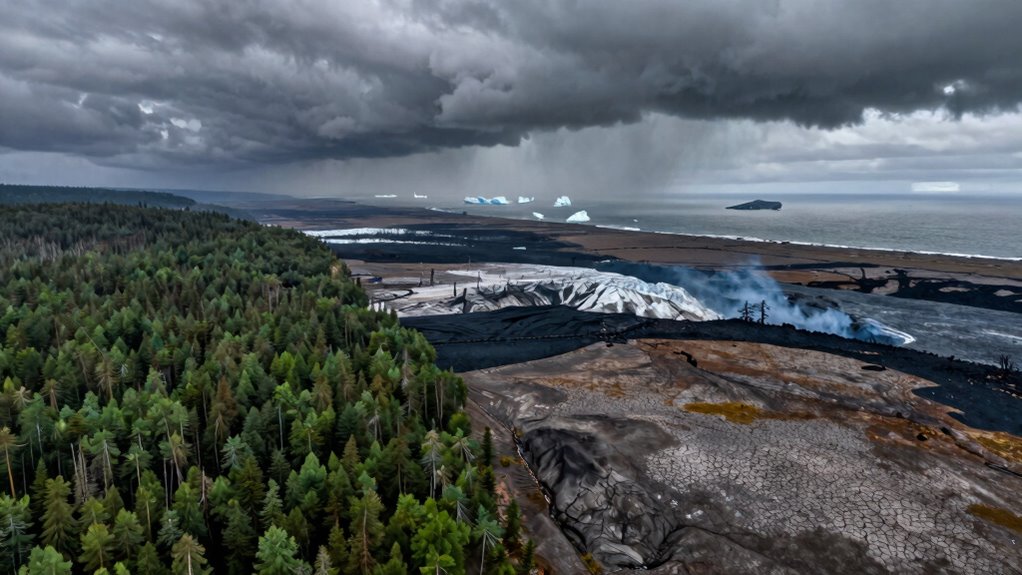
You need to understand that how you frame climate education greatly impacts how students cope with anxiety. Properly presented, it can transform feelings of helplessness into hope and action, building resilience. Including emotional well-being, positive stories, and tangible projects helps students process fears and see their potential to make a difference. If you continue exploring, you’ll discover ways to turn anxious feelings into empowered engagement that fosters a hopeful, responsible generation.

Get garden gear delivered free with Prime
- Fast, free delivery on millions of items
- Prime Video, Amazon Music and more included
- Member-only deals all year
Key Takeaways
- Proper framing reduces feelings of helplessness and empowers students to see themselves as active agents of change.
- Integrating emotional well-being strategies helps students manage climate-related anxiety healthily.
- Emphasizing hope and opportunities shifts focus from catastrophe to resilience and positive action.
- Holistic curricula foster understanding of interconnected systems, strengthening emotional resilience and environmental literacy.
- Better educational framing promotes a generation motivated, compassionate, and equipped to address climate challenges effectively.
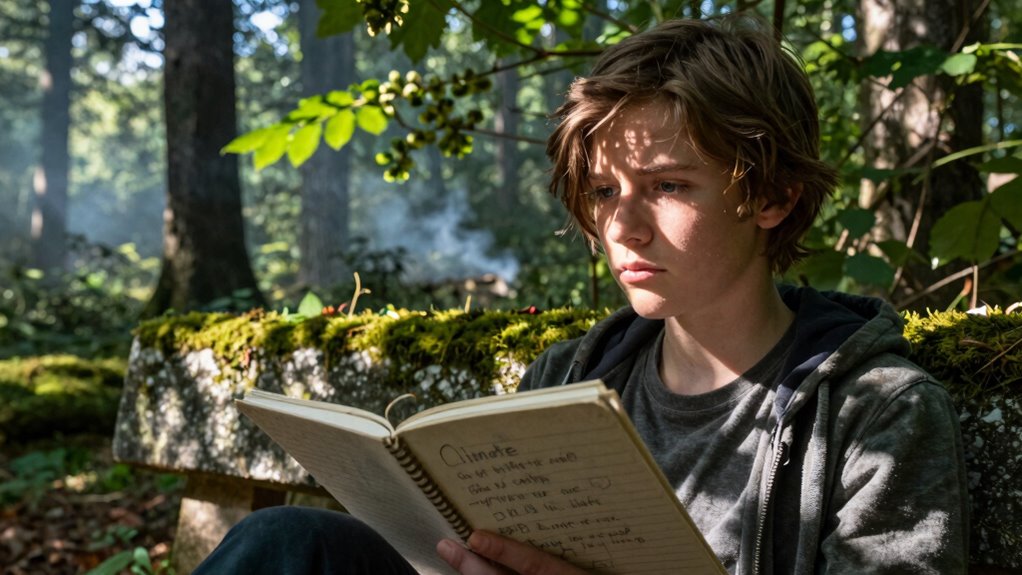
As concerns about climate change grow, many students are experiencing intense feelings of anxiety about the future. This emotional response is natural, but without proper support, it can become overwhelming, leading to feelings of helplessness or despair. That’s why the way we frame climate education matters so much. If we want students to navigate their worries effectively, we need to focus on building emotional resilience through curriculum integration. Instead of just presenting climate change as an urgent problem, education should incorporate strategies that help students cope with their emotions and foster a sense of agency.
Building emotional resilience in climate education helps students manage anxiety and feel empowered to create change.
Curriculum integration means weaving climate topics into various subjects, making education more holistic. When students see climate change reflected in science, social studies, and even art or literature, they develop a deeper understanding of its complexity and relevance. This interconnected approach not only increases awareness but also reinforces the idea that they can be part of the solution. By embedding resilience-building activities—like mindfulness exercises, community projects, or discussions about hope and action—students learn to manage their anxiety constructively. These practices teach them that feelings of worry are valid but don’t have to be paralyzing.
You might think that teaching about climate change only involves facts and figures, but it’s equally important to address emotional well-being. When curriculum design actively encourages students to process their fears and explore ways they can contribute positively, it transforms anxiety from a barrier into a motivator. For example, classroom projects that involve local environmental action empower students and help them see tangible results. This practical engagement fosters emotional resilience by demonstrating that their efforts can make a difference, reducing feelings of helplessness. Additionally, incorporating climate education that emphasizes emotional intelligence can further support students in managing their anxieties effectively. Recognizing the interconnectedness of ecosystems within the curriculum can also promote a holistic understanding of environmental issues and deepen students’ sense of responsibility.
Furthermore, framing climate education around resilience and agency shifts the narrative from catastrophe to opportunity. Instead of feeling overwhelmed by the scale of the crisis, students learn to see themselves as active participants in creating change. When curriculum integration emphasizes both knowledge and emotional skills, students are better equipped to handle their anxieties and remain motivated. This balanced approach helps cultivate a generation that’s informed, compassionate, and resilient—ready to face climate challenges with hope and determination.
Ultimately, better educational framing of climate anxiety involves more than just imparting facts. It requires intentional curriculum integration that nurtures emotional resilience, empowering students to transform their worries into meaningful action. When education supports this, it doesn’t just inform—it inspires resilience and hope for a sustainable future. Recognizing the importance of biodiversity education can further enhance this approach by emphasizing the interconnectedness of all living things and fostering a deeper sense of stewardship among students.
climate change emotional resilience books for students
As an affiliate, we earn on qualifying purchases.
As an affiliate, we earn on qualifying purchases.
Frequently Asked Questions
How Does Climate Anxiety Differ Across Age Groups?
You’ll notice climate anxiety varies across age groups due to developmental differences and emotional responses. Younger individuals might experience heightened fear and confusion, while older adults often feel a sense of grief or helplessness. As you navigate these differences, understanding that emotional responses evolve with age helps you address climate concerns more effectively. Recognizing these variations allows you to tailor support and education, reducing anxiety and fostering resilience across all ages.
What Role Do Teachers Play in Addressing Climate Anxiety?
Oh, because teachers are obviously climate superheroes, right? You play a vital role in addressing climate anxiety by integrating relevant topics into the curriculum, showing students that they’re not alone in their worries. You also help build emotional resilience, turning anxiety into action. By doing so, you empower students to face climate challenges confidently, fostering hope rather than despair—because who better than teachers to turn climate fear into informed, resilient activism?
Are There Cultural Differences in Climate Anxiety Experiences?
You’ll notice that cultural perceptions profoundly shape how people experience climate anxiety across different communities. In some cultures, emotional resilience is emphasized, helping individuals cope better, while others may feel overwhelmed due to differing beliefs and values. Recognizing these cultural differences enables you to approach climate anxiety with empathy and tailored strategies, fostering emotional resilience and ensuring support resonates more effectively within diverse cultural contexts.
How Can Schools Incorporate Mental Health Support for Climate Anxiety?
Think of mental health support for climate anxiety like planting a sturdy tree—growing stronger with each effort. You can incorporate this into curriculum integration by including lessons on emotional resilience and environmental awareness. Encouraging peer support groups helps students share feelings, find comfort, and build community. Schools should also provide access to counselors trained in climate-related stress, ensuring students have safe spaces to process their worries and develop coping strategies.
What Long-Term Impacts Does Climate Anxiety Have on Student Learning?
Climate anxiety can hinder your long-term learning by affecting your emotional resilience and focus. When overwhelmed, you might struggle to concentrate or retain information, which impacts academic performance. Developing effective coping strategies helps you manage these feelings, strengthening your emotional resilience. Over time, this empowers you to stay engaged and motivated, enabling you to learn effectively despite ongoing climate concerns. Building these skills fosters mental well-being and academic success.
Conclusion
So, next time you feel overwhelmed by climate anxiety, remember that education can be your ally, transforming fear into action. It’s not just about understanding the problems but also empowering yourself and others to make a difference. Isn’t it better to face these challenges with knowledge and hope rather than despair? By framing climate education thoughtfully, you can turn anxiety into a catalyst for positive change—because together, we have the power to shape a better future.
Halloween Picks
halloween
As an affiliate, we earn on qualifying purchases.