
TL;DR
Grow Organic’s guide describes how to plant and care for goji berry shrubs, from choosing a sunny, well-drained site to pruning and harvesting fully colored fruit. Plant performance and harvest timing vary with cultivar and local conditions; the source does not report a new study, policy change or other dated development.
Grow Organic’s goji berry guide sets out the main steps for growing the woody shrub at home: plant in sunny, well-drained soil, water consistently while it establishes, manage its spreading branches and pick berries only when fully ripe. The source is a gardening guide, not a report of a new scientific finding, and it cautions that results depend on local conditions.

Get garden gear delivered free with Prime
- Fast, free delivery on millions of items
- Prime Video, Amazon Music and more included
- Member-only deals all year
The report identifies goji, also known as wolfberry, as Lycium barbarum, a deciduous shrub with arching stems. It recommends planting nursery-grown shrubs in spring once the soil is workable. A hole about twice the width of the root system gives roots room to spread; the plant should sit at its existing soil level and be watered thoroughly after backfilling. The guide recommends spacing mature shrubs roughly 4 to 6 feet apart and leaving room to reach the fruit.
Full sun and freely draining soil are central to the care advice. Partial shade may suit very hot afternoons, but heavier shade can reduce flowering. The source gives a target soil pH of 6.8 to 8.1 and advises testing before making amendments. It warns against soggy roots and says to keep mulch away from stems. Its hardiness range is USDA zones 3–10, while emphasizing that performance varies with site and winter temperatures.
Water new plants regularly as they establish. Established shrubs can tolerate some drought, but extended dry periods may limit fruit production; container plants need particular attention because their soil dries differently. The guide advises against excess nitrogen, which can favor leafy growth over fruit. For pruning, remove dead, damaged and crossing branches during dormancy, and shorten long stems to outward-facing branches. Gloves are recommended because stems may be thorny.
Practical Steps for Home Growers
The guide’s main value for gardeners is turning a potentially sprawling shrub into a manageable planting by stressing spacing, drainage and pruning before problems arise. Goji can send up shoots from its roots, so removing unwanted growth early may keep paths and nearby planting areas clear. The report also advises checking local guidance before planting because the shrub may escape gardens in some regions.
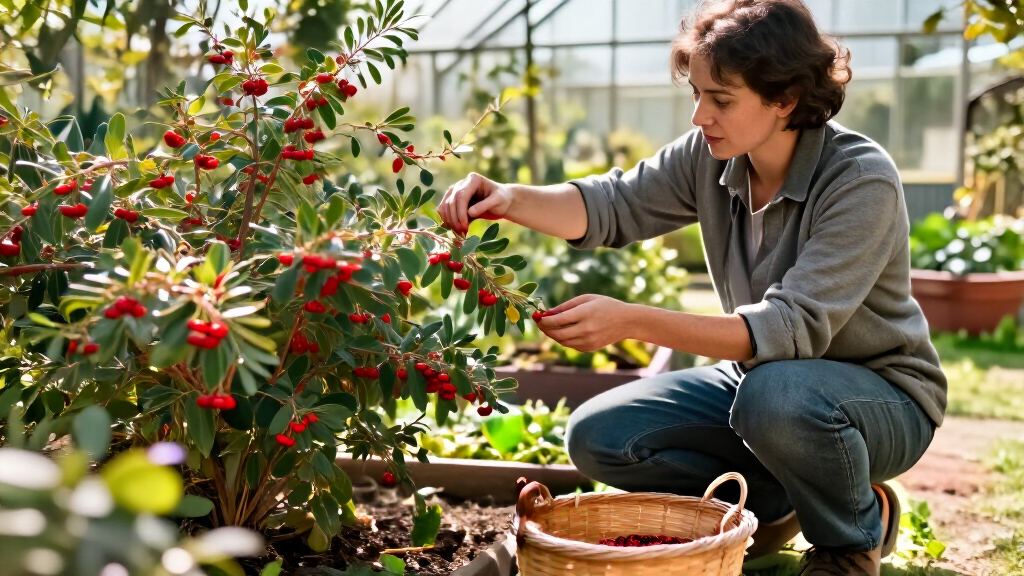
Harvest advice matters for both fruit quality and safety. The guide says to wait until berries are fully colored and softened, then pick gently because ripe fruit bruises easily. It warns against eating unripe berries. Gardeners can eat sound ripe fruit fresh, freeze it or dry it using suitable food-drying guidance. These recommendations help readers plan a harvest without treating a calendar date as reliable for every climate.
Popular right now

Dyson V8 Cyclone Cordless Vacuum

De'Longhi Classic Signature Espresso Machine with Adjustable Milk Frother

Bose QuietComfort True Wireless Earbuds with Active Noise Cancellation, Bluetooth 5.3, USB-C Charging, and IPX4 Water Resistance
As an affiliate, we earn on qualifying purchases.
Goji Growth and Garden Conditions
Goji is described in the source as a perennial, woody shrub that loses its leaves in winter and regrows in suitable climates. It is commonly grown in USDA zones 3 through 10, though the guide says actual results depend on location and winter lows. A plant may reach about 12 feet if left unpruned; the source gives a typical managed height of 3 to 6 feet, with size varying by cultivar and conditions.
The guide says goji plants are commonly self-fertile, while some gardens may see better yields with a second plant nearby. Named cultivars may begin fruiting one to two years after planting, according to the source, but maximum production may take three to five years. Those timelines are estimates, not guarantees. Container growers should use a pot with drainage holes and plan to move the shrub into a larger container as roots fill the available space; roots in pots are more exposed to winter cold than roots in the ground.
““Well-drained soil is the key; goji plants dislike soggy roots.””
— Grow Organic guide
Local Results and Harvest Timing
The source does not provide a publication date, named expert interviews, comparative trial data or a location-specific growing calendar. It also does not establish that every goji cultivar will perform equally across the stated hardiness range. Fruit timing, shrub size and yield remain dependent on cultivar, climate, soil and care. The guide’s one-to-two-year initial-fruiting estimate and three-to-five-year path to maximum production should be read as general expectations, not promises.
Pest and disease pressure is also local. The report lists aphids, mites and powdery mildew as possible problems but does not say how commonly they occur or quantify crop losses. It recommends identifying the problem before treatment and checking that any product is labeled for the crop. No specific pesticide treatment or guaranteed pest-control result is established in the supplied material.
Plan Planting and Seasonal Checks
Gardeners following the guide can begin by choosing a sunny site, checking soil drainage and testing pH before planting. During the first growing season, monitor moisture and remove weeds competing with young roots. As the shrub matures, check for root shoots, inspect leaves for pests or mildew, and prune during dormancy rather than cutting heavily in summer. Record flowering and harvest dates to help adjust care to the garden’s own conditions next year.
For container planting, the next steps are to keep drainage holes clear, move the plant to a larger pot as its roots fill the current one, and seek local Extension advice on winter protection. The source gives no follow-up date or scheduled update; growers should use local climate guidance and product labels where relevant.
Key Questions
When should I plant a goji berry shrub?
The guide recommends planting in spring, once the soil is workable. Set the shrub at the same soil level as it was in its pot, backfill and water thoroughly.
How much sun and space do goji berries need?
Full sun is recommended for the best flowering and fruiting, with partial shade potentially helpful during extremely hot afternoons. Allow about 4 to 6 feet between plants and leave space to reach the branches for harvest.
How long before a goji plant produces fruit?
According to the guide, named cultivars may begin producing in one to two years, while maximum production may take three to five years. Timing varies with cultivar and growing conditions.
How can I tell when goji berries are ready to pick?
Wait for berries to reach a full red or orange-red color and soften. Pick them gently because ripe fruit bruises easily, and do not eat unripe berries.
Can I grow goji berries in a pot?
Yes. Use a sturdy container with drainage holes and container potting mix. A five-gallon pot can start a young shrub, but mature roots need more room; protect container-grown plants from winter cold according to local advice.
Source: rss