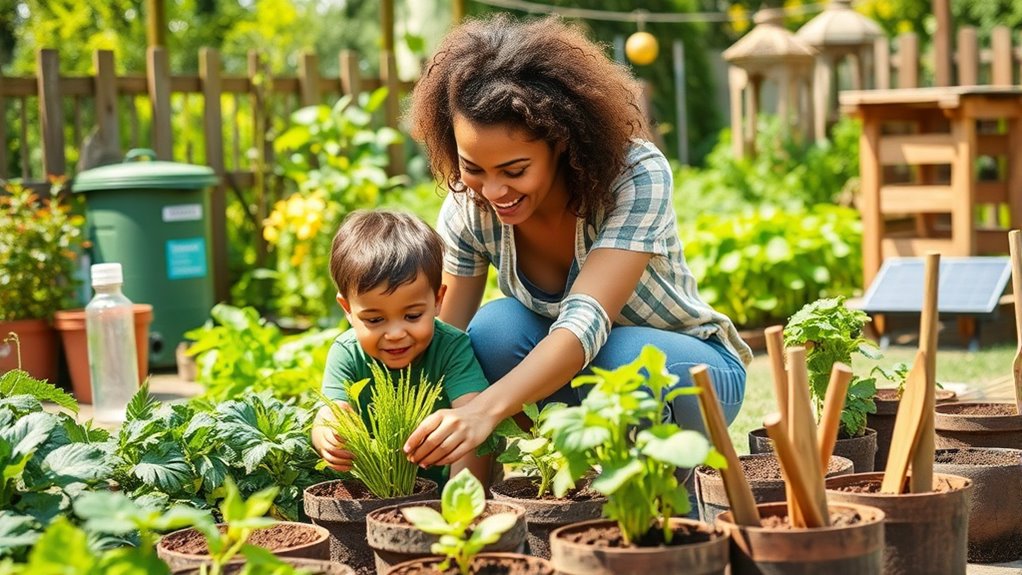

To raise kids with a smaller footprint, involve them in eco-friendly crafts, like recycling and repurposing materials. Plan sustainable meals using local produce and minimize packaging waste. Model eco-conscious behaviors such as using reusable items and conserving energy. Encourage outdoor activities that connect them with nature and foster appreciation. Have open conversations about environmental issues to build awareness. By adopting these practices, you’ll guide your children toward a more sustainable future—continue to explore ways to make a positive impact together.

Get garden gear delivered free with Prime
- Fast, free delivery on millions of items
- Prime Video, Amazon Music and more included
- Member-only deals all year
Key Takeaways
- Involve children in eco-friendly crafts to foster creativity and teach resource conservation.
- Incorporate local, seasonal foods into family meals to reduce environmental impact and promote healthy habits.
- Model sustainable behaviors like using reusable items and conserving energy to encourage children to imitate eco-friendly actions.
- Engage kids in outdoor activities to build a connection with nature and deepen their understanding of ecological systems.
- Have honest conversations about environmental issues to raise awareness and motivate responsible, sustainable choices.
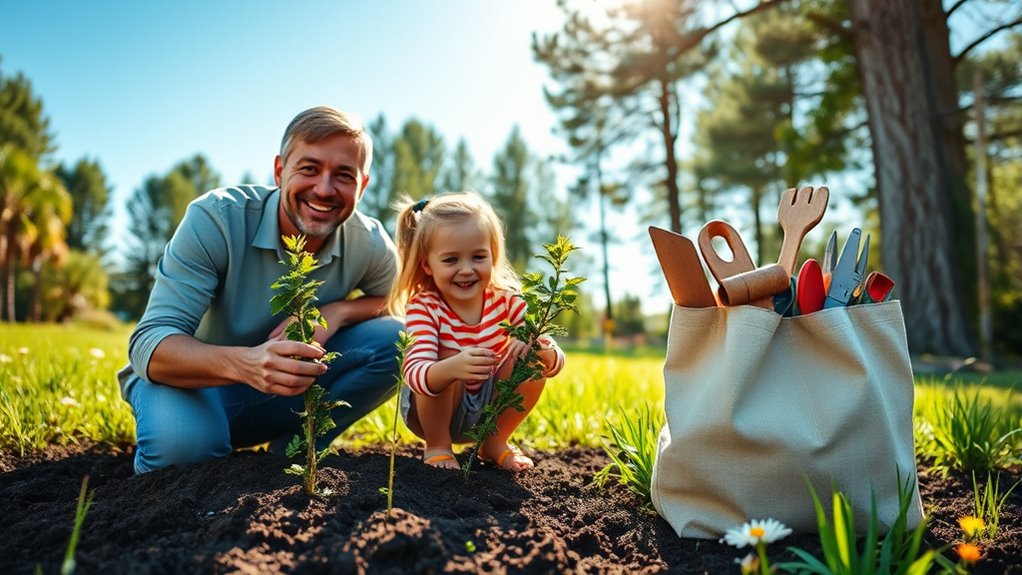
Are you looking for practical ways to raise eco-conscious children? It’s easier than you might think to help your little ones develop habits that benefit the planet. One effective approach is engaging them in eco-friendly crafts. These activities teach kids about recycling, reusing, and repurposing materials, making sustainability fun and tangible. For example, you can turn old jars into plant holders, or create art projects from scrap paper and bottle caps. Not only do these crafts foster creativity, but they also instill a sense of responsibility toward reducing waste. As you involve your children in these projects, you’re guiding them to see the value in conserving resources and thinking creatively about sustainability. Incorporating energy-efficient solutions into your home can further enhance their understanding of sustainable living. Another impactful strategy is incorporating sustainable meal planning into your family routine. By choosing local, seasonal produce and minimizing packaging waste, you’re reducing your ecological footprint while teaching your children about mindful consumption. Planning meals in advance helps avoid impulsive buys and food waste, which are significant contributors to environmental degradation. You can turn meal prep into a family affair, encouraging kids to participate in choosing ingredients, shopping responsibly, and helping in the kitchen. This hands-on involvement reinforces lessons about the importance of reducing waste, conserving energy, and supporting local farmers. Over time, your children will learn to make environmentally conscious choices at the grocery store and develop healthier eating habits. In addition to crafts and meal planning, you can foster eco-awareness by modeling sustainable behaviors daily. Use reusable bags, water bottles, and cloth napkins instead of single-use items. Turn off lights when not in use and opt for energy-efficient appliances. Your children observe and imitate your actions, so demonstrating these habits reinforces their importance. Encouraging outdoor activities also connects them with nature, strengthening their appreciation for the environment and motivating them to protect it. Finally, it is crucial to talk openly with your kids about why sustainability matters. Explain the impact of pollution, climate change, and resource depletion in language they understand. When children grasp the reasons behind your eco-friendly choices, they’re more likely to adopt those habits themselves. Combining these tips—eco-friendly crafts, sustainable meal planning, leading by example, and open conversations—sets a strong foundation for raising children with a smaller ecological footprint. In doing so, you’re not just teaching them about the environment; you’re shaping responsible, mindful individuals who will carry these values into the future.
As an affiliate, we earn on qualifying purchases.
Frequently Asked Questions
How Can I Reduce My Family’s Carbon Footprint Effectively?
To reduce your family’s carbon footprint effectively, start by improving your recycling habits—separating recyclables and reducing waste. Focus on energy conservation by turning off unused electronics, switching to energy-efficient bulbs, and insulating your home. Encourage your kids to participate in eco-friendly activities, making it a family effort. Small changes add up, helping the environment while teaching your children sustainable habits they’ll carry into the future.
What Eco-Friendly Products Are Safest for Children?
Think of eco-friendly products as a gentle breeze for your child’s world. You should choose eco-friendly toys made from natural, sustainable materials that are free from harmful chemicals. Non-toxic clothing is equally important—look for organic fabrics that keep your little one safe and comfortable. These safe choices help protect your child’s health and the environment, creating a nurturing space where they can grow strong and happy, naturally.
How Do I Teach Kids About Sustainability?
To teach your kids about sustainability, start by explaining the importance of caring for the environment. Encourage them to develop recycling habits by involving them in sorting waste and explaining how it helps reduce pollution. Get creative with eco-friendly crafts using recycled materials, making learning fun and practical. You can also take nature walks, discuss local ecosystems, and show them how small actions make a big difference in protecting our planet.
Are Organic Foods Better for Environmentally Conscious Parenting?
Imagine discovering a way to make your parenting eco-friendly—are organic foods the answer? They come from organic farming, which reduces chemical use and supports healthier soil. Plus, they often have less packaging or eco-friendly packaging, cutting down waste. Choosing organic can teach your kids about mindful eating and caring for the planet. It’s a step toward raising environmentally conscious children who understand the importance of sustainable food choices.
How Can I Encourage Outdoor Play Safely?
You can encourage outdoor play safely by promoting nature exploration in a secure environment. Always supervise your kids closely, ensuring outdoor safety by checking the area for hazards. Create opportunities for them to connect with nature, like planting a garden or exploring local parks. Equip them with appropriate gear, set boundaries, and teach safety rules. This way, they develop a love for outdoor activities while staying protected.
Conclusion
By choosing eco-friendly products, reducing waste, and teaching your children about sustainability, you create a greener future for everyone. By making small, mindful changes, you inspire responsible habits, foster caring hearts, and build a healthier planet. Remember, your actions matter — your choices matter — your voice matters. Together, you and your kids can make a difference, embrace sustainability, and raise a generation committed to caring for the Earth. Because a greener world begins with you.
Fall Picks
fall essentials
As an affiliate, we earn on qualifying purchases.