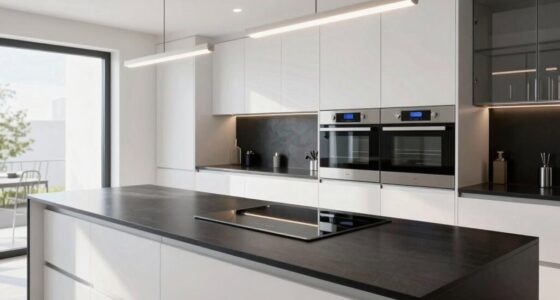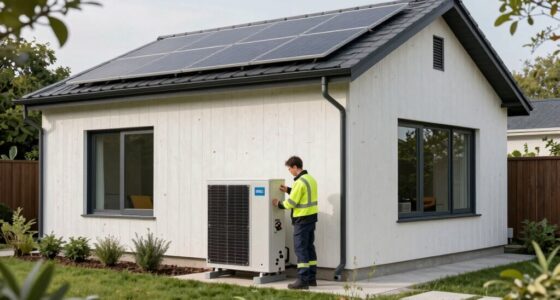
The WELL Building Standard guides you in creating spaces that boost health and well-being through better air, water, and overall environment. It emphasizes good air quality with advanced ventilation and pollution control, and guarantees your water is safe to drink through regular testing and high-quality fixtures. This standard promotes healthier lifestyles while supporting mental and physical wellness. Keep exploring to discover how these approaches can transform your space and improve daily life.

Get garden gear delivered free with Prime
- Fast, free delivery on millions of items
- Prime Video, Amazon Music and more included
- Member-only deals all year
Key Takeaways
- The WELL Building Standard promotes environments that support physical and mental well-being through design and operational practices.
- It emphasizes air quality, including advanced ventilation and filtration, to reduce indoor pollutants and improve occupant health.
- Water safety is prioritized with strict protocols for clean, contaminant-free drinking water and regular system maintenance.
- The standard incorporates rigorous certification criteria to ensure healthy indoor environments for building occupants.
- It aims to enhance daily living experiences and promote healthier lifestyles through thoughtful building design and management.
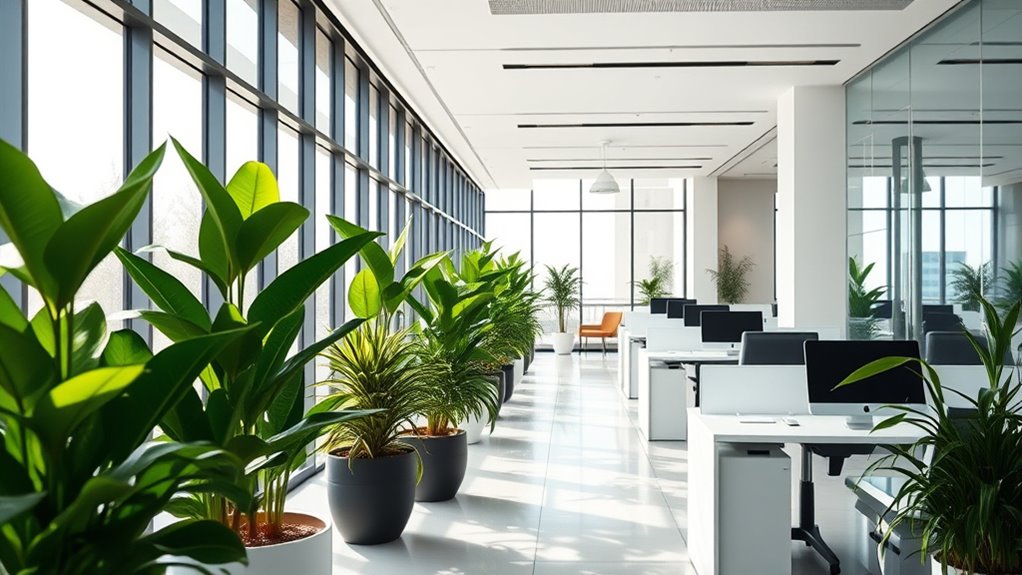
Have you ever wondered how buildings can promote healthier lifestyles for their occupants? The WELL Building Standard is designed to do just that by focusing on creating environments that support physical and mental well-being. It emphasizes the importance of air quality and water safety, recognizing that these are fundamental to health. When you step into a WELL-certified building, you’re entering a space that actively improves your everyday living experience through thoughtful design and rigorous standards.
Air quality is a critical component of the WELL Standard because poor air can lead to health issues like allergies, asthma, and fatigue. As someone who spends a significant portion of your day inside, you want an environment that minimizes pollutants and maximizes fresh air. Buildings adhering to WELL standards incorporate advanced ventilation systems, air filtration technologies, and materials that emit low or no volatile organic compounds (VOCs). These measures help reduce indoor air pollution, ensuring the air you breathe is cleaner and healthier. Regular monitoring and maintenance are also part of the standard, so air quality remains consistently high over time. This proactive approach means you’re less likely to suffer from respiratory issues and can focus more on your work or relaxation, knowing the environment is supporting your health. Additionally, integrating air purification solutions further enhances indoor air quality and comfort.
Water safety is equally essential. The WELL Standard ensures that water sources are free from contaminants and safe to drink. In many buildings, water quality can be compromised by outdated plumbing, chemical residues, or microbial growth. To counter this, WELL-certified buildings implement stringent filtration and testing protocols. They use high-quality fixtures and materials that don’t leach harmful substances into the water. Regular testing and maintenance are mandated to catch potential issues early, providing assurance that your water is not only safe but also healthy to consume. This focus on water safety reduces the risk of waterborne illnesses and promotes hydration, which is indispensable for overall health. When you have confidence in the water quality, it can positively influence your daily habits, encouraging you to drink more water and stay properly hydrated.
air purification system for indoor use
As an affiliate, we earn on qualifying purchases.
As an affiliate, we earn on qualifying purchases.
Frequently Asked Questions
How Does WELL Certification Impact Property Value?
WELL certification boosts your property’s value by showcasing your commitment to sustainable design and healthy spaces. It attracts tenants who prioritize well-being, increasing tenant satisfaction and retention. This certification differentiates your property in a competitive market, potentially commanding higher rents and resale prices. By investing in WELL standards, you enhance your property’s appeal, making it more attractive to eco-conscious tenants and investors alike.
What Is the Cost Difference for Buildings to Meet WELL Standards?
Think of the cost difference for meeting WELL standards like planting a garden—initial investments are higher, but the benefits grow over time. You’ll face cost implications such as certification fees, upgrades, and ongoing maintenance, which can add 2-4% to your construction budget. For effective budget planning, consider these costs early, and weigh them against the long-term health benefits and potential property value increase to make informed decisions.
How Long Does It Typically Take to Achieve WELL Certification?
You can typically expect the certification timeline to range from three to six months, depending on your building’s size and readiness. The process duration involves several steps, including documentation review, on-site assessments, and addressing any identified issues. Staying organized and proactive during the process helps speed things up. Keep in mind that complex projects or delays in documentation can extend the process duration, so plan accordingly to achieve your WELL certification efficiently.
Are There Any Mandatory Features for WELL Certification?
Yes, there are mandatory features for WELL certification. These mandatory features are part of the certification requirements and guarantee fundamental health and safety standards are met. You must address specific core categories, such as air, water, lighting, and comfort, to qualify. Failing to meet these core requirements can prevent certification, so you should prioritize understanding and implementing these mandatory features early in your project to streamline the certification process.
How Often Must a Building Undergo Re-Evaluation for Certification Renewal?
You need to re-evaluate your building every three years to maintain WELL certification. This process involves reviewing maintenance schedules and ensuring ongoing compliance with WELL standards. Regular re-evaluations confirm that your building continues to meet the certification’s requirements, keeping its validity intact. Staying proactive with maintenance and documentation helps you avoid lapses in certification validity and demonstrates your commitment to health and wellness standards.
Conclusion
By embracing the WELL Building Standard, you’re prioritizing health and well-being in your space. Did you know buildings that follow WELL guidelines can boost productivity by up to 11%? That’s a powerful incentive to design environments that support physical and mental health. When you incorporate these standards, you’re not just creating a building—you’re fostering a healthier, more vibrant community. Start making mindful choices today; your space can truly transform lives.
Columbus Day / Indigenous Peoples' Day Picks
long weekend sales
As an affiliate, we earn on qualifying purchases.