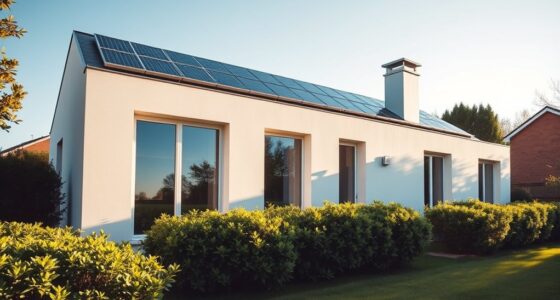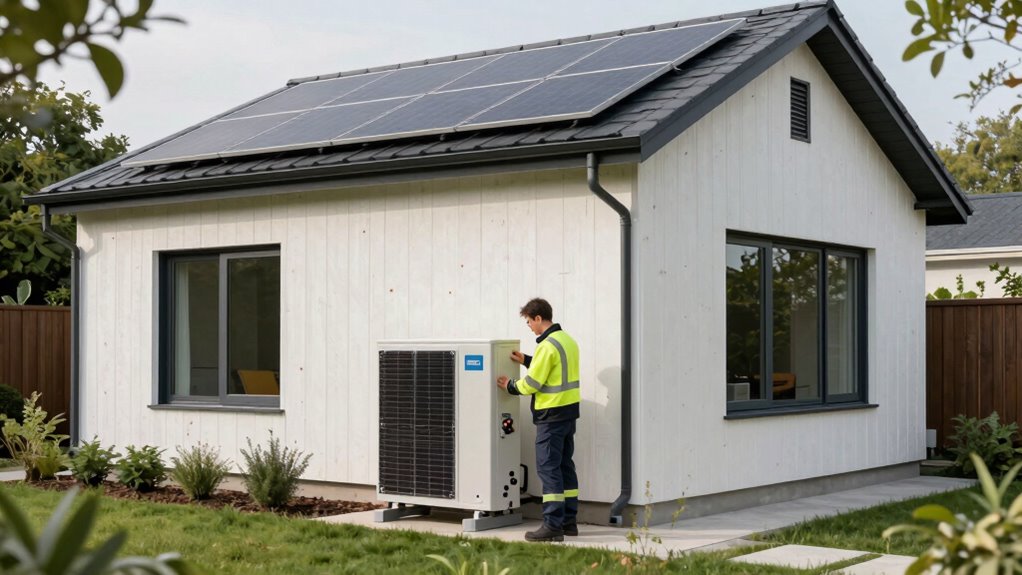

A deep energy retrofit works by combining thorough building envelope upgrades with integrated renewable energy systems. You need to identify major energy drains through detailed assessments and then prioritize improvements like insulation, sealing leaks, and installing energy-efficient windows. Incorporating renewable solutions such as solar panels enhances sustainability and reduces reliance on the grid. Proper planning, expert execution, and ongoing maintenance ensure lasting performance. Keep exploring to discover how these essential steps come together for successful retrofits.

Get garden gear delivered free with Prime
- Fast, free delivery on millions of items
- Prime Video, Amazon Music and more included
- Member-only deals all year
Key Takeaways
- Comprehensive assessment identifies major energy losses and prioritizes impactful upgrades.
- Proper building envelope upgrades enhance insulation, sealing leaks, and improve thermal performance.
- Integration of renewable energy sources complements energy efficiency measures and boosts sustainability.
- Collaboration with experienced professionals ensures correct installation and effective system integration.
- Ongoing maintenance and monitoring sustain performance, savings, and occupant comfort over time.
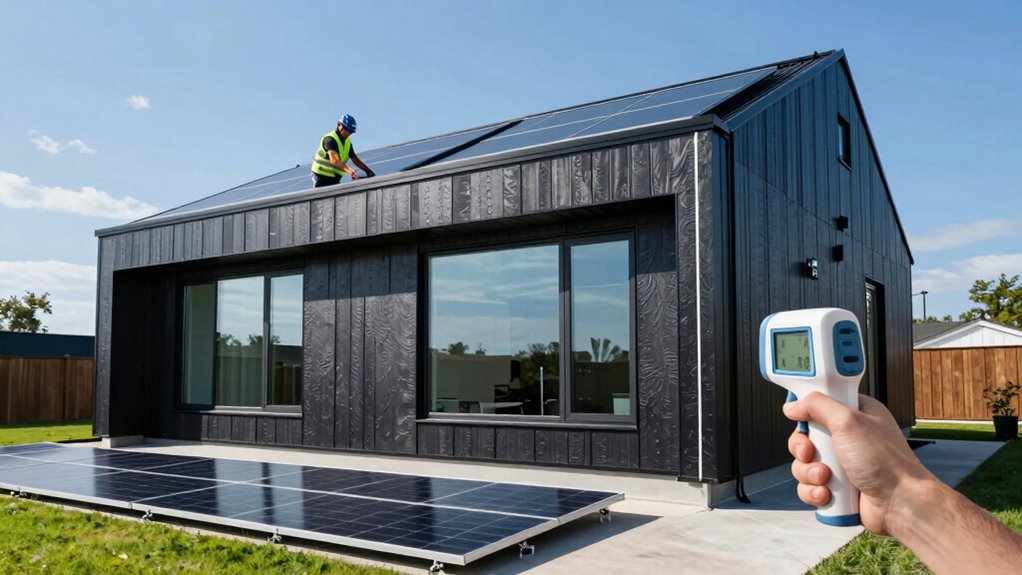
Have you ever wondered how to markedly reduce your building’s energy consumption while improving comfort and durability? A deep energy retrofit can do just that, but only if it’s executed correctly. Central to its success is understanding the importance of the building envelope. The building envelope acts as the barrier that separates the interior from the outside environment. When it’s properly upgraded, it minimizes heat loss in winter and keeps heat out in summer, drastically reducing the need for heating and cooling. Insulating walls, sealing leaks, and installing energy-efficient windows are all essential steps. These improvements not only boost comfort but also guarantee that the building’s thermal performance is optimized, which is critical for long-term energy savings. Properly upgrading the building envelope also involves addressing air leakage, which can significantly impact energy efficiency. Additionally, integrating building science principles can help identify the most effective retrofit strategies tailored to specific building conditions. Incorporating energy modeling can further enhance the accuracy of these strategies and ensure optimal outcomes. Applying energy audits can provide detailed insights into existing inefficiencies, guiding targeted improvements. Implementing comprehensive performance assessments can also help ensure that retrofit measures deliver the expected energy savings and occupant comfort.
Upgrading the building envelope reduces heat loss and enhances comfort for long-term energy efficiency.
In addition to upgrading the building envelope, integrating renewable energy sources amplifies the benefits of a retrofit. Solar panels, for example, can generate electricity right on your roof, decreasing dependence on grid power and lowering utility bills. Solar thermal systems can also provide hot water, further reducing energy demand. The key to success lies in designing a thorough approach that combines these renewable energy solutions with efficient building envelope upgrades. When done correctly, renewable energy can supply a significant portion of a building’s energy needs, making it more sustainable and resilient.
Achieving a deep energy retrofit isn’t just about adding new technology; it’s about a holistic approach. You need to assess the building’s current energy performance carefully. This often involves detailed energy modeling and on-site evaluations to identify where improvements will have the greatest impact. It’s necessary to prioritize upgrades that address major energy drains, such as poorly insulated walls or outdated HVAC systems. Once those are in place, integrating renewable energy systems can maximize the retrofit’s overall efficiency.
Another key factor is careful planning and execution. You’ll want to work with experienced professionals who understand both building science and renewable energy technologies. Proper installation ensures the systems work as intended, avoiding issues like air leaks or system inefficiencies. Maintenance also plays a role; keeping your upgraded building envelope and renewable energy systems in top shape ensures ongoing performance and savings.
In essence, a successful deep energy retrofit hinges on a well-insulated building envelope, strategic renewable energy integration, meticulous planning, and expert execution. When these elements come together, your building transforms into a high-performance, energy-efficient space that offers comfort, durability, and long-term savings.
energy efficient windows for retrofit
As an affiliate, we earn on qualifying purchases.
As an affiliate, we earn on qualifying purchases.
Frequently Asked Questions
How Do I Prioritize Retrofit Measures for My Specific Climate?
You should start by evaluating your climate to prioritize retrofit measures effectively. Focus on climate-specific insulation to improve energy efficiency without over-insulating in milder zones. Check local energy codes to ensure your upgrades meet regulations and maximize incentives. Prioritize measures that address your climate’s unique challenges, like ventilation in humid areas or heating in cold zones. This tailored approach ensures your retrofit is both effective and compliant.
What Are Common Pitfalls During Deep Energy Retrofits?
Imagine building a house of cards, where a single shaky step can cause the entire structure to collapse. Common pitfalls in deep energy retrofits include neglecting proper retrofit financing, which can leave projects underfunded, and poor stakeholder engagement, causing misaligned goals and resistance. You need to secure solid financing and involve everyone early on, ensuring clear communication to keep the project stable and successful throughout the retrofit process.
How Long Does a Typical Deep Energy Retrofit Process Take?
A typical deep energy retrofit takes about 6 to 12 months, depending on the project’s scope. You’ll spend time on insulation installation and implementing effective ventilation strategies to maximize energy efficiency. During this period, you’ll coordinate assessments, obtain permits, and oversee construction. The process often involves phased work to guarantee quality. Staying organized and communicating with contractors helps keep the project on schedule, guaranteeing you achieve your energy and comfort goals efficiently.
What Are the Most Cost-Effective Retrofit Strategies?
You should focus on cost-effective retrofit strategies like installing innovative insulation to reduce energy loss and improve thermal performance. Additionally, integrating renewable energy sources, such as solar panels, can considerably lower long-term costs and carbon footprint. Prioritize these approaches to maximize savings and efficiency, ensuring your retrofit delivers substantial energy reductions without overspending. Combining innovative insulation with renewable integration makes your retrofit more sustainable and financially viable.
How Can I Ensure Building Durability After Retrofit?
Imagine your building’s layers like a carefully woven fabric, each material contributing to its strength. To guarantee durability after retrofit, you select high-quality, compatible building materials that resist moisture and temperature changes. Proper insulation and sealing prevent damage over time. Additionally, securing retrofit financing helps fund ongoing maintenance, making sure your building stays resilient. Regular inspections and timely repairs preserve its integrity, so that your retrofit’s benefits last for years.
Conclusion
To make a deep energy retrofit work, you need to plan carefully, prioritize effectively, and execute precisely. You must understand your building’s unique needs, embrace innovative solutions, and commit to continuous improvement. You must assess thoroughly, act decisively, and monitor closely. In doing so, you create a space that’s efficient, comfortable, and sustainable—transforming your building into a model of resilience, responsibility, and renewal. It’s a journey of dedication, detail, and determination—one that pays off in every well-worn corner.
Fall yard work Picks
leaf blowers
As an affiliate, we earn on qualifying purchases.