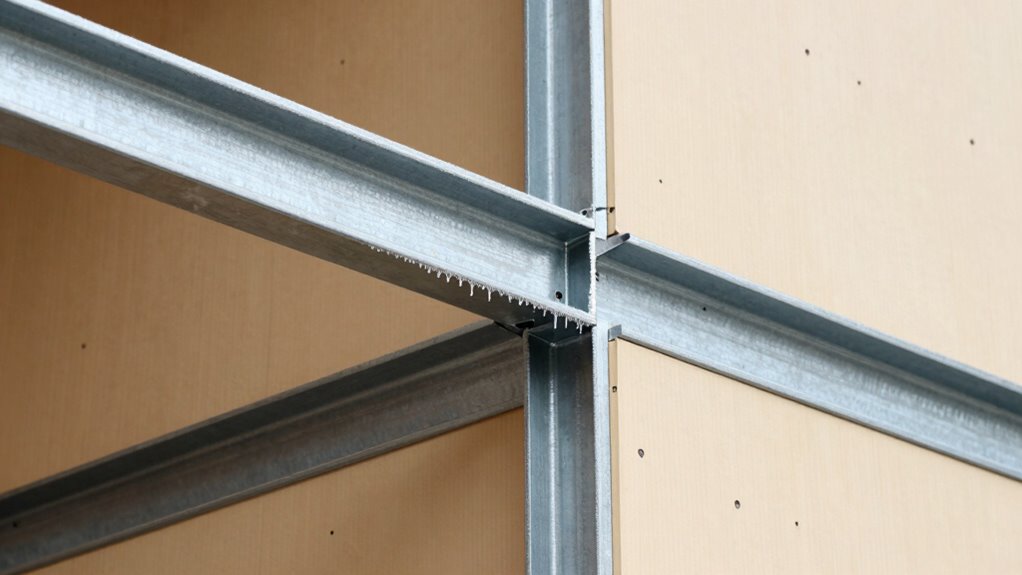

Thermal bridging creates hidden energy loss because heat bypasses insulation through structural elements like metal beams or concrete, which have higher thermal conductivity. This means heat escapes or enters your building without visible signs, reducing overall insulation effectiveness. These pathways often go unnoticed since they don’t cause obvious drafts or damage. Understanding how materials affect heat transfer reveals how these hidden leaks happen and how to prevent them. Keep exploring to discover ways to minimize these energy-wasting pathways.

Get garden gear delivered free with Prime
- Fast, free delivery on millions of items
- Prime Video, Amazon Music and more included
- Member-only deals all year
Key Takeaways
- Thermal bridging enables heat transfer through structural elements, bypassing insulation and causing unnoticed energy loss.
- High-conductivity materials like metal and concrete create pathways that reduce the building’s overall thermal resistance.
- These hidden pathways often go unnoticed because they do not cause visible damage or drafts.
- Thermal bridges increase heating and cooling loads without obvious signs, leading to unrecognized energy wastage.
- Addressing thermal bridges with proper insulation and design strategies minimizes unseen energy losses.
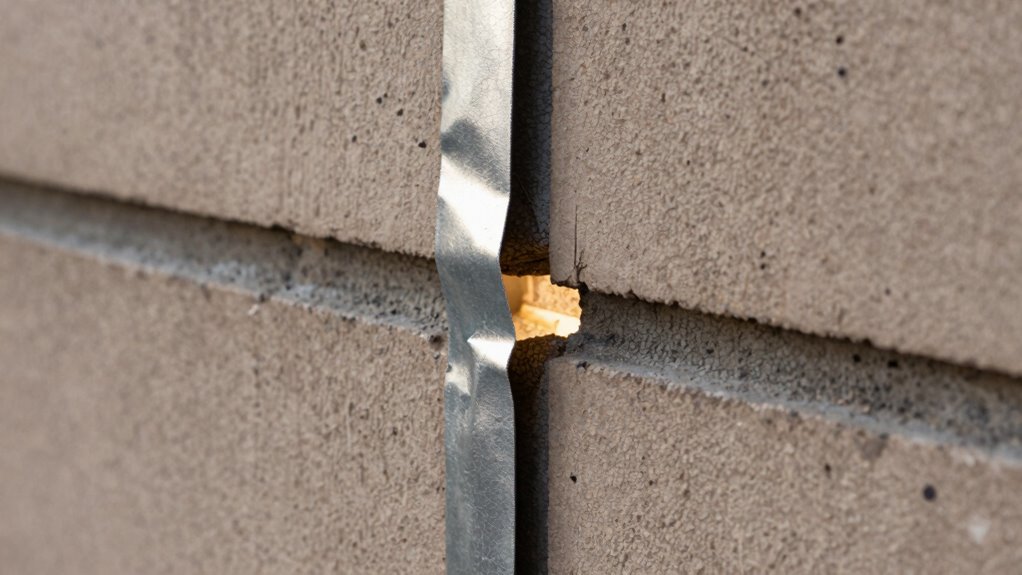
Thermal bridging occurs when heat transfers through structural elements that have higher thermal conductivity than surrounding insulation, leading to notable energy loss in buildings. When you look at your walls, you might notice areas where insulation isn’t continuous or effective. These insulation gaps allow heat to escape more easily, especially if the materials used in your building’s structure conduct heat well. The key issue here is material conductivity—some materials, like metal or concrete, transfer heat much more efficiently than insulation, creating pathways for heat flow that bypass the insulation layer.
Thermal bridges allow heat to bypass insulation, causing energy loss through high-conductivity materials like metal and concrete.
You might think your insulation system is doing its job, but these gaps and conductive materials undermine its effectiveness. When building components like steel beams, window frames, or concrete slabs are present, they act as thermal bridges. These parts have high material conductivity, so heat flows through them much faster than through the insulated sections. As a result, even if you have thick insulation, these thermal bridges can substantially reduce the overall thermal resistance of your building envelope. This leads to unexpected heat loss during winter and unwanted heat gain in summer, increasing your energy bills without you realizing why.
What makes this problem even trickier is that thermal bridges often go unnoticed because they don’t necessarily cause visible damage or obvious drafts. Instead, they silently transfer heat, creating hidden energy losses. You might feel drafts near windows or corners, but the real culprit could be the thermal bridge formed by a structural element with high conductivity. Insulation gaps, which are often overlooked during construction or renovation, worsen the problem. These gaps reduce the insulation’s effectiveness, providing a direct route for heat to escape or enter your building. Recognizing the importance of thermal management techniques and proper insulation practices is essential for long-term energy efficiency. Paying attention to building materials can help identify potential thermal bridges early in the design or renovation process.
Understanding material conductivity helps you grasp why some parts of your structure are more problematic than others. Materials like wood or foam have low conductivity and act as decent insulators, but metals and concrete are the opposite. When these high-conductivity materials are part of your building’s framework, they serve as thermal bridges that bypass your insulation. The result is a hidden energy loss that drains your heating and cooling efficiency. Recognizing the role of thermal bridges in energy transfer is crucial for implementing effective solutions. Additionally, incorporating thermal break techniques can significantly reduce heat transfer through these problematic areas. Incorporating insulation strategies that target these high-conductivity pathways can further enhance your building’s energy performance. By addressing these issues, you can take targeted steps, improving your building’s overall energy performance and reducing hidden energy losses caused by thermal bridging.
As an affiliate, we earn on qualifying purchases.
Frequently Asked Questions
Can Thermal Bridging Occur in All Types of Buildings?
Yes, thermal bridging can occur in all types of buildings. You’ll find it happens when material vulnerabilities in construction techniques allow heat to bypass insulation, regardless of building style. This issue isn’t limited to specific structures; it’s a common challenge across residential, commercial, and industrial buildings. By understanding how material vulnerabilities contribute to thermal bridging, you can better address energy loss and improve overall energy efficiency in any building type.
How Does Thermal Bridging Impact Indoor Air Quality?
Imagine you’re in a Victorian mansion, unaware of thermal bridges lurking behind the scenes. Thermal bridging impacts indoor air quality by allowing heat to escape and outdoor moisture to infiltrate, leading to increased indoor moisture. This excess moisture fosters mold growth and reduces air quality, making your environment less healthy. Addressing thermal bridges helps maintain better indoor moisture levels and guarantees cleaner, safer air for you and your family.
Are There Specific Materials More Prone to Causing Thermal Bridges?
Materials like metal, concrete, and certain types of framing are more prone to causing thermal bridges due to their vulnerabilities. These materials often have insulation weaknesses or high thermal conductivity, allowing heat to transfer easily. As a result, they create pathways for energy loss. You should pay close attention to these vulnerable materials in your building design and consider using thermal breaks or insulation enhancements to minimize the impact of thermal bridging.
What Are the Long-Term Costs Associated With Thermal Bridging?
Think of thermal bridging as a silent thief, quietly draining your energy and money over time. The long-term costs include increased utility bills due to lost heat, and maintenance challenges from potential moisture damage or mold growth around these cold spots. These hidden inefficiencies can escalate, making your home less comfortable and more expensive to maintain. Addressing thermal bridging early helps you save money and avoid costly repairs down the line.
Can Thermal Bridging Be Completely Eliminated in Construction?
You can’t completely eliminate thermal bridging in construction, but you can substantially reduce it with effective insulation techniques and material barriers. Using continuous insulation, advanced framing methods, and breakable material barriers helps minimize heat transfer through building components. While some minor bridging may remain, these strategies greatly improve energy efficiency, lower heating and cooling costs, and enhance overall comfort. Proper design and construction practices are key to managing thermal bridging effectively.
Conclusion
Understanding thermal bridging is like uncovering a hidden leak in your home’s energy armor. When you identify and address these invisible gaps, you prevent heat from sneaking out, much like sealing a crack in a dam. By doing so, you not only save on energy costs but also create a more comfortable and efficient living space. Don’t let unseen flaws drain your resources—tackle thermal bridging and keep your home’s warmth where it belongs.
Fall Picks
fall essentials
As an affiliate, we earn on qualifying purchases.