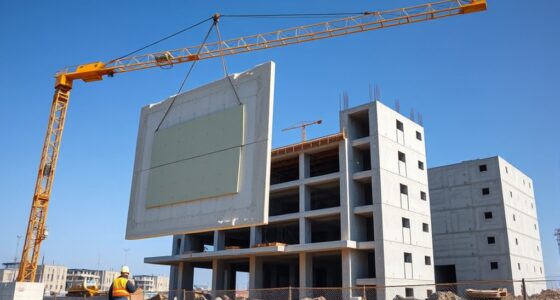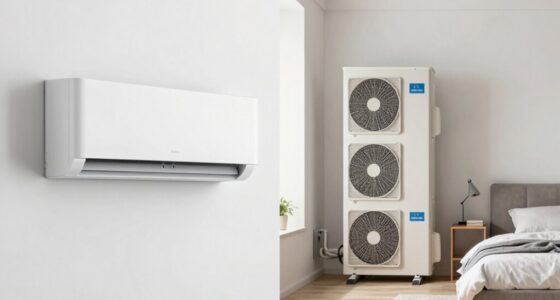

Airtightness improves your comfort by preventing drafts and maintaining consistent temperature and humidity levels, which reduces cold spots and sudden temperature changes. It also enhances your health by limiting the infiltration of pollutants, dust, and allergens, creating a cleaner indoor environment. Proper sealing controls ventilation, balancing fresh air with energy efficiency. When your home is airtight, you’ll enjoy a quieter, more private space with fewer external noises. Keep exploring to discover how airtightness can further boost your indoor environment.

Get garden gear delivered free with Prime
- Fast, free delivery on millions of items
- Prime Video, Amazon Music and more included
- Member-only deals all year
Key Takeaways
- Improved airtightness maintains consistent indoor temperatures, reducing drafts and cold spots for greater comfort.
- Proper sealing minimizes pollutant and allergen entry, enhancing indoor air quality and health.
- Airtight homes prevent excess moisture buildup, lowering mold and mildew risk.
- Reduced external noise entry creates a quieter, more peaceful living environment.
- Balanced airtightness with effective ventilation ensures fresh air without compromising energy efficiency.
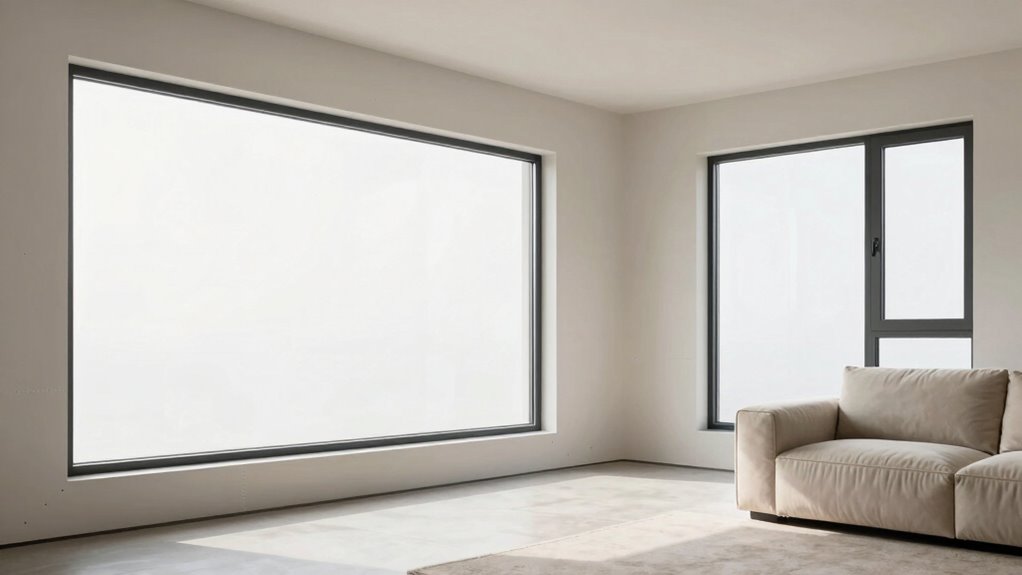
Airtightness plays a crucial role in enhancing your overall comfort at home. When your house is properly sealed, you control indoor airflow more effectively, which means you can maintain a consistent temperature and humidity level. This stability reduces drafts and cold spots, making your living space more comfortable year-round. Proper airtightness prevents unwanted air leaks that can cause temperature fluctuations, so you won’t constantly be adjusting the thermostat or feeling chilly near windows and doors. It also helps in managing indoor air quality, as you can better regulate ventilation and reduce the infiltration of pollutants, dust, and allergens from outside. Achieving good airtightness can also contribute to energy efficiency, helping you save on heating and cooling costs.
Beyond temperature control, airtightness considerably impacts noise insulation. When your home is sealed tightly, you cut down on the amount of external noise that enters your living space. This creates a quieter environment, allowing you to relax or work without distraction. Whether it’s traffic, neighbors, or street sounds, a well-sealed home acts as a barrier that muffles these interruptions. This improved noise insulation contributes to a sense of peace and privacy, especially in busy urban areas or noisy neighborhoods. The combination of better indoor airflow and noise insulation enhances your comfort, making your home a sanctuary from the hustle and bustle outside.
However, achieving airtightness isn’t just about sealing gaps. It involves carefully designing your home’s ventilation system to ensure fresh air circulates without losing the benefits of a sealed environment. Mechanical ventilation with heat recovery can bring in fresh air while retaining warmth, further improving indoor airflow without sacrificing energy efficiency. Good airtightness also minimizes humidity issues—preventing excessive moisture buildup that can lead to mold and mildew, which are detrimental to your health. Proper ventilation systems and air filtration can help maintain indoor air quality and ensure your home remains healthy and comfortable. Additionally, understanding the importance of building envelope performance can help in achieving the optimal balance between airtightness and ventilation.
As an affiliate, we earn on qualifying purchases.
Frequently Asked Questions
How Does Airtightness Influence Indoor Air Quality?
Airtightness directly impacts your indoor air quality by controlling the entry of indoor pollutants and reducing drafts. When your home is well-sealed, you need effective ventilation strategies to bring in fresh air and remove pollutants like dust, mold, and volatile organic compounds. Proper airtightness, combined with controlled ventilation, guarantees cleaner air, minimizes health risks, and keeps your environment comfortable and safe.
Can Airtightness Reduce Heating and Cooling Costs?
Yes, airtightness can markedly reduce your heating and cooling costs. When your home is tightly sealed, you prevent unwanted air leaks, enhancing energy efficiency. This control over ventilation means less energy is wasted heating or cooling outdoor air. As a result, your system works smarter, not harder, keeping your home comfortable while lowering utility bills. The key is balancing airtightness with proper ventilation to maximize savings and comfort.
What Are Common Signs of Poor Airtightness?
You’ll notice drafting challenges like cold spots, uneven temperatures, or drafts around doors and windows, signaling poor airtightness. Construction errors, such as gaps or cracks in walls, ceilings, or around fixtures, often cause these issues. These leaks allow air to escape or enter, making your home uncomfortable and harder to heat or cool efficiently. Addressing these signs promptly improves comfort, reduces energy costs, and prevents further damage from moisture or drafts.
How Is Airtightness Tested in Buildings?
Did you know that buildings with poor airtightness can waste up to 30% of their energy? To test airtightness, you use a blower door, which depressurizes the building and measures air leakage. Leak detection tools identify where air escapes, helping you pinpoint problem areas. This process guarantees your building maintains good airtightness, improving comfort, reducing energy costs, and enhancing health by minimizing drafts and pollutants.
What Materials Improve Airtightness Effectively?
You can improve airtightness effectively by using high-quality sealing techniques like weatherstripping, caulking, and tape around windows, doors, and joints. Incorporate insulation materials such as spray foam, rigid foam boards, or mineral wool, which not only insulate but also seal gaps. These materials and techniques work together to reduce air leaks, enhance energy efficiency, and promote a healthier, more comfortable indoor environment.
Conclusion
By now, you realize that airtightness plays a vital role in your comfort and health. When your home’s airtightness improves, you’ll breathe easier, feel warmer, and enjoy a more consistent environment—just like the cozy, modern homes of today. Don’t forget, even in the age of castles and tapestries, keeping out drafts was key to comfort. So, embrace airtightness, and let your home be as snug and healthy as a well-woven tapestry in the finest castle.
Halloween Picks
halloween
As an affiliate, we earn on qualifying purchases.