
Rain gardens and bioswales are smart, sustainable solutions for managing stormwater on your property. They use native plants and specially designed soils to capture and filter runoff, reducing strain on traditional drainage systems and preventing pollution from reaching waterways. These features also create habitats for local wildlife and boost landscape resilience. If you want to discover how to incorporate these eco-friendly features effectively, you’re about to learn more.
Key Takeaways
- Rain gardens and bioswales are designed to manage stormwater runoff, reducing pollution and easing pressure on traditional drainage systems.
- Selecting native plants enhances stormwater filtration, supports local wildlife, and increases the garden’s resilience.
- Proper site design involves digging depressions, layering soil, and planning drainage to maximize water absorption and filtration.
- Plant placement should include taller species at the back or center, with shorter natives at edges for aesthetic appeal and filtration.
- Regular maintenance, including invasive species removal and mulching, ensures long-term functionality and low-cost water management.
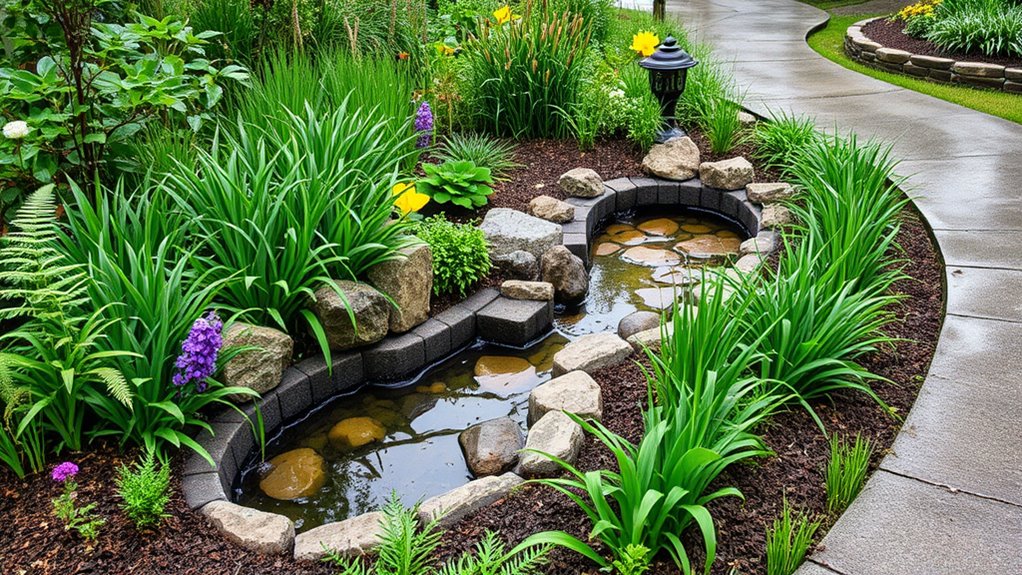
Rain gardens and bioswales are eco-friendly solutions that help manage stormwater runoff effectively. When you implement these features, you’re taking a proactive step toward better stormwater management, reducing the burden on traditional drainage systems, and protecting local waterways from pollution. The key to their success lies in thoughtful design, especially when it comes to native plant selection. Native plants are adapted to your region’s climate and soil conditions, making them more resilient and easier to maintain. They also provide essential habitat for local wildlife, creating a more sustainable landscape.
Native plants boost stormwater management, enhance resilience, and support local wildlife in eco-friendly rain gardens and bioswales.
Choosing the right native plants is vital because it guarantees your rain garden or bioswale functions at its best. Native species typically require less water, fertilizers, and pesticides, which keeps maintenance manageable and costs low. When selecting plants, consider their root depth and growth habits. Deep-rooted plants help absorb and filter stormwater more effectively, while a diverse mix of species enhances the ecosystem’s resilience. By planting a variety of native grasses, perennials, and shrubs, you create a natural filtration system that traps pollutants and reduces runoff volume.
Designing a rain garden or bioswale with native plants in mind also means paying attention to the soil and drainage patterns. You’ll want to dig a depression or a shallow basin that captures stormwater during rainfalls. The soil should be amended or layered to encourage infiltration and filtration. As water flows into your garden or swale, the native plants’ roots work to break down pollutants and absorb excess nutrients, improving water quality downstream. Incorporating native plant selection into your stormwater management plan supports ecological health and reduces your environmental impact.
You should also think about the plant placement. Place taller native plants at the back or center to provide structure, and fill in with shorter species along the edges for visual appeal and additional filtration. This arrangement not only maximizes stormwater management but also creates an attractive landscape feature. Regular maintenance, such as removing invasive species and mulching, helps keep your rain garden or bioswale functioning efficiently over time.
Incorporating native plant selection into your stormwater management plan supports ecological health and reduces your environmental impact. With proper design and plant choices, you’ll create a sustainable, low-maintenance landscape that effectively manages runoff, filters pollutants, and provides habitat for local wildlife. By understanding the importance of native plants and their role in stormwater management, you set the foundation for a beautiful, functional landscape that benefits both your property and the environment.

A Northern Gardener's Guide to Native Plants and Pollinators
As an affiliate, we earn on qualifying purchases.
As an affiliate, we earn on qualifying purchases.
Frequently Asked Questions
How Much Maintenance Do Rain Gardens Require Annually?
You’ll find that rain gardens require moderate annual maintenance, mainly involving seasonal care like removing debris and weeds, and checking plant health. The maintenance cost is generally affordable, especially if you stay proactive. Regular inspections ensure proper drainage and plant growth, preventing clogging or erosion. By dedicating some time each season, you keep your rain garden functioning effectively, saving money on costly repairs and ensuring it continues to benefit your landscape.
Can Rain Gardens Be Installed in Small Residential Yards?
Yes, you can definitely install rain gardens in small residential yards. With thoughtful sizing and strategic placement, you’ll turn tiny spaces into terrific, water-wise wonders. Keep in mind, yard size influences installation costs, so smaller yards often mean lower expenses. You’ll want to contemplate compact, cost-effective designs that suit your space, ensuring your eco-friendly effort effectively manages runoff while fitting comfortably into your cozy corner.
What Plants Are Best Suited for Bioswales?
You should choose native species that are drought-tolerant for bioswales. Plants like switchgrass, sedum, and blue flag iris thrive in these environments, helping absorb runoff and filter pollutants. Native plants adapt better to local conditions, require less watering, and support local ecosystems. Drought-tolerant options guarantee your bioswale remains healthy during dry spells, making them an eco-friendly and low-maintenance choice for effective stormwater management.
How Do Rain Gardens Affect Local Groundwater Levels?
Rain gardens help increase groundwater recharge by allowing water to seep into the soil naturally. This process supports replenishing underground aquifers and maintains local water tables. Additionally, rain gardens prevent contamination by filtering pollutants like fertilizers and pesticides before they reach groundwater sources. Your efforts in designing and maintaining rain gardens directly contribute to healthier groundwater levels and protect water quality in your community.
Are Rain Gardens Effective During Heavy or Prolonged Storms?
Yes, rain gardens are effective during heavy or prolonged storms. They work by capturing stormwater runoff, allowing soil absorption to filter pollutants and reduce flooding. As water flows into the garden, it slows down, giving the soil more time for filtration and absorption. This process helps manage stormwater effectively, preventing overwhelmed drainage systems and minimizing erosion, even during intense storms.
bioswale plant kits
As an affiliate, we earn on qualifying purchases.
As an affiliate, we earn on qualifying purchases.
Conclusion
Think of rain gardens and bioswales as the Earth’s gentle sponges, soaking up stormwater like a gust of fresh air. By planting these natural filters, you’re not just managing water—you’re nurturing a living, breathing system that protects your community. When you create these landscapes, you’re planting seeds of resilience, turning your yard into a guardian that calmly absorbs and cleanses water, keeping everything flow smoothly like a well-orchestrated symphony of nature’s harmony.
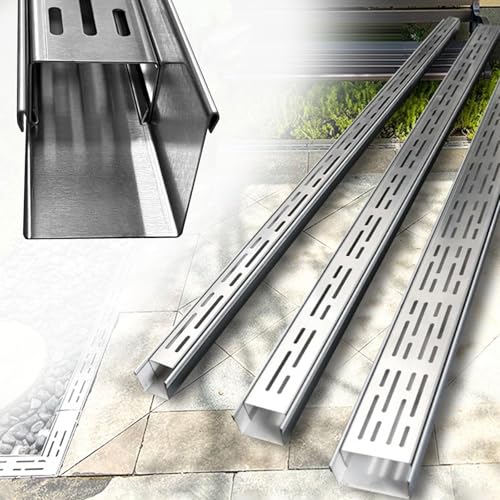
Channel Drain Kit for Storm Water Management – Invisible Rainwater Gutter System for Yard, Garden, Patio & Terrace – Narrow Slotted French Trough for Efficient Drainage
Stainless Steel Construction: Crafted from premium Stainless Steel, our Slotted Drains provide outstanding durability and resistance to rust…
As an affiliate, we earn on qualifying purchases.
As an affiliate, we earn on qualifying purchases.

HealthiStraw GardenStraw, 3 cu ft (20 lbs) All-Natural Mulch for Gardens, Vegetables & Lawn Seeding – Water-Conserving Wheat Straw – Thoroughly Cleaned, Sustainable
All-Natural & Clean Mulch —Sustainably sourced 100% non-GMO wheat straw is naturally filtered to remove dust, dirt, and…
As an affiliate, we earn on qualifying purchases.
As an affiliate, we earn on qualifying purchases.