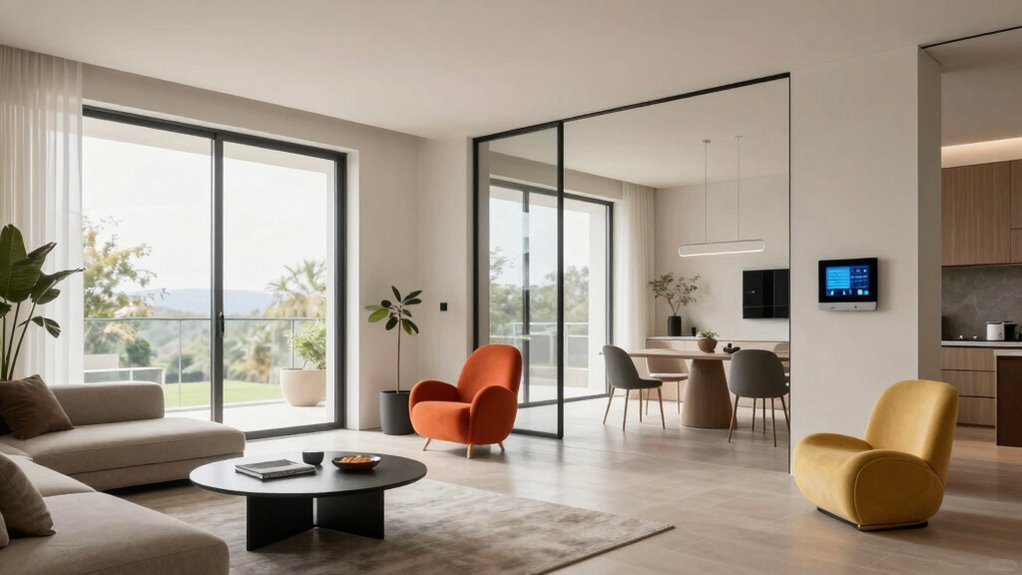

Future-ready homes need flexible design so they can adapt to your changing lifestyle and technology. Flexible layouts, like open plans and movable partitions, let you reconfigure spaces easily. Smart systems learn your routines and give you control with less effort. Using sustainable materials guarantees durability and future upgrades. Embracing these principles keeps your home relevant, resilient, and comfortable over time. If you continue exploring, you’ll discover how to create environments that truly grow with you.
Listen free for 30 days with Audible
Thousands of audiobooks and originals — cancel anytime.
As an affiliate, we earn on qualifying purchases.
Key Takeaways
- Flexible design allows homes to adapt seamlessly to changing lifestyles and technological advancements.
- It enables reconfiguration of spaces to meet evolving needs without costly renovations.
- Open layouts and movable partitions support multifunctional use of rooms over time.
- Combining flexibility with smart technology creates responsive, energy-efficient living environments.
- Flexible designs enhance home longevity and resilience against future environmental or lifestyle changes.
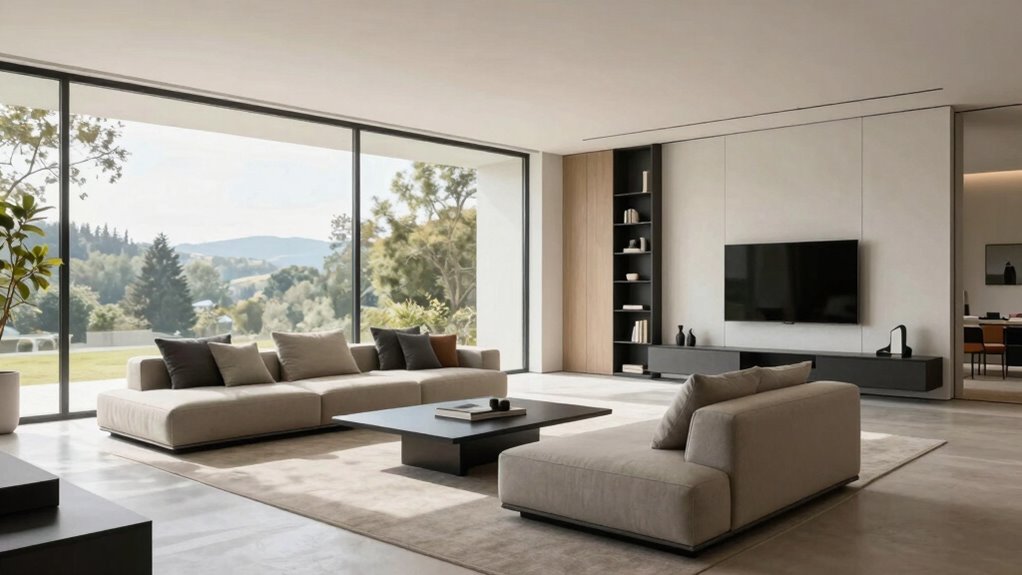
As technology advances and lifestyles evolve, homes must adapt to meet changing needs, making future-ready design more important than ever. You want a space that can grow with you, respond to new demands, and stay relevant over time. You want a space that can grow with you, respond to new demands, and stay relevant over time. Flexible design is the key to achieving this, allowing your home to transform easily without costly renovations. Incorporating smart technology into your home is a smart move, enabling you to control lighting, security, and climate with a few taps. Smart systems can learn your routines, optimize energy use, and enhance your comfort, making your home more efficient and responsive. When combined with a flexible layout, these technologies create a seamless environment that adapts to your lifestyle changes, whether it’s working from home, hosting guests, or aging in place. Utilizing industry insights can help you stay informed about the latest trends and innovations in future-ready home design.
Future-ready homes adapt effortlessly with smart tech, flexible layouts, and sustainable materials for lasting comfort and relevance.
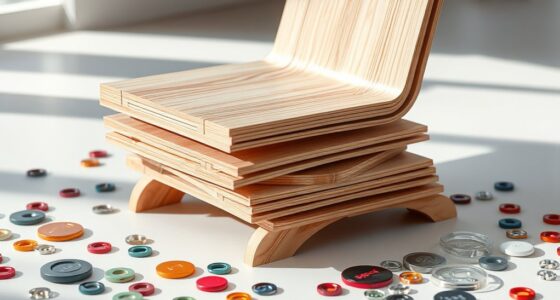
Sustainable materials play a vital role in future-ready homes, too. These eco-friendly choices aren’t just about reducing your carbon footprint—they also contribute to a versatile, durable, and healthy living space. Using sustainable materials like bamboo flooring, recycled metal fixtures, and low-VOC paints ensures your home remains resilient and adaptable over time. These materials often require less maintenance, last longer, and can be easily reconfigured or replaced as your needs evolve. When your home’s foundation is built with sustainability in mind, it’s better prepared for future upgrades and modifications, emphasizing the importance of eco-friendly choices in a flexible design philosophy. Incorporating building resilience through sustainable materials helps ensure your home can withstand environmental changes and use over time. Additionally, integrating innovative building techniques can further enhance your home’s adaptability and longevity.
A future-ready home isn’t static; it’s a dynamic space that can accommodate your changing life circumstances. Flexible design principles encourage open floor plans, movable partitions, and multi-purpose rooms, giving you the freedom to reimagine your space whenever necessary. With smart technology integrated into these adaptable layouts, you can reprogram your environment effortlessly—turn a guest room into a home office or create a quiet retreat in a shared space. This adaptability ensures your home remains functional and comfortable, regardless of how your needs shift over the years.
movable room partitions for flexible home layout
As an affiliate, we earn on qualifying purchases.
As an affiliate, we earn on qualifying purchases.
Frequently Asked Questions
How Much More Does Flexible Design Typically Cost?
Flexible design typically costs 10-20% more upfront, but it offers great value by accommodating future changes. You should consider the cost comparison with traditional layouts, as flexible spaces can save money later by avoiding renovations. While the initial investment might seem higher, it aligns with your budget considerations by providing adaptability and long-term usability. This approach guarantees your home remains functional and adaptable, reducing future remodeling expenses.
Are There Any Limitations to Flexibility in Home Layouts?
Yes, there are limitations to flexibility in home layouts. Structural constraints, like load-bearing walls, can restrict how much you can modify or open up spaces. Zoning regulations may also limit certain design choices, such as adding extensions or changing the use of areas. These factors can impact your ability to adapt your home easily, but smart planning can help you maximize flexibility within these constraints.
How Long Does It Take to Implement Flexible Design Features?
Implementing flexible design features with smart technology and eco-friendly materials usually takes a few weeks to a few months, depending on your home’s complexity. You’ll want to plan carefully, coordinating with contractors to integrate smart systems and eco-friendly materials seamlessly. This process involves designing adaptable spaces, installing smart tech, and sourcing sustainable materials, but the effort pays off with a future-proof, versatile home that adapts to your changing needs.
Can Existing Homes Be Easily Retrofitted for Flexibility?
Retrofitting existing homes for flexibility is like giving them a new lease on life. You can incorporate universal accessibility features and smart technology integration with relative ease, depending on the home’s age and layout. While some upgrades may require professional help, most can be tailored to your needs, making your home more adaptable for the future. It’s a smart move to guarantee your space stays functional and comfortable for years to come.
What Materials Best Support Adaptable Interior Spaces?
You should prioritize smart materials like lightweight, durable composites and flexible fabrics that adapt to different uses. Incorporate modular furniture that easily reconfigures, allowing your space to serve multiple functions without hassle. These materials support adaptability by being easy to modify or move, giving you the flexibility needed for future changes. Together, smart materials and modular furniture make your interior spaces more versatile, functional, and ready for whatever the future holds.
Conclusion
In your journey to a future-ready home, flexibility fuels your freedom. By embracing adaptable layouts, inventive innovations, and versatile visions, you empower your space to evolve with your life’s ever-changing needs. Flexibility fosters freedom, fuelling your home’s function and form, future-proofing your foundation. So, seize the chance to shape a space that’s not just static but spirited, supple, and ready to roll through life’s twists and turns. Your flexible future begins today!
Flea & tick season Picks
flea and tick prevention
As an affiliate, we earn on qualifying purchases.