
Durable materials often beat trendy green claims because they provide real, lasting benefits that you can see and trust over time. They reduce the need for frequent replacements, save you money, and generate less waste. Plus, many are designed with recyclability in mind, supporting eco-friendly cycles. Unlike vague green promises, durability offers proven environmental advantages and consistent performance. Keep exploring to discover how choosing durability makes smarter, greener choices for you and the planet.
Listen free for 30 days with Audible
Thousands of audiobooks and originals — cancel anytime.
As an affiliate, we earn on qualifying purchases.
Key Takeaways
- Durable materials provide measurable, long-term performance benefits compared to vague green promises.
- They facilitate recycling and eco-friendly end-of-life management, supporting circular sustainability.
- Quality manufacturing and material selection ensure lasting appearance and functionality, reducing replacements.
- Durability leads to genuine environmental impact, unlike short-lived green trends that fade quickly.
- Emphasizing durability aligns with responsible consumption, offering consistent eco-friendly advantages over trendy claims.
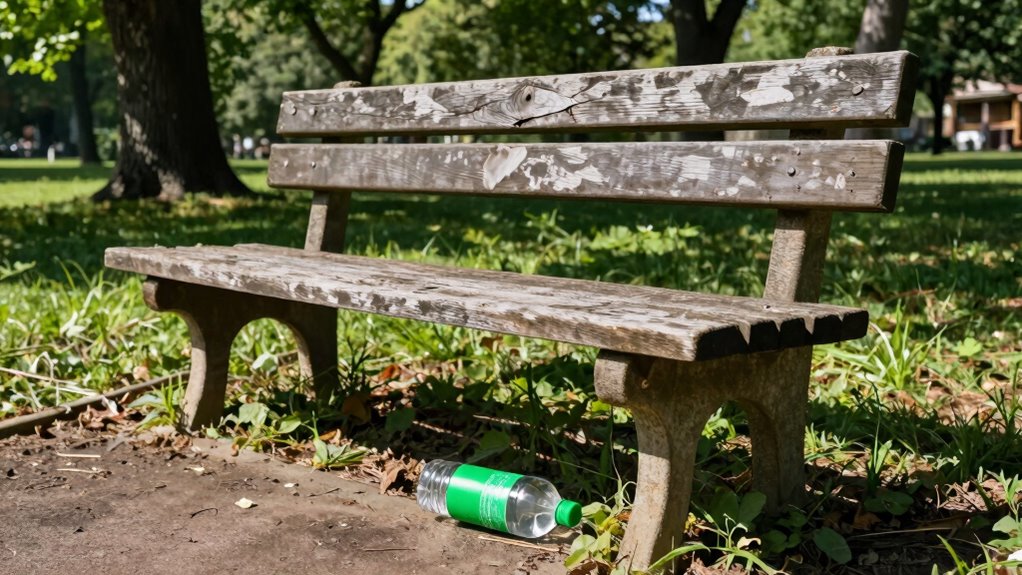
When companies promote their products as environmentally friendly, they often highlight durability as a key selling point. They want you to believe that their items will last longer, reducing the need for frequent replacements and ultimately minimizing waste. They focus on durability because it offers tangible benefits that you can see and feel, making it a compelling argument for choosing their products. Unlike trendy green claims that often rely on vague promises or unverified claims, durability offers a concrete advantage. It’s easier to assess whether a product truly lasts over time, which can lead to less waste and fewer purchases. This longevity also ties into recyclability benefits, as durable items are often designed with end-of-life considerations in mind. They can be more easily recycled or repurposed because their manufacturing processes tend to emphasize sustainable design principles. When a product is built to last, manufacturers often incorporate recyclable materials that can be processed efficiently at the end of its life, reducing the environmental impact. These manufacturing processes focus on creating components that are both durable and recyclable, making the entire lifecycle of the product more eco-friendly. This synergy between durability and recyclability benefits you by ensuring that your purchase doesn’t just last longer but also contributes less to landfill waste. Compared to green claims that may be based on minimal environmental improvements or marketing hype, durable materials are rooted in practical, proven benefits. They often come from manufacturing processes that prioritize quality and sustainability, meaning you’re investing in a product that aligns with eco-conscious principles. Additionally, durable materials tend to maintain their appearance and functionality over time, saving you money in the long run. While trendy green claims might fade or be scrutinized over time, the benefits of durability remain consistent. It’s about making smarter choices that support sustainability through long-lasting products, rather than fleeting marketing trends. In the end, choosing durable materials is a straightforward way to ensure your environmental impact is minimized, especially when those materials are manufactured with recyclability benefits in mind. They can also help reduce the environmental footprint of your purchases by promoting a more circular lifecycle. You get a product that not only serves you well for years but also fits into a broader effort to reduce waste and promote responsible consumption. So, when weighing your options, remember that durability backed by eco-friendly manufacturing processes often offers more genuine environmental benefits than superficial green claims. Emphasizing sustainable design principles can further enhance the overall eco-friendliness of durable products.
durable eco-friendly kitchen utensils
As an affiliate, we earn on qualifying purchases.
As an affiliate, we earn on qualifying purchases.
Frequently Asked Questions
How Do Durability and Environmental Impact Correlate?
Durability and environmental impact are closely linked through the life cycle of materials. When you choose materials with longer longevity, they often require fewer replacements, reducing waste and conserving resources. Durable materials typically have a more sustainable life cycle, meaning they produce less environmental harm over time. By prioritizing material longevity, you guarantee a lower overall impact, making your choices both eco-friendly and cost-effective in the long run.
Are Durable Materials More Cost-Effective Long-Term?
Yes, durable materials are more cost-effective long-term. You’ll benefit from significant cost savings because they require fewer replacements and repairs over time. Their longevity benefits mean your initial investment pays off as they stand up to wear and tear longer than trendy, less durable options. By choosing durable materials, you avoid frequent upgrades, saving money and reducing environmental impact, making them a smarter, more sustainable choice for your projects.
Can Trendy Green Claims Be Misleading?
Trendy green claims can indeed be misleading. Eco labeling myths often exaggerate environmental benefits, while greenwashing tactics make products seem more eco-friendly than they truly are. You should be cautious and do research, as companies may use these tactics to appeal to eco-conscious consumers. Relying on verified certifications and transparent information helps you avoid falling for false claims and makes smarter, greener choices.
What Standards Verify Durability Versus Eco-Friendliness?
Think of durability standards as sturdy bridges you cross, while eco-certifications are like colorful banners fluttering in the breeze. You verify durability through standards like ISO 9001, which guarantees long-lasting materials, whereas eco-friendliness is checked by certifications like FSC for biodegradable packaging and LEED for renewable energy use. These benchmarks help you distinguish truly resilient products from those just sporting trendy green claims.
How Do Consumer Perceptions Influence Material Choices?
Your perception of a brand’s reputation and aesthetic appeal considerably influences your material choices. You’re more likely to trust durable materials if they come from brands with strong loyalty and positive reviews, valuing longevity over fleeting trends. When materials align with your aesthetic preferences and reflect a trusted brand, you feel confident in your decisions, often prioritizing durability and quality over the latest green claims that might lack proven standards.
Conclusion
When choosing materials, remember that durability is like building a sturdy bridge—lasting through storms and time. Green claims may shimmer like a fleeting mirage, but true sustainability stands firm with enduring, quality materials. By prioritizing durability over trendy green promises, you’re investing in products that withstand the test of time and reduce waste. In the end, choosing long-lasting materials is like planting a mighty oak—steady, reliable, and built to endure the seasons.
Fall Picks
fall essentials
As an affiliate, we earn on qualifying purchases.