
Indoor food systems need better backup planning because disruptions like power outages, equipment failures, and environmental changes can quickly threaten your crops and waste your resources. Without a solid backup plan, you risk losing your harvest and compromising food security. Implementing backup power sources, monitoring systems, and emergency protocols helps keep your system resilient and productive. Investing in these strategies guarantees your urban farm remains steady—you’ll discover more ways to protect your system as you go along.
Open a free Amazon Business account
Business pricing, bulk buying and tax-exempt orders.
As an affiliate, we earn on qualifying purchases.
Key Takeaways
- Indoor food systems are vulnerable to power outages and equipment failures, risking crop loss without proper backup plans.
- Disruptions like environmental fluctuations can quickly jeopardize plant health, highlighting the need for proactive contingency strategies.
- Backup solutions such as generators and sensors ensure continuous operation and early detection of system issues.
- Detailed documentation and emergency protocols enable rapid response, minimizing downtime and resource wastage.
- Building resilience through backup planning secures food supply and enhances urban agriculture sustainability.
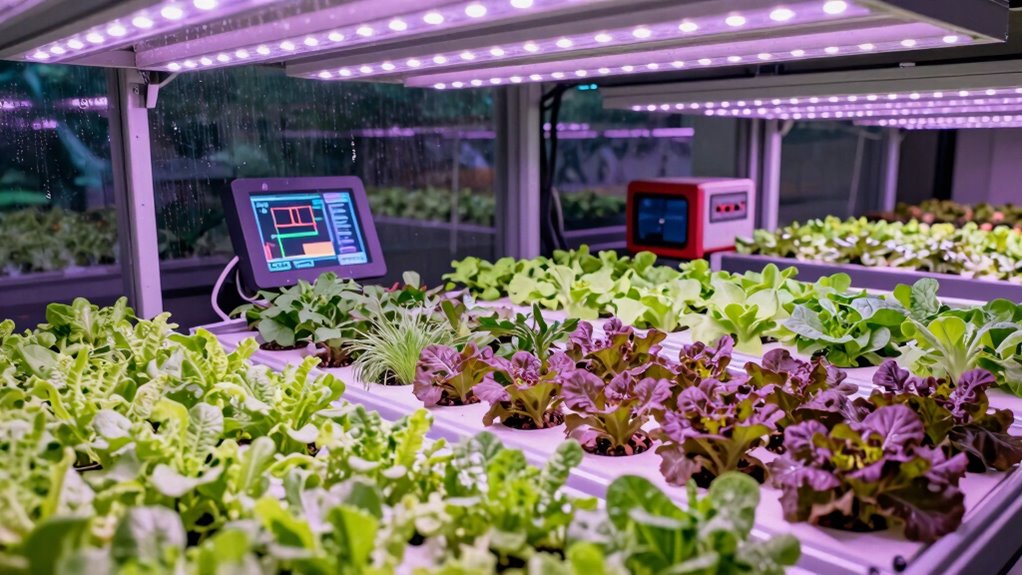
In today’s unpredictable world, having a reliable backup plan for your indoor food systems isn’t just smart—it’s fundamental. As urban agriculture continues to grow, more people are turning to indoor setups like hydroponics to guarantee a steady food supply. But what happens if a power outage, equipment failure, or environmental threat disrupts your system? Without a solid backup plan, you risk losing your entire crop, wasting time, money, and effort. That’s why strengthening your hydroponic security and planning for contingencies isn’t just a precaution; it’s a necessity.
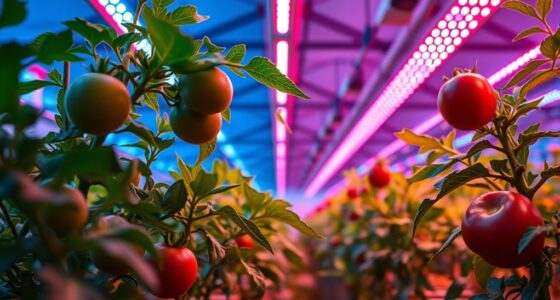
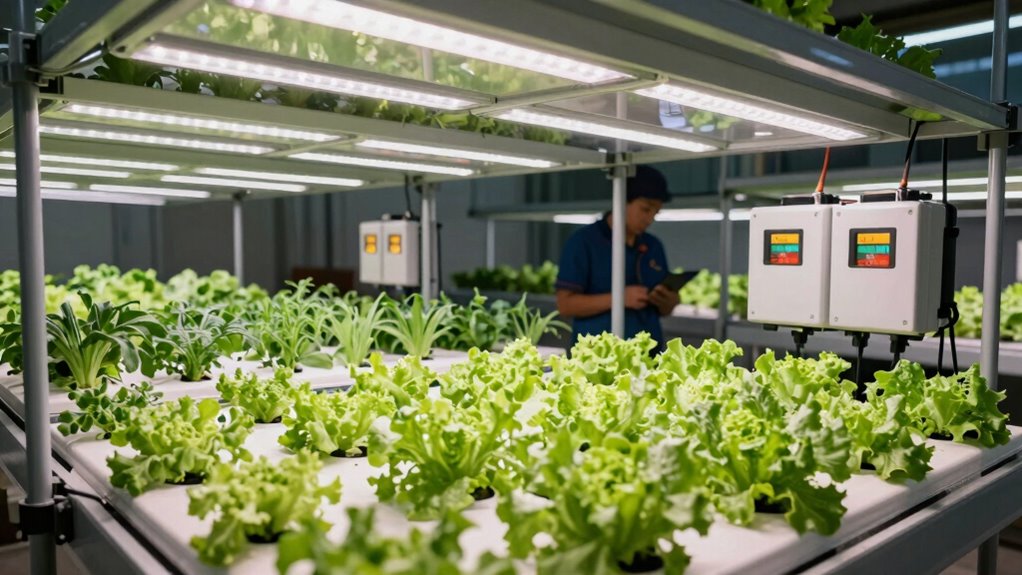
Indoor food systems are vulnerable to many threats, from technical failures to natural disasters. Power outages can halt pumps and lighting, causing plants to wither or die if not addressed promptly. Equipment breakdowns, like malfunctioning nutrient delivery systems, can lead to uneven growth or crop loss. Environmental factors, such as temperature spikes or humidity swings, threaten plant health and yield. These risks highlight the importance of proactive backup strategies, especially in urban agriculture, where space and resources are limited. You need to think beyond just the initial setup and prepare for disruptions that could jeopardize your food production.
Urban indoor farms face threats from technical failures and environmental risks; proactive backup plans are essential for resilience.
Hydroponic security plays a pivotal role in safeguarding your indoor garden. Implementing backup power sources, such as generators or battery systems, ensures your system keeps running during outages. Regular maintenance and monitoring help catch potential failures before they cause damage. Additionally, diversifying your plant varieties and growing methods can provide a buffer if one system fails. It’s also wise to have manual overrides or emergency protocols in place so you can quickly respond when issues arise. These measures don’t just protect your crops—they give you peace of mind, knowing you’re prepared for the unexpected. Incorporating system resilience into your planning can further enhance your ability to recover quickly from setbacks.
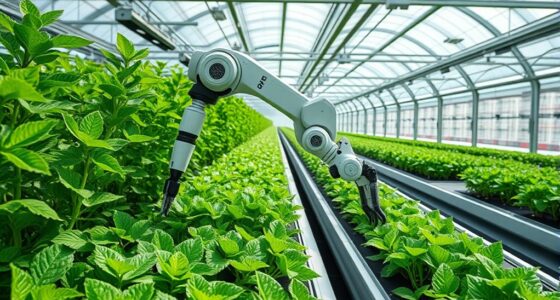
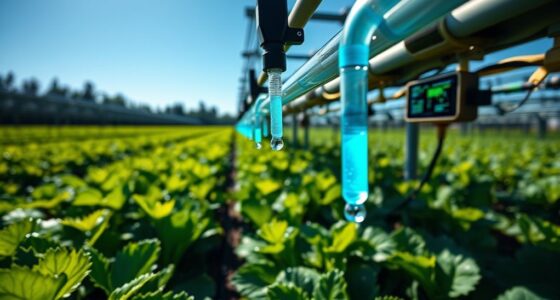
Furthermore, backup planning involves data management and system documentation. Keeping detailed records of your setup, including troubleshooting steps and maintenance schedules, helps you react swiftly to problems. Investing in smart technology, like sensors and automation, can also alert you to irregularities before they become critical. A comprehensive understanding of urban agriculture can help you optimize your indoor farm’s layout and resource use, making it more adaptable to unforeseen issues. Developing a comprehensive contingency plan that addresses potential environmental threats and technical failures is essential for maintaining a steady food supply. Incorporating biodiversity into your indoor systems can create a more resilient and adaptable environment, better equipped to handle disruptions. By integrating these strategies, you create a resilient indoor food system that can withstand disruptions, ensuring consistent harvests and food security. In urban environments, where space is constrained and resources are precious, this level of preparedness isn’t optional—it’s indispensable. Your success depends on anticipating challenges and having the right safeguards in place, making backup planning an integral part of your indoor farming journey.
indoor hydroponic backup power generator
As an affiliate, we earn on qualifying purchases.
As an affiliate, we earn on qualifying purchases.
Frequently Asked Questions
How Often Should Backup Plans Be Reviewed and Updated?
You should review and update your backup plans at least annually, but more often if there are significant changes. Regularly conducting emergency drills and staff training helps identify gaps and improve response strategies. Keep communication channels open, and document lessons learned after each review. This proactive approach guarantees your indoor food system remains resilient, ready to adapt to unforeseen challenges, and maintains food safety and operational continuity.
What Are the Most Common Causes of Indoor Food System Failures?
The most common causes of indoor food system failures include pest control issues and poor nutrient management. Pests can quickly damage crops and spread disease, while inadequate nutrient management stunts plant growth and reduces yields. You might also face failures from equipment breakdowns or environmental control failures. To prevent these, regularly monitor pest levels, optimize nutrient delivery, and maintain equipment. proactive management helps guarantee your indoor food system stays productive and resilient.
How Can Technology Improve Backup Strategies for Indoor Farms?
Technology enhances your backup strategies by integrating sensor redundancy and data encryption. Sensor redundancy guarantees continuous monitoring even if one sensor fails, maintaining ideal conditions. Data encryption protects your critical data from cyber threats, ensuring it remains secure during backups and recovery. By implementing these tech solutions, you can respond quickly to system failures, minimize downtime, and keep your indoor farm resilient and productive.
What Are Cost-Effective Backup Options for Small-Scale Indoor Food Systems?
Imagine losing your entire crop overnight—sounds terrifying, right? To prevent this, consider cost-effective backup options like diversified crop planting, which reduces risk, and smart water management systems that conserve resources during failures. These strategies not only protect your indoor food system but also boost resilience. By integrating crop diversity and efficient water use, you create a safety net that keeps your harvest secure, even in emergencies.
How Do Backup Plans Differ Between Urban and Rural Indoor Farms?
In urban farms, backup plans focus on climate resilience by ensuring reliable power for climate control systems and incorporating pest management strategies, like integrated pest management (IPM). Rural farms, however, prioritize backup water supplies and sustainable pest control methods suited to their environment. Both need adaptable plans to handle weather fluctuations and pest outbreaks, but urban setups emphasize continuous climate regulation, while rural farms focus more on resource independence.
Conclusion
You can’t afford to overlook backup planning for your indoor food system. You need to prepare for power outages, equipment failures, and supply chain disruptions. You need to safeguard your crops, your investment, and your peace of mind. You need to plan proactively, implement reliably, and respond swiftly. Because in indoor food systems, resilience isn’t optional—it’s essential. So take action now, anticipate challenges, and guarantee your food production keeps thriving, no matter what comes your way.
Flea & tick season Picks
flea and tick prevention
As an affiliate, we earn on qualifying purchases.