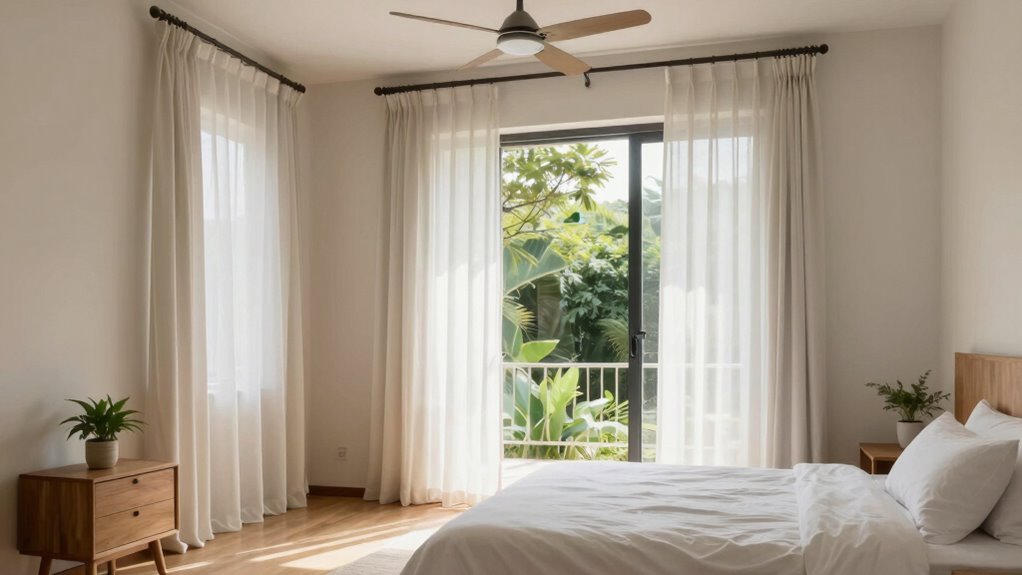

Your bedroom layout influences energy use and air quality by optimizing airflow, insulation, and window placement. Proper arrangements promote natural ventilation, reducing reliance on air conditioning, while good insulation keeps temperatures steady, saving energy. Windows placed strategically allow fresh air in and improve airflow, preventing moisture buildup and mold. These thoughtful design choices quietly boost comfort and sustainability. Keep exploring to discover how specific strategies can further enhance your space’s efficiency and health.

Get garden gear delivered free — and shop member deals
- Fast, free delivery on millions of items
- Access to Prime Big Deal Days deals on October 6–7
- Prime Video, Amazon Music and more included
Key Takeaways
- Bedroom layout impacts heating, cooling needs, and natural airflow, influencing overall energy consumption.
- Proper window placement and operable windows facilitate natural ventilation, improving air quality and reducing energy use.
- Insulation techniques maintain indoor temperature, decreasing reliance on HVAC systems and enhancing energy efficiency.
- Strategic orientation and window design optimize sunlight, airflow, and indoor comfort with minimal energy expenditure.
- Combining natural ventilation and insulation reduces indoor pollutants and energy consumption, supporting healthier, sustainable environments.
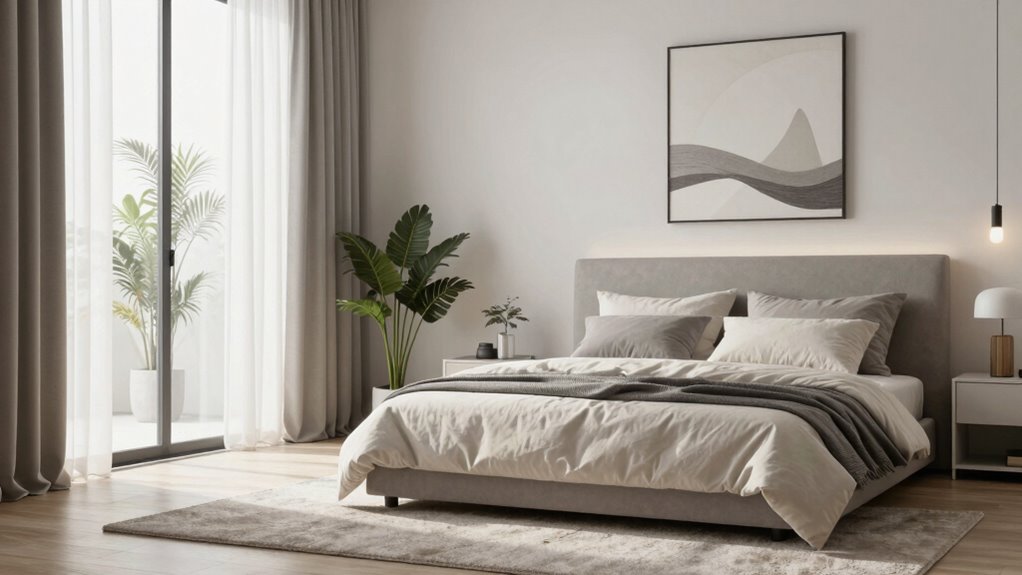
Your bedroom design can profoundly impact your energy consumption, influencing both heating and cooling needs. The way you arrange your space and the choices you make in materials can either help you save energy or cause unnecessary waste. One effective way to optimize your bedroom’s energy efficiency is through natural ventilation. By designing windows and vents that promote good airflow, you can reduce reliance on air conditioning and fans. For example, positioning windows on opposite sides of the room allows for cross-ventilation, which cools the space naturally during warmer months. You might also consider installing operable windows that let fresh air in when the weather permits, helping to refresh the air quality without using electricity. Proper natural ventilation not only cuts down on energy bills but also improves indoor air quality, giving you a healthier, more comfortable sleeping environment. Additionally, incorporating air quality considerations into your design can further enhance the overall healthiness of your space. Planning for proper ventilation design from the outset can make a significant difference in long-term energy use and air quality. Ensuring your room has adequate airflow can help prevent moisture buildup and mold growth, further supporting a healthier environment.
Alongside ventilation, insulation techniques play a vital role in maintaining a consistent temperature inside your bedroom. Well-insulated walls, ceilings, and floors act as a barrier against external temperature fluctuations. This means that during winter, your room stays warmer for longer, reducing the need for constant heating. Conversely, in summer, insulation helps keep the heat out, minimizing cooling requirements. Using high-quality insulation materials, like foam boards or mineral wool, can substantially cut energy consumption and create a more stable environment. Additionally, sealing gaps around windows and doors prevents drafts that can undermine your insulation efforts. Incorporating thermal efficiency into your design is essential for creating a comfortable and energy-conscious space, especially when considering climate variations. When your bedroom is properly insulated, you’re less dependent on HVAC systems, which not only saves energy but also extends their lifespan. Recognizing the importance of building performance can guide you in choosing the right materials and design strategies to optimize energy efficiency.
Incorporating these design elements—natural ventilation and effective insulation techniques—requires thoughtful planning from the start. You’ll want to weigh the orientation of your bedroom to maximize airflow and sunlight, which naturally warms or cools the space without extra energy. Choosing energy-efficient windows with good insulation properties further enhances these efforts. When you combine natural ventilation with proper insulation, you create a bedroom that is both energy-efficient and comfortable year-round. This approach also improves air quality by reducing indoor pollutant buildup and freshening the space naturally. By taking these design steps, you’re quietly shaping your energy use and air quality, making your bedroom a more sustainable and healthier retreat.
natural ventilation window vents
As an affiliate, we earn on qualifying purchases.
As an affiliate, we earn on qualifying purchases.
Frequently Asked Questions
How Does Furniture Placement Affect Air Circulation in a Bedroom?
Furniture arrangement directly impacts airflow patterns in your bedroom. When you position large pieces like beds or dressers against walls or blocking vents, it restricts air circulation. To improve airflow, keep pathways clear and avoid clutter near vents or windows. Proper furniture placement promotes better air exchange, helping to maintain fresh air quality and more consistent temperature, ultimately creating a healthier, more comfortable sleeping environment.
What Materials Help Reduce Indoor Air Pollutants?
Did you know that using air purifying materials can reduce indoor pollutants by up to 50%? You should choose low emission finishes like VOC-free paints and natural wood, which release fewer harmful chemicals. Incorporating air purifying materials such as activated charcoal or HEPA-filtered plants helps improve air quality. These choices create a healthier space, ensuring you breathe cleaner air and enjoy a more comfortable, eco-friendly bedroom environment.
Can Color Choices Influence Energy Efficiency in the Bedroom?
Yes, your color choices can influence energy efficiency in your bedroom. Light colors like whites and pastels reflect more sunlight, reducing the need for artificial lighting, while darker shades can absorb heat, helping warm the space naturally. Consider color psychology to select calming hues that promote restful sleep. Also, opt for paint with high durability, which maintains its reflective qualities longer, ensuring ongoing energy savings and better air quality.
How Do Window Treatments Impact Natural Ventilation?
Think of window treatments as the gatekeepers of your room’s airflow. Your choice of window treatment materials and their placement directly influence natural ventilation. Light, airy fabrics and well-placed treatments allow fresh air to flow freely, reducing reliance on air conditioning. Conversely, heavy curtains or improper placement can block breezes, trapping stale air. By optimizing these elements, you enhance airflow, improve air quality, and create a more energy-efficient, comfortable space.
What Lighting Options Improve Air Quality and Energy Savings?
You can improve air quality and energy savings by choosing smart lighting options, which allow you to control brightness and schedules easily. LED lights are highly efficient, consuming less energy and emitting less heat, helping maintain a cooler room. Smart LED fixtures adjust to your needs, reducing unnecessary energy use while enhancing ambiance. This combination supports a healthier environment and lowers your energy bills without sacrificing comfort or style.
Conclusion
By paying attention to your bedroom’s design, you can substantially influence your energy consumption and air quality. Simple tweaks, like choosing breathable fabrics and strategic lighting, make a difference. Did you know that optimizing bedroom ventilation can reduce indoor air pollution by up to 30%? Small changes can lead to healthier air and lower energy bills, proving that your bedroom isn’t just a personal space—it’s an essential part of your home’s environmental footprint.
Fall yard work Picks
leaf blowers
As an affiliate, we earn on qualifying purchases.