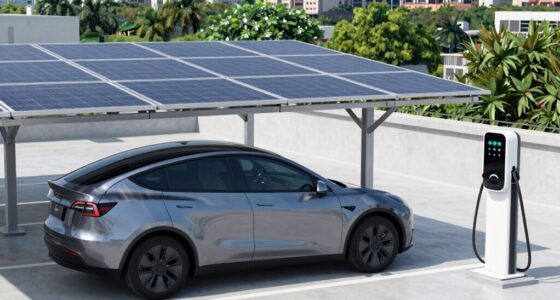
Renewables play a surprisingly important role in climate justice by expanding access to clean energy for marginalized communities often left behind. When you support solar, wind, and microgrids, you help reduce disparities, empower underserved groups, and promote fairer growth. Policies focused on equitable resource distribution guarantee everyone benefits from the transition. If you look closer, you’ll see how renewable energy can reshape fairness and build a more just future for all.
Play games included with Prime
Start a Prime free trial and play with Amazon Luna on your devices.
As an affiliate, we earn on qualifying purchases.
Key Takeaways
- Renewables enable marginalized communities to access affordable, reliable energy, reducing inequalities and promoting social equity.
- Policy reforms incentivize renewable projects in underserved areas, ensuring a fair distribution of clean energy benefits.
- Transitioning to renewables supports climate justice by addressing environmental pollution disproportionately affecting vulnerable populations.
- Inclusive energy policies empower local voices, fostering community-led renewable initiatives that prioritize social fairness.
- Renewable energy development helps build resilient, equitable systems that bridge urban-rural energy gaps and promote sustainable development.
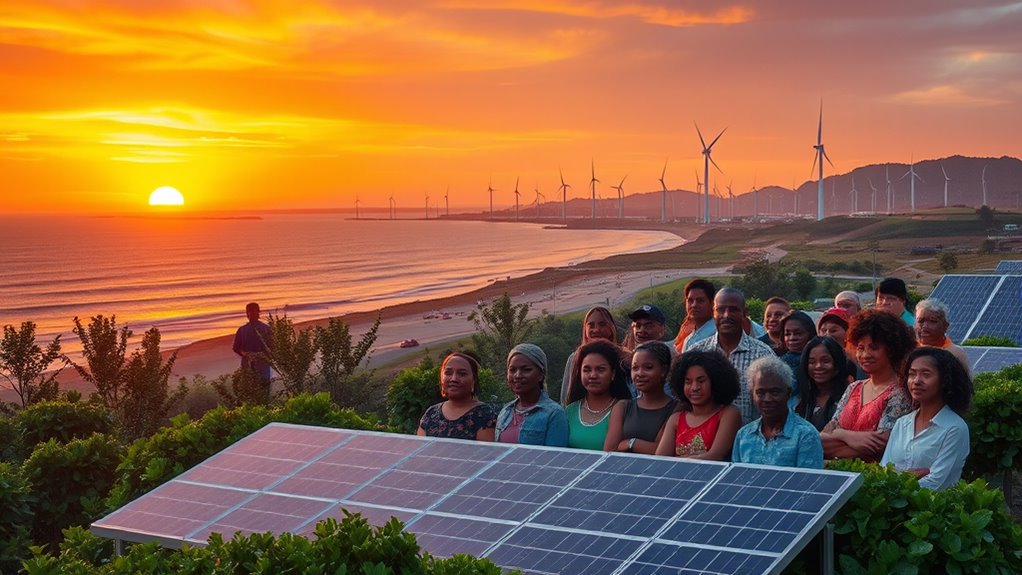
Have you ever wondered how the shift to renewable energy can promote fairness in fighting climate change? It’s a powerful question because moving to renewables isn’t just about reducing emissions; it’s also an opportunity to address longstanding inequalities. One of the most critical aspects of this shift is improving energy access. Many communities around the world, especially in developing regions, still lack reliable, affordable electricity. These communities often bear the brunt of environmental pollution and climate impacts despite contributing the least to global emissions. By prioritizing renewable energy solutions like solar, wind, and microgrids, you can help bridge this gap, giving marginalized populations the power they need to thrive. Expanding energy access through renewables promotes social equity and supports economic development, empowering people who have historically been left behind in the energy transition.
Expanding renewable energy access promotes fairness, social equity, and economic growth for underserved communities worldwide.
However, achieving this requires more than just deploying renewable technologies—it demands substantial policy reform. Governments and policymakers play a pivotal role in shaping a fair transition by creating incentives and removing barriers to renewable adoption. Policy reform can include streamlining regulations, offering subsidies or grants for renewable projects, and implementing frameworks that prioritize underserved communities. When policies focus on equitable distribution of renewable resources, they ensure that benefits aren’t confined to wealthy or urban areas but reach rural and marginalized populations as well. This approach helps prevent the creation of new inequalities and guarantees everyone has a fair shot at participating in and benefiting from the clean energy revolution.
Policy reform also encourages investments that are socially responsible. By establishing clear standards, governments can promote community-led renewable projects, ensuring local voices are heard and that projects align with community needs. Moreover, integrating social equity into climate policies fosters trust and cooperation among diverse stakeholders, making the transition more inclusive and sustainable. When energy access becomes a central goal of policy reform, it shifts the focus from just reducing emissions to creating a just and balanced energy system. This approach recognizes that climate justice isn’t only about environmental outcomes but also about correcting social disparities. Additionally, vetted information about the importance of equitable policies can guide effective decision-making.
In the end, the transition to renewables offers a unique chance to rethink energy systems through the lens of fairness. With targeted policy reforms and a focus on expanding energy access, you help create a future where clean energy benefits everyone, not just a privileged few. This isn’t just about saving the planet—it’s about building a more equitable world where everyone has a fair chance to participate in and benefit from the clean energy future.
solar microgrid for underserved communities
As an affiliate, we earn on qualifying purchases.
As an affiliate, we earn on qualifying purchases.
Frequently Asked Questions
How Do Renewables Impact Local Economies in Underserved Communities?
Renewables can considerably impact your local economy by fostering community empowerment and encouraging economic diversification. When communities adopt renewable energy projects, you create new jobs, support local businesses, and reduce energy costs. This shifts economic reliance away from traditional industries, making your community more resilient. By investing in renewables, you help build a sustainable future where underserved areas gain control over their energy sources and economic growth.
Are Renewable Energy Projects Always Environmentally Just?
You might think renewable energy projects are always environmentally just, but that’s not always true. Environmental ethics and technological advancements play key roles in ensuring projects are fair and sustainable. Sometimes, new tech can improve impacts, but other times, projects might harm local ecosystems or communities. It’s essential to evaluate each project carefully, considering both ethical concerns and how new technology can help create more just and eco-friendly solutions.
What Policies Support Equitable Renewable Energy Access Worldwide?
You can support equitable renewable energy access worldwide through policies that promote transparency and inclusion. Corporate subsidies should be targeted to benefit marginalized communities, reducing inequality. International aid plays an essential role by funding infrastructure and capacity-building in underserved areas. When combined, these policies guarantee renewable energy projects are accessible, affordable, and just, helping bridge the gap between different regions and communities in the transition to sustainable energy.
How Do Renewable Jobs Benefit Marginalized Populations?
Imagine a vibrant community where solar panels sparkle in the sun, and new jobs bloom like wildflowers. You see marginalized populations gaining access to renewable jobs, which empower communities and foster workforce diversity. These opportunities aren’t just about employment; they create a ripple effect of community empowerment, giving marginalized groups a voice and stake in the clean energy future. You help build equitable, resilient communities through renewable job growth.
Can Renewables Address Energy Poverty Effectively?
You might wonder if renewables can effectively address energy poverty. They can improve energy affordability by reducing costs and increasing access, especially in underserved areas. Plus, with proper investments, renewables can enhance grid reliability, ensuring consistent power supply. By expanding renewable infrastructure, you help bridge the energy gap for marginalized populations, making clean, affordable energy more accessible and sustainable in the long run.
Conclusion
So, here you are, thinking renewables are the ultimate hero in the fight for climate justice. Ironically, their true power might be in how they shift the burden—sometimes onto those least equipped to bear it. Instead of solving everything, they expose the gaps and inequalities we’ve ignored. Maybe, just maybe, the real lesson is that even our “clean” solutions need a closer look to make sure they don’t leave anyone behind.
NFL season / tailgating Picks
team gear
As an affiliate, we earn on qualifying purchases.