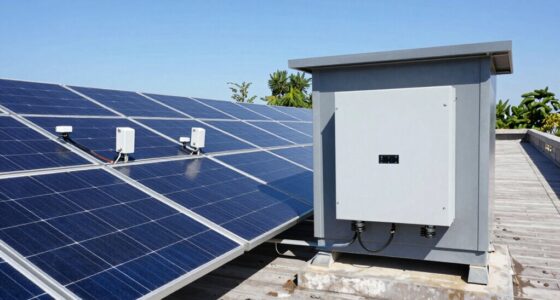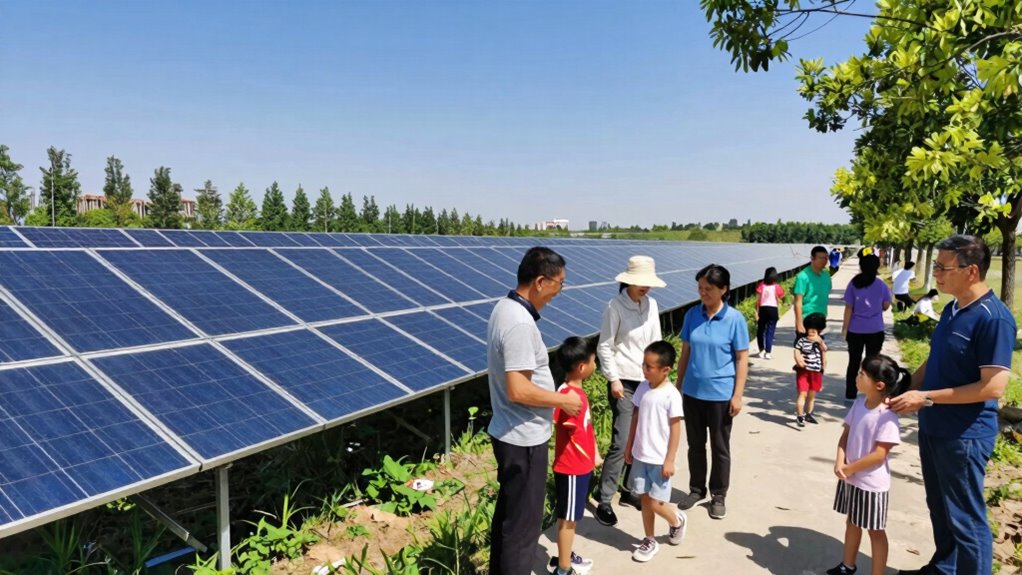

Community solar makes clean energy accessible to everyone, including renters, low-income households, and those with limited roof space. You can buy or lease a share in a larger solar project, eliminating upfront costs and technical barriers. Supportive policies like incentives and streamlined permits help expand these programs. This approach promotes energy equity and community participation, empowering you and others to join the clean energy shift. To discover how this movement is growing, keep exploring the possibilities.

Get garden gear delivered free — and shop member deals
- Fast, free delivery on millions of items
- Access to Prime Big Deal Days deals on October 6–7
- Prime Video, Amazon Music and more included
Key Takeaways
- Community solar removes the need for individual rooftop installations, making solar energy accessible to more people.
- Subscription or ownership options allow renters and low-income households to participate in clean energy.
- Supportive policies and incentives reduce financial barriers and streamline project development.
- Grid integration technologies ensure reliable energy flow, expanding the reach of solar power.
- Community involvement fosters local economic growth and promotes equitable access to renewable energy.
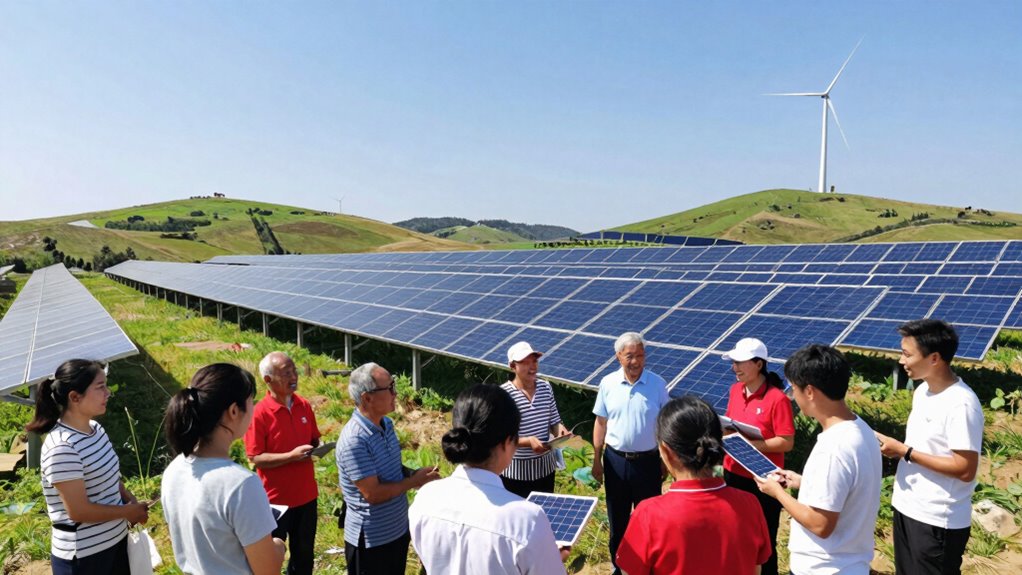
Have you ever wondered how communities can access clean energy without installing individual solar panels? The answer lies in community solar programs, which make renewable energy more accessible and affordable. These programs often capitalize on supportive solar policies that encourage the development of shared solar projects. Solar policy frameworks can include incentives, mandates, or regulations that streamline permitting processes, provide tax credits, and set renewable energy goals. Such policies help lower the barriers for community solar projects to get off the ground, making it easier for residents, businesses, and organizations to participate.
Community solar programs make renewable energy accessible and affordable through supportive policies and shared infrastructure.
When you join a community solar initiative, your shared solar array is connected to the grid through sophisticated grid integration techniques. Grid integration guarantees that the electricity generated by the solar farm seamlessly feeds into the existing power infrastructure, balancing supply and demand. This means your community’s solar energy is efficiently distributed, reducing reliance on fossil fuels and decreasing greenhouse gas emissions. Proper grid integration also helps prevent issues like voltage fluctuations or power outages, maintaining a stable and reliable energy supply for everyone involved. Grid integration is a crucial component that ensures the effective delivery of renewable energy at scale. Additionally, advancements in smart grid technology continue to enhance the capacity and resilience of energy systems supporting community solar. As policies evolve, they can further facilitate renewable energy adoption and improve overall system integration. The development of energy storage solutions can also complement these efforts by storing excess energy for later use, further stabilizing the grid.
One of the key advantages of community solar is that it removes the need for individual installations on rooftops, which can be costly, space-limited, or unsuitable for some properties. Instead, you can buy or lease a portion of a larger solar project, often through a subscription or ownership model. This approach broadens access to clean energy, especially for renters, low-income households, or those who don’t have suitable roof space. It also fosters energy equity by making renewable energy accessible to underserved communities. It democratizes renewable energy by allowing more people to participate in the transition toward sustainable power sources without the upfront expense or technical hurdles of installing their own panels.
Furthermore, community solar projects foster local economic growth by creating jobs and stimulating investment in renewable infrastructure. As these projects grow, they also encourage further development of supportive policies that enhance grid integration capabilities and expand access. The combination of strong solar policies and advanced grid integration techniques guarantees that community solar can scale up efficiently, providing clean energy to more households and businesses. This collective approach not only reduces environmental impacts but also empowers communities to take control of their energy future.
In short, community solar expands access to clean energy by leveraging supportive policies and integrating solar power into the grid effectively. It offers a practical, inclusive solution that helps more people benefit from renewable energy, ultimately fostering a cleaner, more sustainable future for everyone.
As an affiliate, we earn on qualifying purchases.
Frequently Asked Questions
How Are Community Solar Projects Financed?
Community solar projects are financed through various models, including third-party investments, subscriptions, and grants. You might see investor participation play a key role, where investors fund the project upfront in exchange for returns. Subscribers, often local residents or businesses, pay for their share of the solar energy. This mix of financing models helps make community solar projects accessible, affordable, and sustainable for everyone involved.
Can Renters Participate in Community Solar Programs?
Yes, renters can participate in community solar programs. Many programs are designed with renters’ rights in mind, allowing them to benefit without needing to own property or install panels. However, participation barriers like lease restrictions or lack of awareness can exist. You should check if your lease permits participation and contact program providers to understand your options. Community solar offers a great way for renters to access clean energy and reduce bills.
What Are the Environmental Impacts of Community Solar?
Community solar offers significant environmental benefits by reducing reliance on fossil fuels and lowering greenhouse gas emissions. You help preserve ecosystems by supporting cleaner energy sources that minimize habitat disruption and pollution. Participating in community solar can also promote sustainable practices, contributing to a healthier planet. Your involvement makes a difference, helping to expand renewable energy use and protect natural environments for future generations.
How Do Community Solar Savings Compare to Individual Solar?
Think of community solar savings as a shared garden, where everyone benefits without planting individual seeds. You save more on energy bills compared to installing your own solar panels because the solar panel costs are divided among participants. This collective approach often results in greater energy bill savings, making clean energy more affordable. So, instead of going solo, you join a community, pooling resources for bigger, shared benefits.
What Challenges Do Community Solar Projects Face?
You face challenges like policy barriers that can slow project approval and limit incentives, making funding difficult. Technological limitations, such as outdated infrastructure or grid integration issues, also pose hurdles. These obstacles can delay or increase costs for community solar projects. To overcome them, you need supportive policies and advancements in technology, ensuring smoother development and broader access to clean energy for everyone involved.
Conclusion
By participating in community solar, you’re helping expand access to clean energy for more people. Did you know that nearly 90% of Americans live in areas with enough sunlight to benefit from solar power? This means more communities can enjoy affordable, renewable energy without installing panels on their own roofs. So, by supporting community solar projects, you’re not only reducing your carbon footprint but also making clean energy accessible to everyone—empowering a greener future for all.
Halloween Picks
halloween
As an affiliate, we earn on qualifying purchases.