TL;DR
Ideal Home Open House contributor Amanda Jones says she has reduced holiday waste by sending fewer Christmas cards, reusing wrapping materials and keeping decorations for repeated use. She also describes repurposing branches from her locally bought Christmas tree after the season. These are personal practices, not a measured assessment of their environmental impact.
Amanda Jones, an Ideal Home Open House contributor, has outlined three Christmas habits she says she changed to produce less household waste: sending fewer cards, reusing gift packaging and decorations, and finding uses for her real tree after the holidays. Her account offers practical ideas for readers planning seasonal spending and decorating, though it does not quantify how much waste the changes save.

Get garden gear delivered free with Prime
- Fast, free delivery on millions of items
- Prime Video, Amazon Music and more included
- Member-only deals all year
Jones says she used to send large numbers of Christmas cards, but now sends fewer and chooses them more selectively. She says she looks for cards made by charities, independent artists and small businesses, and reuses cards she receives as gift tags or keeps particularly meaningful ones for another year. She also repurposes old envelopes as shopping-list paper.
For gifts, Jones says she wraps fewer physical presents as part of what she calls intentional gift giving. When wrapping is needed, she favors recyclable paper and materials such as ribbon, dried orange slices and rosemary. Her family reuses gift bags, including fabric bottle bags made by her sister, and she saves ribbons, boxes and, when practical, gift wrap for later use.
Jones says her family brings out the same decorations each year rather than buying items to match changing trends. When they do add something, she says she looks for products from small businesses or artisans and avoids mass-produced items and excess plastic. The family buys a local FSC-approved real tree, according to Jones, and puts its branches and needles to use after Christmas: some become mulch around blueberry plants, while larger branches are used in insect log piles or dried for a log burner.
A less wasteful Christmas
Amanda Jones shares household habits for using fewer new items and keeping useful materials in circulation. She describes personal experience, not measured environmental results.
Send fewer cards
Choose cards selectively and find another use for the ones already received.
Jones looks for cards from charities, independent artists and small businesses.
Turn cards into gift tags, save meaningful ones, and use old envelopes for shopping lists.
Keep gift materials in use
Wrap fewer physical gifts and set aside useful packaging for another occasion.
Choose reusable details
Jones favors recyclable paper, ribbon and natural touches such as dried orange slices and rosemary.
Save bags and boxes
Her family reuses gift bags and keeps ribbons, boxes and practical gift wrap for later.
Decorate with what you own
Familiar decorations help the family avoid duplicates and trend-driven replacements.
- Bring out the same decorations each year.
- Check existing supplies before buying more.
- Look to small businesses or artisans.
- Avoid mass-produced items and excess plastic.
Plan for the tree after Christmas
Jones’s family buys a local FSC-approved real tree and finds uses for some of its branches and needles.
| Tree material | Use described |
|---|---|
| Branches and needles | Mulch around blueberry plants |
| Larger branches | Insect log piles or dried for a log burner |
Where Holiday Waste Can Be Reduced
The advice focuses on repeated household choices rather than a single purchase: buying fewer cards and decorations, keeping useful packaging in circulation, and planning what will happen to a tree after the festivities. For readers, that can make waste reduction part of holiday budgeting and preparation, rather than an afterthought once unwanted items have accumulated.
Jones presents these habits as personal experience, not as a tested program or an estimate of environmental benefit. The article gives no figures for the amount of material her household avoids discarding, and it does not compare the environmental impacts of different tree or wrapping options. Its practical takeaway is narrower: reuse what remains useful, choose new items deliberately, and check how materials can be handled locally.
Popular right now

Dyson V8 Cyclone Cordless Vacuum
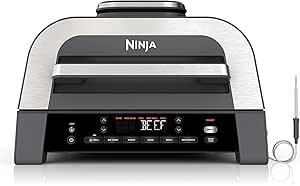
Ninja Foodi Smart XL 6-in-1 Indoor Grill and Air Fryer, Black/Silver (DG551)

Ninja Crispi Microwave and Air Fryer with FusionCrisp, Silver, MW101
As an affiliate, we earn on qualifying purchases.
A Decade of Seasonal Changes
Jones writes that she has adopted these practices over roughly the past decade, while keeping Christmas decorating and gift giving as parts of a family tradition. She describes a home decorated with familiar ornaments rather than a coordinated theme, saying that knowing what the family already owns helps her avoid buying duplicates.
Her account also distinguishes between reducing purchases and reusing items already in circulation. She says her family’s gift bags have been reused for years and that tree branches serve different purposes after the holiday. The piece is a contributor’s first-person advice article; it does not report a new policy, study, or industry-wide change.
“These are practices I have adopted over the last decade or so, and they work so well.”
— Amanda Jones, Ideal Home Open House contributor
The Savings Are Not Quantified
The article does not state how much waste Jones’s household avoids, how many cards or gifts she sends, or how long the various packaging items remain in use. It also offers no independent assessment of the environmental effects of the choices described. The claimed benefits are therefore personal and unmeasured.
Details about local recycling and composting rules are not provided. Whether wrapping paper, decorations or tree material can be reused, recycled or composted may depend on what they are made from and on local collection guidance. Jones’s account does not specify how every material is handled.
Planning for the Next Christmas
Jones’s advice points readers toward decisions they can make before the holiday period: check existing supplies, decide how many cards are wanted, and set aside reusable bags, ribbons and boxes. For households choosing a real tree, her example is to plan its disposal or reuse before buying it and follow local guidance for any materials that cannot be kept or repurposed.
No follow-up study, wider rollout or further announcement is described. The next step in the account is simply continued use of these household habits; any estimate of their broader effect would require information the article does not provide.
Source: rss
Key Questions
What three Christmas habits does Amanda Jones recommend?
Jones describes sending fewer cards, reusing gift wrap and bags, and keeping decorations for use year after year. She also explains how her family reuses parts of its Christmas tree.
How does Jones reuse Christmas cards and envelopes?
She says cards can become gift tags, while old envelopes can be cut or kept for shopping lists. She also saves particularly special cards to look at again the next year.
What does her family do with its Christmas tree after the holidays?
Jones says the family uses some branches and needles as mulch around blueberry plants. Larger branches are used for insect log piles or dried for a log burner, according to her account.
Does the article measure how much waste these habits prevent?
No. The article shares Jones’s personal experience but provides no figures or independent measurement of the waste avoided or the environmental effects.
Source: idealhome.co.uk