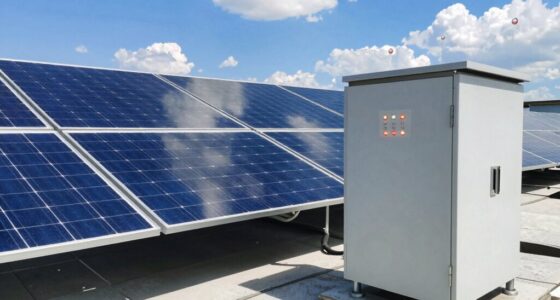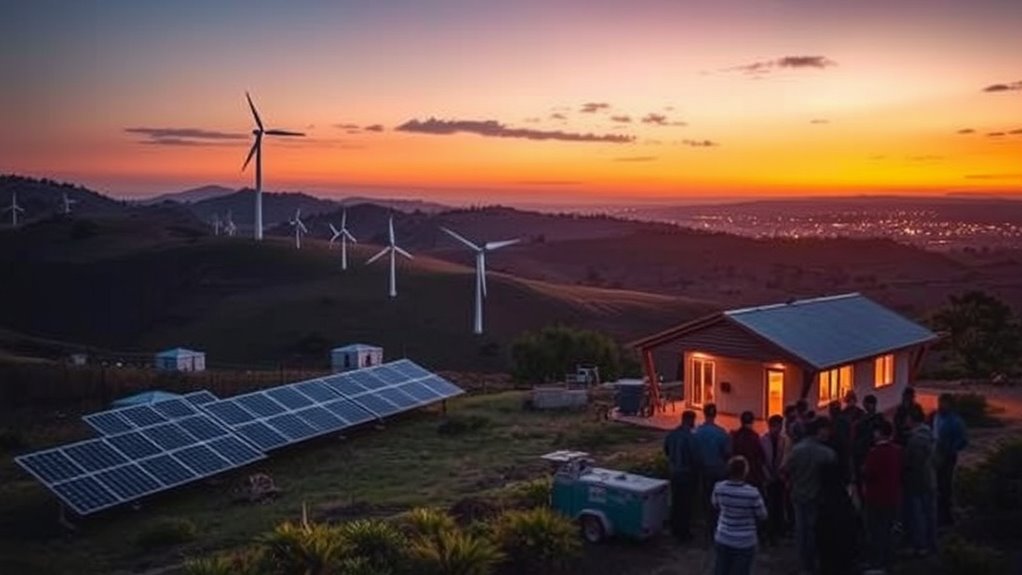

Microgrids can keep your community powered during main grid failures by operating independently and providing reliable energy when outages occur. They seamlessly integrate renewable sources like solar and wind, reducing reliance on fossil fuels while ensuring continuous power for essential services. Their islanding capability allows them to disconnect and operate locally, safeguarding critical facilities. To learn how these systems create resilient communities and what options might suit your area, keep exploring this innovative energy solution.

Get garden gear delivered free — and shop member deals
- Fast, free delivery on millions of items
- Access to Prime Big Deal Days deals on October 6–7
- Prime Video, Amazon Music and more included
Key Takeaways
- Microgrids can operate independently (islanding) to maintain power during main grid outages.
- They integrate renewable energy sources, ensuring clean, local power supply when the grid fails.
- Microgrids prioritize critical facilities like hospitals to keep essential services operational.
- They enhance community resilience by quickly restoring power in remote or vulnerable areas.
- Energy storage solutions within microgrids help balance supply and demand during outages.
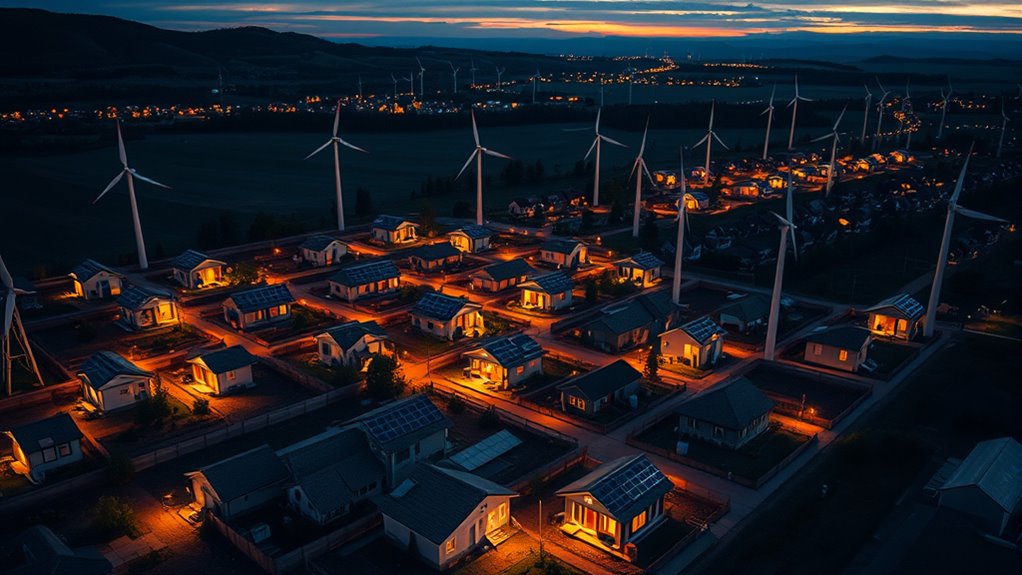
Microgrids are localized energy systems that can operate independently or in conjunction with the main power grid. They’re designed to provide reliable, resilient power to communities, especially during outages or emergencies. One of the key advantages of microgrids is their ability to seamlessly incorporate renewable energy sources, such as solar panels or wind turbines. This renewable integration allows you to reduce reliance on fossil fuels, lower carbon emissions, and promote sustainability within your community. By integrating renewables effectively, microgrids can generate clean energy locally, making your community more energy-independent and environmentally friendly.
Microgrids help communities generate clean, local energy while enhancing resilience and sustainability.
Another essential feature of microgrids is their islanding capability. When the main grid experiences a disturbance or fails, your microgrid can disconnect automatically and continue supplying power to essential facilities or homes. This islanding capability ensures that critical services like hospitals, emergency response centers, and water treatment plants keep running without interruption. It’s a fundamental aspect of microgrid design, providing you with peace of mind knowing that your community’s essential functions remain operational even during grid failures. Furthermore, islanding is often achieved through advanced control systems that monitor grid stability and switch to independent operation instantly when needed. Control systems play a crucial role in maintaining the stability and safety of microgrids during islanding.
The ability to operate autonomously makes microgrids particularly attractive for remote or vulnerable areas where grid reliability is questionable. If your community is located in a rural region or an island, microgrids can be the backbone of your energy infrastructure. They allow you to harness local renewable resources efficiently while maintaining a stable power supply. This flexibility is especially valuable in disaster-prone zones, where traditional grid infrastructure can be damaged or taken offline. With a microgrid, you can quickly restore power or keep vital services running, minimizing disruptions and ensuring safety.
Furthermore, the integration of renewables within microgrids isn’t just about environmental benefits; it also offers economic advantages. By generating your own renewable energy, you can reduce electricity costs and hedge against fluctuating fuel prices. Microgrids often include energy storage solutions like batteries, which store excess renewable energy for use during periods of low generation or high demand. This combination of renewable integration, islanding capability, and storage makes microgrids a versatile and resilient solution for powering communities. They give you more control over your energy future, guaranteeing continuous power supply and sustainable growth regardless of what’s happening on the main grid.
As an affiliate, we earn on qualifying purchases.
Frequently Asked Questions
How Do Microgrids Integrate With Existing Utility Infrastructure?
You can integrate microgrids with existing utility infrastructure by connecting them through smart controls and synchronization systems. This allows distributed energy sources to work seamlessly with the main grid, enhancing grid resilience. Microgrids can operate independently or in tandem with the utility, providing backup power during outages. By doing so, you strengthen the overall system, promote reliable energy flow, and optimize the use of local renewable resources.
What Are the Cost Benefits of Implementing a Microgrid?
Imagine opening significant cost savings with a smart investment. While installation costs can seem high upfront, microgrids often reduce energy bills over time through improved efficiency and local energy generation. You benefit from lower utility charges, fewer outages, and resilience during disruptions. Over the long term, these savings outweigh initial expenses, making microgrids a financially smart choice. Don’t overlook how these benefits can transform your energy management and reduce costs dramatically.
How Reliable Are Microgrids During Extreme Weather Events?
During extreme weather events, microgrids prove to be quite reliable because they use renewable sources like solar or wind, which can operate independently from the main grid. This helps improve system resilience, ensuring your community stays powered even when the main grid fails. Since microgrids are designed for local control and backup, they offer a dependable energy solution, reducing outages and maintaining essential services during severe weather.
Can Microgrids Operate Independently From the Main Grid Permanently?
Did you know that about 60% of microgrid projects aim to operate independently? Yes, microgrids can run autonomously from the main grid permanently, especially when equipped with battery storage and renewable sources like solar or wind. This setup allows your community to maintain power during outages, reduce reliance on external grids, and support sustainability goals. So, with proper infrastructure, microgrids can indeed function independently long-term.
What Are the Environmental Impacts of Deploying Microgrids?
You might wonder about the environmental impacts of deploying microgrids. When you choose renewable energy sources like solar or wind, microgrids help reduce your carbon footprint and lower greenhouse gas emissions. They enable cleaner power generation locally, decreasing reliance on fossil fuels. By supporting renewable energy integration, microgrids promote sustainable development and help protect the environment, making them a smart choice for eco-conscious communities.
Conclusion
So, when the main grid fails, microgrids become your superhero, rescuing your community from the chaos. They’re like tiny power plants packed with the strength to keep your lights on and life running smoothly, no matter what. Embracing microgrids isn’t just smart—it’s like having a secret weapon against blackouts that could otherwise turn your world upside down. Invest in microgrids now, and you’ll be unstoppable when the lights go out!
Fall yard work Picks
leaf blowers
As an affiliate, we earn on qualifying purchases.