
TL;DR

Get garden gear delivered free — and shop member deals
- Fast, free delivery on millions of items
- Access to Prime Big Deal Days deals on October 6–7
- Prime Video, Amazon Music and more included
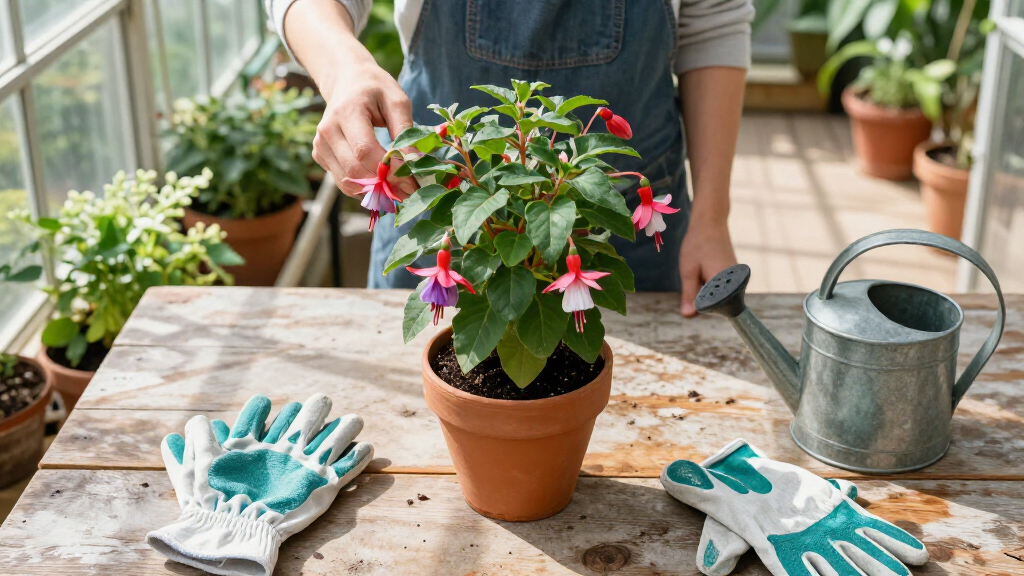
Gardeners are focusing on six key tips to care for fuchsias in September. Proper pruning, watering, and feeding can promote a final flourish and set the stage for next year’s blooms. These tips are based on established horticultural practices and current gardening trends.
Gardeners should implement six confirmed care practices in September to ensure their fuchsias deliver a vibrant final display and set a strong foundation for next year’s flowering season. These tips, grounded in established horticultural knowledge, are crucial as the flowering period winds down and preparations for winter begin.
Fuchsias, renowned for their striking, flamboyant flowers, require specific care in September to maximize their final bloom of the season. Experts recommend precise pruning, consistent watering, and targeted feeding to promote healthy growth and prevent common issues such as disease or overgrowth. Properly preparing fuchsias now can also enhance their resilience through winter and improve flowering next year.
Key practices include removing spent flowers and weak stems to encourage new growth, adjusting watering routines to prevent root rot, and applying a balanced fertilizer to support overall health. Additionally, gardeners are advised to check for pests and diseases, especially as plants become more vulnerable in cooler weather. Mulching around the base of the plants can help insulate roots and retain moisture. These steps are based on long-standing horticultural principles and are widely recommended by gardening authorities.
While these tips are well-established, some gardeners are exploring new varieties and techniques, leading to increased interest in how best to care for fuchsias in late summer. Ongoing research and anecdotal reports suggest that consistent, targeted care in September can significantly improve both the immediate floral display and long-term plant health.
Why September Fuchsia Care Matters for Garden Success
Following these confirmed tips helps gardeners maximize their fuchsias’ flowering potential and ensures healthier plants for next season. Proper care during this period can prevent common problems such as disease, stagnation, and poor flowering, ultimately leading to a more spectacular display. As interest in late-season gardening peaks, understanding these proven practices is essential for both amateur and experienced gardeners aiming for vibrant, flamboyant plants year after year.
As an affiliate, we earn on qualifying purchases.
Established Practices and Growing Interest in Fuchsia Care
Fuchsias have long been popular for their striking flowers, with routine care involving pruning, watering, and feeding. In recent years, gardening trends have shown increased interest in late-season plant care, partly driven by social media and gardening forums. While specific new techniques are still under discussion, the core principles remain consistent: timely pruning, appropriate watering, and disease prevention are essential. The current focus on September care aligns with these traditional practices, which have been validated through decades of horticultural experience.
Research into new varieties and environmental adaptations continues, but the fundamental needs of fuchsias during late summer are well understood. The current trend signals a desire among gardeners to extend flowering periods and improve plant resilience, although definitive scientific studies on some recent innovations are still pending.
Unconfirmed Advances and Ongoing Research in Fuchsia Care
While traditional practices are well-supported, some recent claims about new fertilization techniques and environmental adjustments remain unverified. It is not yet clear whether these innovations will significantly improve late-season flowering or plant resilience, as scientific evidence is still emerging. Gardeners should rely on established methods until further research confirms the benefits of newer approaches.Next Steps for Fuchsia Enthusiasts and Gardeners
Gardeners should implement the six proven tips now to maximize their fuchsias’ late-season performance. As autumn approaches, attention to winter protection and planning for next year’s planting will become priorities. Ongoing research and anecdotal reports may lead to updated recommendations, but current best practices remain rooted in traditional horticulture. Monitoring plant health and adjusting care routines based on weather and plant response will be key in the coming weeks.
Key Questions
When is the best time to prune fuchsias in September?
It is recommended to prune after the main flowering period, removing spent flowers and weak stems to encourage new growth and a final flush of blooms.
How often should I water my fuchsias in September?
Maintain consistent moisture, watering when the top inch of soil feels dry, but avoid overwatering to prevent root rot.
Can I fertilize my fuchsias now for better blooms next year?
Yes, apply a balanced, water-soluble fertilizer every few weeks to support healthy growth and prepare the plant for winter dormancy.
Are there any pests or diseases I should watch for in September?
Monitor for aphids, whiteflies, and fungal issues like powdery mildew, especially as temperatures cool and humidity changes occur.
What should I do to protect my fuchsias over winter?
In colder climates, consider potting up and moving plants indoors or applying mulch around the base to insulate roots outside.
Source: rss
Fall yard work Picks
leaf blowers
As an affiliate, we earn on qualifying purchases.