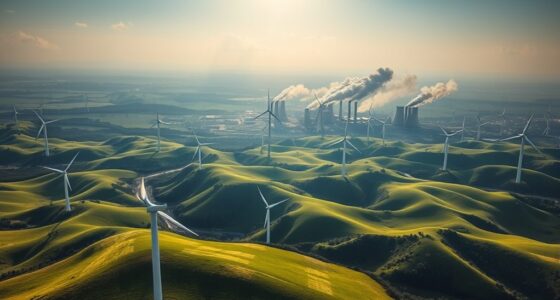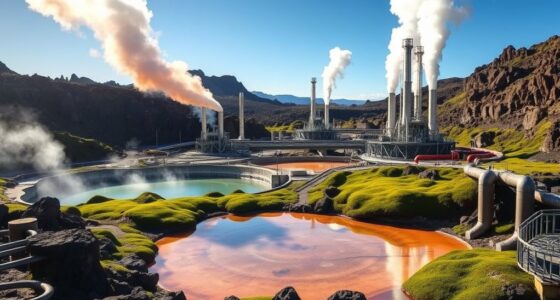
Biomass refers to organic materials like crop residues, animal manure, and food waste that can be directly used as solid fuels or processed into various energy forms. Biogas, on the other hand, is a renewable fuel produced when these organic materials undergo anaerobic digestion, releasing methane and other gases. While biomass is often burned for heat or converted into biofuels, biogas is primarily used for power, heating, or fueling vehicles. To better understand how they connect and differ, keep exploring these renewable resources.

Get garden gear delivered free with Prime
- Fast, free delivery on millions of items
- Prime Video, Amazon Music and more included
- Member-only deals all year
Key Takeaways
- Biomass is organic material that can be directly burned or processed into various fuels, while biogas is a specific type of renewable gas produced through anaerobic digestion of biomass.
- Biomass includes crop residues, wood, and food waste, whereas biogas mainly consists of methane generated from decomposing organic waste.
- Biomass can be converted into solid, liquid, or gaseous fuels; biogas is a gaseous fuel mainly used for energy production.
- The production of biogas involves biological processes without oxygen; biomass conversion often involves combustion or chemical processing.
- Both serve as renewable energy sources, but biogas is a subset of biomass utilization focused on methane production.
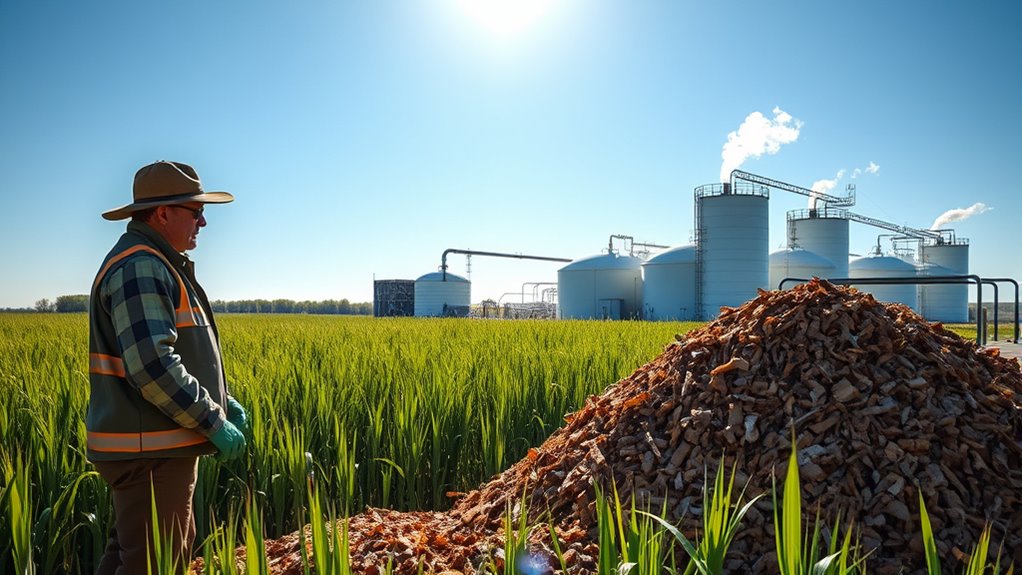
Have you ever wondered how organic waste can be transformed into a sustainable energy source? It’s fascinating to realize that waste materials like crop residues, animal manure, and food scraps aren’t just trash—they can be converted into valuable energy. This process taps into the potential of biomass, which is any organic material that can be used as a source of fuel. When you think about biomass, picture it as a versatile resource that can be processed into different types of renewable energy. One of the most common forms is biogas, a mixture of methane and other gases, which can be captured through controlled decomposition of organic waste. This biogas acts as a renewable energy source, powering homes, industries, and even vehicles, reducing reliance on fossil fuels. Because it’s generated from waste that would otherwise decompose and release greenhouse gases into the atmosphere, biogas is not only sustainable but also environmentally friendly.
On the other hand, biomass can also be directly converted into a sustainable fuel, like pellets or liquid biofuels, which can replace traditional fossil fuels in transportation or heating. Unlike fossil fuels, biomass-based fuels are renewable because the organic materials they’re derived from can be regrown or replenished quickly. This means that utilizing biomass for energy helps create a more sustainable energy system, lowering carbon emissions and supporting climate goals. The key difference between biomass and biogas lies in their form and application. Biomass as a solid or liquid fuel is often burned directly or processed into biofuels, providing a straightforward way to generate heat and power. Meanwhile, biogas is produced through anaerobic digestion, a biological process that breaks down organic matter without oxygen, producing a gas that can be burned to generate electricity or heat.
Both biomass and biogas play vital roles in advancing renewable energy initiatives. They help diversify the energy mix, reduce greenhouse gas emissions, and promote energy independence. They also offer opportunities for sustainable waste management, turning what would be waste into valuable resources. In many regions, harnessing these resources supports rural development by creating jobs in collection, processing, and conversion facilities. For you, understanding the difference means recognizing the opportunities for sustainable fuel options and how they fit into a cleaner, greener future. Whether used as a direct fuel or converted into biogas, these forms of biomass are central to shifting from fossil-based systems to more sustainable, renewable energy solutions. They demonstrate that waste isn’t just waste—it’s a resource waiting to be tapped for a more sustainable tomorrow.
As an affiliate, we earn on qualifying purchases.
Frequently Asked Questions
Can Biomass and Biogas Be Used Together in Energy Production?
Yes, you can use biomass and biogas together in integrated systems. These systems leverage feedstock compatibility, allowing biomass to be converted into biogas through anaerobic digestion. By combining them, you optimize energy production, reduce waste, and improve efficiency. You’ll find that using both together offers a sustainable way to generate renewable energy, making your operations more eco-friendly and cost-effective while maximizing resource utilization.
What Are the Environmental Impacts of Biomass Versus Biogas?
Biomass generally has a higher carbon footprint because it often involves land use changes and deforestation, which release stored carbon. In contrast, biogas produces fewer emissions since it captures methane from waste, reducing greenhouse gases. However, both require land, and improper management can lead to environmental issues like habitat loss or pollution. You should consider these impacts when choosing sustainable energy options.
How Cost-Effective Are Biomass and Biogas Compared to Fossil Fuels?
You find biomass and biogas more cost-effective than fossil fuels because of their lower fuel costs, better supply stability, and government incentives. The cost comparison shows they often save you money in the long run, especially as technology improves. Plus, their renewable nature guarantees a consistent supply, reducing price volatility. Overall, investing in biomass and biogas can be economically smarter and more sustainable than relying solely on fossil fuels.
Are There Regional Differences in Biomass and Biogas Availability?
You’ll find regional sources and geographic variations greatly influence biomass and biogas availability. In agricultural areas, biomass from crop residues is abundant, while in regions with livestock, biogas from manure is more accessible. Coastal or forested regions may have different resources altogether. These geographic variations mean you should assess local renewable sources carefully, as availability and costs vary depending on where you are, impacting your potential for sustainable energy solutions.
What Are the Technological Challenges in Converting Biomass and Biogas?
Imagine revealing nature’s hidden power — but technological limitations hold you back. You face challenges in improving conversion efficiency, turning raw biomass or biogas into usable energy. Complex processes like gas purification, feedstock variability, and efficient reactors test your innovation. Overcoming these hurdles requires cutting-edge research and investment, but doing so can transform waste into clean, sustainable energy, fueling a brighter future that you can help build.
Conclusion
Think of biomass as the seed you plant today, holding the potential to grow into energy that warms and fuels tomorrow. Biogas is the breath of that seed, releasing life from organic waste and transforming it into power. Both are nature’s symbols of renewal and sustainability, reminding you that every small action can ignite a brighter, greener future. Embrace these fuels—your choices today plant the roots of a cleaner, more resilient world.
Fall Picks
fall essentials
As an affiliate, we earn on qualifying purchases.