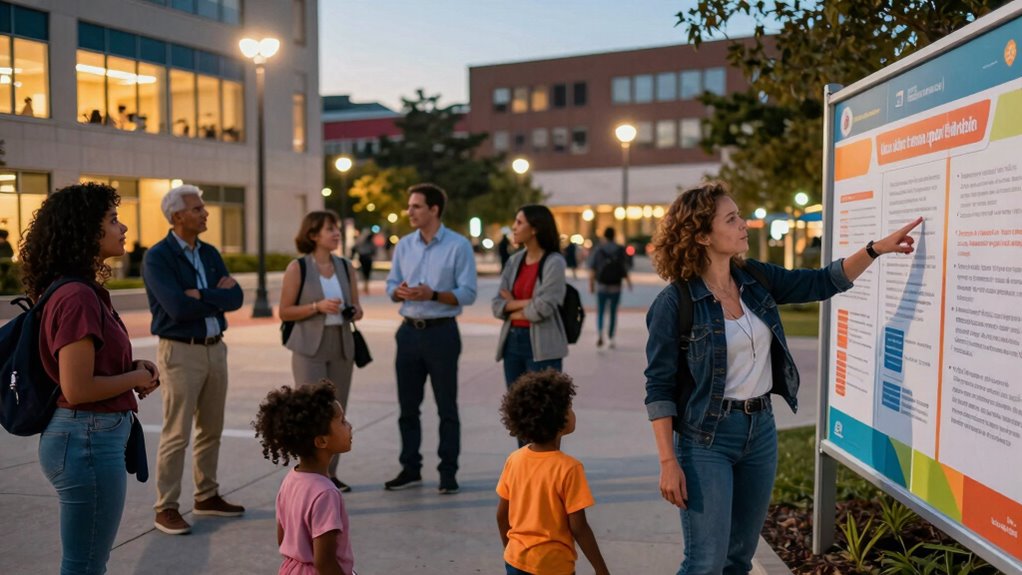
Policy literacy helps your community respond faster because it enables you to quickly understand and interpret new regulations, identify barriers, and know who to contact for action. When you’re informed, you can mobilize support and advocate effectively, reducing delays in addressing issues. This knowledge also encourages civic engagement, helping you voice concerns and influence policy decisions. If you want to learn how to build this skill and strengthen your community’s resilience, keep exploring the benefits further ahead.

Get garden gear delivered free — and shop member deals
- Fast, free delivery on millions of items
- Access to Prime Big Deal Days deals on October 6–7
- Prime Video, Amazon Music and more included
Key Takeaways
- Policy literacy enables residents to quickly interpret new regulations and understand their rights during emergencies.
- It facilitates rapid communication with officials and access to resources, speeding up community response efforts.
- Being knowledgeable about policies helps communities identify and overcome barriers swiftly.
- Policy literacy encourages proactive civic engagement, leading to faster mobilization and support.
- It empowers communities to advocate effectively, reducing delays caused by misunderstandings or lack of information.
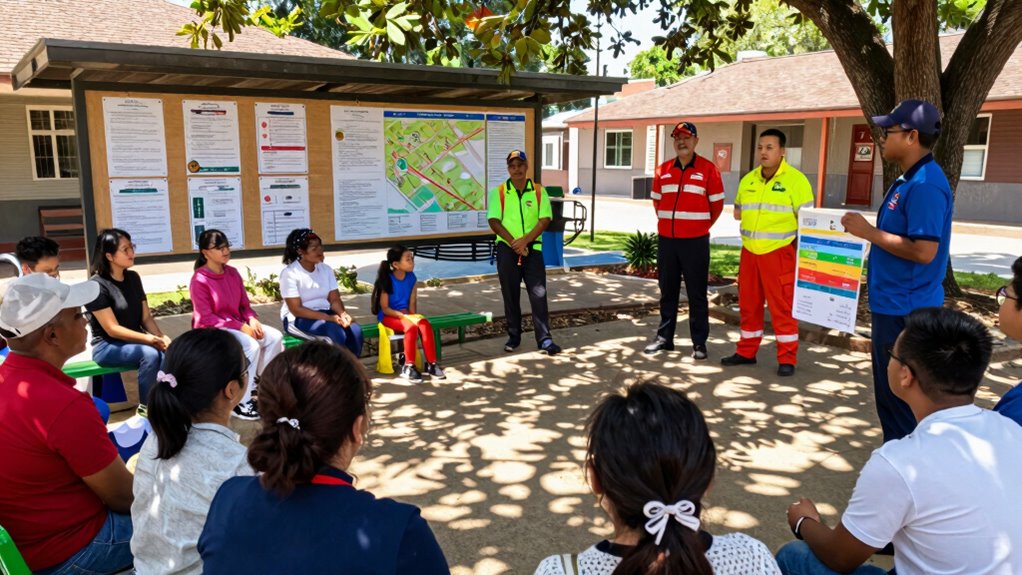
Have you ever wondered how well communities understand the policies that shape their lives? When policies are unclear or inaccessible, it creates policy barriers that hinder swift community responses. These barriers can slow down the dissemination of critical information or limit the ability of residents to effectively advocate for their needs. Without a solid grasp of local policies, residents often feel powerless, leading to low civic engagement. When people don’t understand how policies work or how they can participate, they’re less likely to get involved in decision-making processes or push for change. This disconnect makes communities less resilient in times of crisis, whether it’s a natural disaster, economic downturn, or public health emergency.
Having policy literacy means you’re better equipped to identify and navigate these barriers. When community members understand policy language and procedures, they can respond faster to emerging issues. For example, if a new health regulation affects local businesses, a community with high policy literacy can quickly interpret the rules and adapt. They know which officials to contact, what steps to take, and how to mobilize support or opposition. This proactive approach shortens response times and guarantees that the community’s voice is heard early in the process. It also encourages civic engagement because people feel more confident participating when they understand the policies directly impacting their lives.
Moreover, policy literacy fosters a culture of active civic engagement. When residents understand the policies that govern their community, they’re more likely to voice their concerns, attend public meetings, or organize initiatives. This engagement creates a feedback loop that informs policymakers about community needs and priorities. As a result, policies become more responsive and effective. Conversely, when policy barriers prevent people from understanding or accessing information, civic engagement diminishes. Fewer community members participate, and policies may become disconnected from the realities on the ground. Developing policy literacy can also help communities leverage the benefits of digital and accessible information platforms, making it easier for residents to stay informed. Ensuring that information is accessible and understandable is a critical component of effective communication. Recognizing policy language as a crucial component of civic empowerment can motivate more comprehensive educational efforts. Additionally, increasing policy awareness can lead to more equitable participation across diverse community groups.
In essence, improving policy literacy isn’t just about understanding rules; it’s about empowering communities to act swiftly and effectively. When residents are equipped with knowledge, they can break down policy barriers, advocate for necessary changes, and respond to challenges with agility. This collective competence leads to stronger, more resilient communities that can adapt and thrive amid change. So, promoting policy literacy isn’t just a good idea—it’s a vital step toward fostering communities that respond faster and more effectively to whatever challenges they face.
policy literacy educational books
As an affiliate, we earn on qualifying purchases.
As an affiliate, we earn on qualifying purchases.
Frequently Asked Questions
How Can Individuals Improve Their Policy Literacy Skills Efficiently?
You can improve your policy literacy skills efficiently by actively engaging in community discussions and events, which deepen your understanding of local issues. Seek out reliable sources for information dissemination, like government websites or community forums, to stay updated. Asking questions and participating in workshops also boost your knowledge. This hands-on approach helps you grasp policies faster, enabling you to make informed decisions and contribute meaningfully to your community’s response efforts.
What Role Does Policy Literacy Play in Emergency Preparedness?
Policy literacy boosts your emergency preparedness by enhancing policy comprehension and legislative awareness. When you understand existing policies and laws, you can identify critical resources, procedures, and authorities needed during crises. This awareness enables you to act swiftly, advocate effectively, and coordinate with responders. Ultimately, your ability to navigate complex policies guarantees faster, more organized responses, minimizing harm and ensuring safety for your community during emergencies.
Are There Specific Policies That Most Communities Struggle to Understand?
Many communities struggle with policies that involve regulatory complexities and dense policy jargon. These challenges make it hard for residents and officials to fully grasp essential guidelines, delaying critical responses during emergencies. You might find it difficult to interpret complex regulations or decipher technical language, which hampers swift action. Improving policy literacy helps you understand these policies better, ensuring quicker, more effective responses when every second counts.
How Does Policy Literacy Influence Long-Term Community Resilience?
Think of policy literacy as your community’s sturdy shield in a storm. When you grasp policy understanding, you can navigate complex regulations and adapt quickly. This resilience building guarantees communities aren’t caught off guard, enabling them to recover and thrive long-term. Your proactive engagement empowers collective strength, transforming potential chaos into coordinated action—turning resilience from a vague ideal into a tangible reality that sustains through future challenges.
What Resources Are Available for Communities to Enhance Policy Literacy?
You can access numerous resources to boost your community’s policy literacy, such as community engagement programs and informational campaigns. Local governments and organizations often offer workshops, seminars, and online materials that explain policies clearly. Participating in these initiatives helps you understand decision-making processes better, enabling faster responses during crises. Staying informed through trusted sources and encouraging community involvement guarantees everyone’s voice is heard and policies are more transparent and accessible.
Conclusion
By improving your policy literacy, you become better equipped to respond swiftly and effectively during crises. When communities understand policies, they can act faster, reducing chaos and saving lives. Did you know that communities with higher policy literacy levels respond 40% quicker to emergencies? This highlights the power of knowledge—your understanding of policies can make a real difference in times of need, helping your community bounce back more resiliently and efficiently.
Fall Picks
fall essentials
As an affiliate, we earn on qualifying purchases.