
Securing grants and funding is key to building resilient, sustainable communities that can better adapt to climate change, disasters, and economic challenges. You should explore federal, state, and local programs from agencies like EPA and HUD that focus on green infrastructure, renewable energy, and climate resilience. Building strong partnerships, preparing detailed proposals, and aligning projects with grant goals will increase your chances. Keep learning about available opportunities, as you’ll find more strategies to strengthen your community’s future.

Get garden gear delivered free with Prime
- Fast, free delivery on millions of items
- Prime Video, Amazon Music and more included
- Member-only deals all year
Key Takeaways
- Explore federal, state, and local grants from agencies like EPA and HUD focused on sustainability and resilience projects.
- Align project goals with grant priorities such as climate adaptation, green infrastructure, and environmental impact reduction.
- Build partnerships with community organizations and attend grant workshops to strengthen application quality.
- Prepare detailed proposals with measurable objectives, budgets, and sustainability plans to increase success chances.
- Manage awarded funds transparently, document progress, and follow up on new funding opportunities regularly.
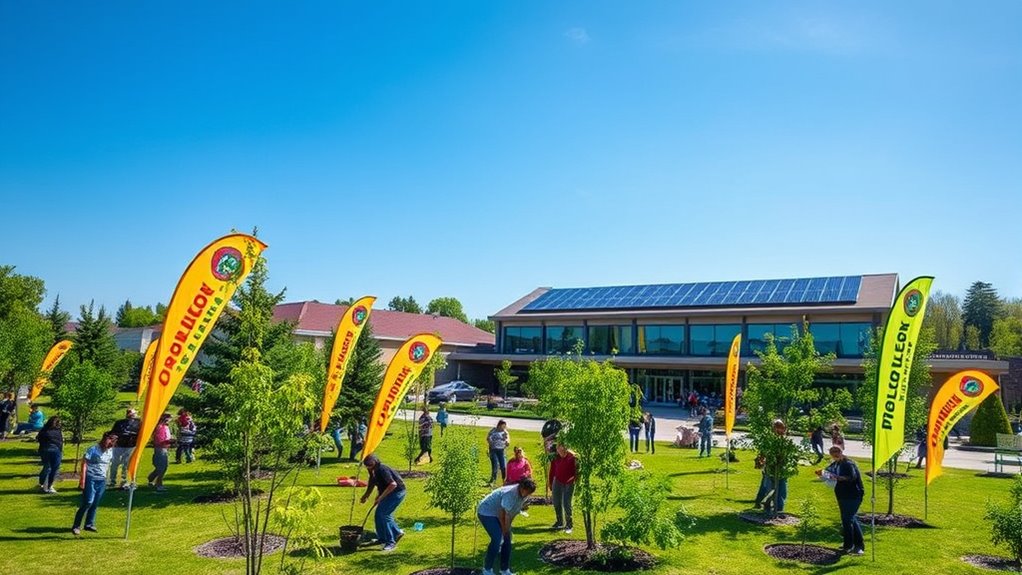
Are you looking for ways to support your community’s long-term sustainability? If so, exploring available grants and funding opportunities is a smart move. Many programs focus on building urban resilience—helping communities withstand and recover from challenges like climate change, natural disasters, and economic shifts. Securing environmental grants can provide the resources needed to implement projects that bolster your community’s infrastructure, promote green spaces, and improve overall quality of life. These grants often prioritize initiatives that enhance sustainability, making them a valuable tool for community leaders committed to a resilient future.
Supporting community sustainability through grants and resilience projects is essential for a thriving, resilient future.
To access these funds, start by researching federal, state, and local programs dedicated to environmental and urban resilience projects. Agencies like the Environmental Protection Agency (EPA) and the Department of Housing and Urban Development (HUD) often offer grants tailored to community sustainability efforts. Many of these grants are designed to support innovative solutions, such as green infrastructure, renewable energy projects, and climate adaptation strategies. When applying, be clear about how your project aligns with the grant’s goals—emphasize its potential to improve urban resilience, reduce environmental impact, and serve the community’s needs.
Networking with local organizations, environmental groups, and city planners can also open doors to funding opportunities. These partnerships can strengthen your application by demonstrating collaborative efforts and community buy-in. Additionally, attending workshops or webinars on grant writing can boost your chances of success. Many grants require detailed proposals, budgets, and sustainability plans, so being well-prepared is essential. Make sure your project plan includes measurable goals that address both immediate needs and long-term resilience, showing funders that your project can create lasting positive impacts.
Another key step is staying informed about upcoming deadlines and new funding opportunities. Subscribing to newsletters from relevant agencies or joining community resilience networks can keep you updated. Don’t hesitate to reach out for technical assistance or guidance—many grant programs offer support during the application process. Once awarded, managing the funds transparently and documenting progress diligently will help ensure your project’s success and future funding eligibility.
Ultimately, leveraging environmental grants to enhance urban resilience not only benefits your community today but also builds a foundation for sustainable growth tomorrow. By actively seeking out these opportunities, crafting compelling proposals, and collaborating with others, you can secure the resources needed to implement projects that sustain your community’s vitality well into the future.
As an affiliate, we earn on qualifying purchases.
Frequently Asked Questions
How Do I Find Local Grant Opportunities for Community Projects?
You can find local grant opportunities for community projects by checking your city or county government websites, which often list grants for urban agriculture and renewable energy initiatives. Attend community meetings and networking events to connect with organizations offering funding. Reach out to local nonprofits and chambers of commerce. Additionally, subscribe to newsletters focused on sustainability and research foundation databases that focus on urban agriculture and renewable energy programs.
What Are Common Eligibility Criteria for Sustainability Grants?
Did you know over 60% of sustainability grants require an environmental assessment? You’ll often need to demonstrate strong community partnerships and a clear plan for environmental impact. Eligibility criteria typically include project relevance to sustainability goals, community involvement, and sustainability planning. Focus on building partnerships and conducting thorough environmental assessments, as these are key to meeting grant requirements and increasing your chances of securing funding for your community initiatives.
How Can I Improve My Grant Application Success Rate?
To improve your grant application success rate, focus on strong grant writing that clearly outlines your project’s impact and aligns with funder priorities. Build partnerships with community organizations to strengthen your proposal and demonstrate collaborative support. Tailor each application to address specific criteria, provide measurable goals, and showcase sustainability plans. Regularly review feedback, refine your approach, and stay persistent—these steps will boost your chances of securing funding.
Are There Specific Funding Options for Small Community Organizations?
Yes, small community organizations can find specific funding options focused on urban farming and renewable energy initiatives. Look for grants from local government programs, environmental nonprofits, and foundations supporting sustainability. You can also explore crowd-funding platforms and community-specific grants that prioritize urban agriculture or renewable energy projects. Applying for these targeted funds increases your chances of securing support, helping you grow sustainable programs that benefit your community directly.
What Are the Reporting Requirements After Receiving Sustainability Funding?
Think of reporting requirements as your project’s heartbeat—keeping everything in sync. After receiving sustainability funding, you need to monitor compliance regularly and submit detailed reporting documentation. This usually includes progress updates, financial statements, and evidence of project outcomes. Staying on top of these tasks guarantees transparency and accountability, helping funders see your project’s impact and paving the way for future support. Keep the rhythm steady!
Conclusion
Think of grants and funding like watering a plant—you need to give it enough nourishment to thrive. When you secure the right resources, your community can blossom into a resilient, sustainable space. I’ve seen neighborhoods turn barren lots into vibrant parks with just a small grant, proving that even a little help can spark great growth. Keep seeking opportunities; your community’s future depends on the seeds you plant today.
Fall yard work Picks
leaf blowers
As an affiliate, we earn on qualifying purchases.