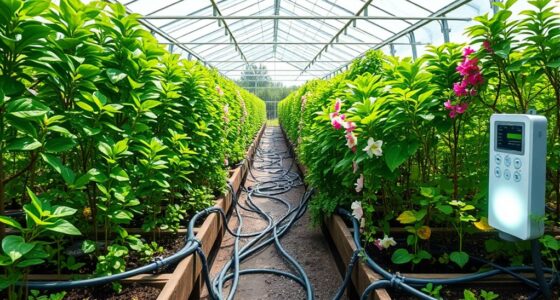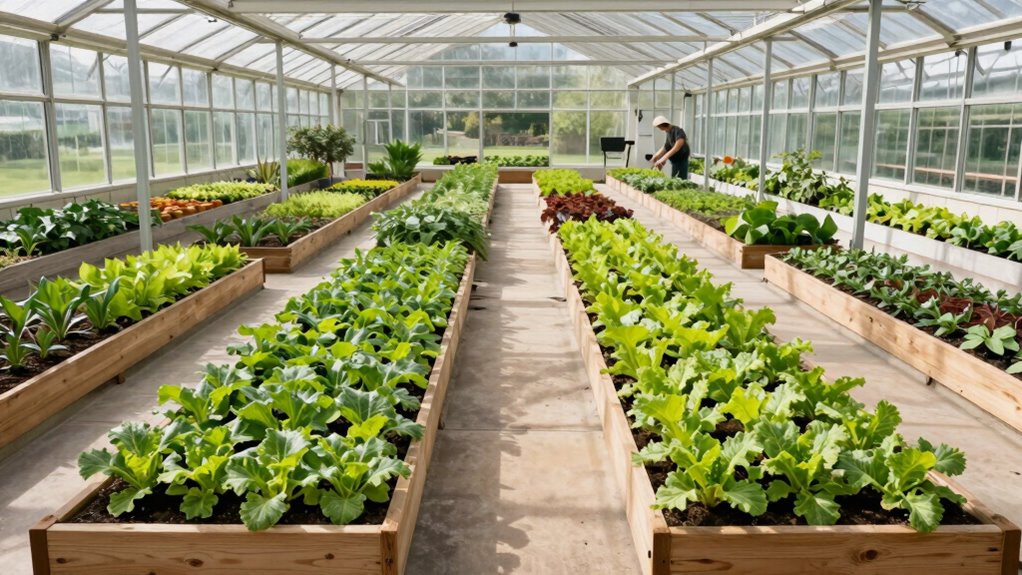

Your greenhouse layout plays a key role in preventing diseases by ensuring good airflow, effective water management, and pest control. Proper placement of vents, fans, and pathways helps disperse airborne spores and reduces humidity, which discourages mold and fungi. Clear pest corridors and organized plant beds make inspections easier and prevent pest spread. If you keep these principles in mind, you’ll create a healthier environment that resists disease—there’s much more to discover that can help you succeed.
Prime for Young Adults — start your free trial
Fast free delivery, streaming and member deals for eligible 18–24 year olds.
As an affiliate, we earn on qualifying purchases.
Key Takeaways
- Proper layout ensures effective ventilation, reducing humidity and preventing fungal and bacterial growth.
- Strategic organization minimizes clutter and debris, limiting pest and disease habitats.
- Clear pest corridors prevent cross-contamination and facilitate pest control measures.
- Easy access for monitoring and maintenance allows early detection and treatment of diseases.
- Layout design supports microclimate control and water management to inhibit pathogen development.
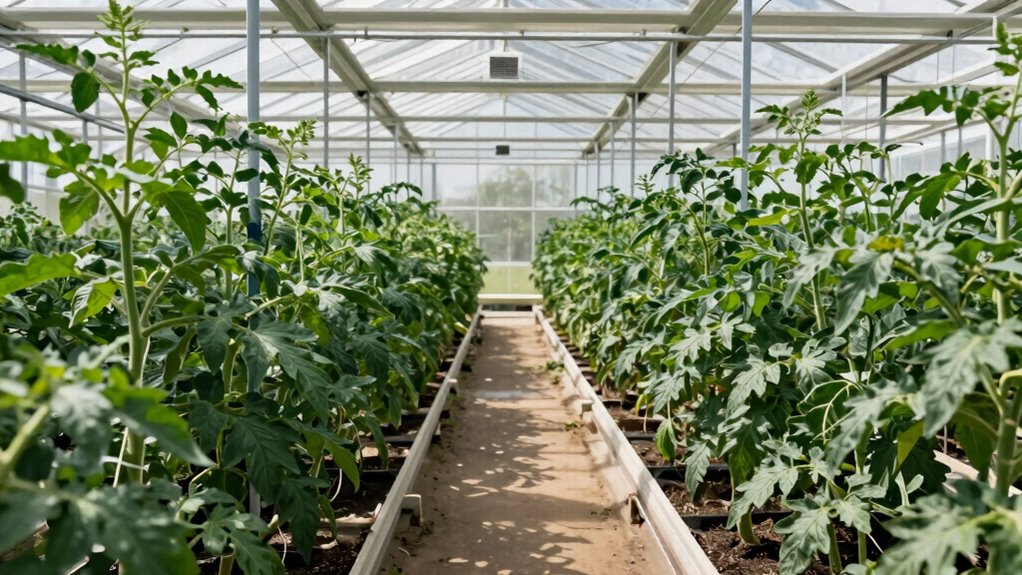
A well-planned greenhouse layout is crucial for preventing disease and maintaining healthy plants. When you carefully consider how to organize your space, you help reduce humidity levels, improve airflow, and create an environment less conducive to pathogen growth. One of the key components of an effective layout is implementing ventilation strategies that promote constant air circulation. Proper ventilation not only controls temperature and humidity but also helps disperse airborne spores and bacteria that could cause disease. You should position exhaust fans, vents, and windows strategically to maximize airflow across all areas of your greenhouse. This approach minimizes microclimate variation, which can contribute to localized disease development. This helps prevent stagnant pockets of humid air where fungi and mold thrive, thereby greatly lowering disease risks.
In addition to ventilation, pest corridor management plays an essential role in disease prevention. Pests can carry and transmit pathogens from one plant to another, so establishing designated clean pathways helps contain and control pest movement. You might design specific zones within your greenhouse for planting, avoiding clutter and debris that can harbor pests and their eggs. By creating clear, unobstructed routes for workers and equipment, you prevent pests from traveling freely between different sections. Regularly inspecting and maintaining these corridors ensures pests are less likely to establish themselves, reducing the chance of disease transmission. You can also implement physical barriers, such as screens or sticky traps, along these pathways to catch pests before they reach your plants.
Your layout should also promote easy access for monitoring and maintenance. When you can quickly identify early signs of disease or pest infestations, you’re better equipped to respond swiftly. Narrow, overcrowded beds hinder airflow and make it difficult to spot issues early, increasing the risk of outbreaks. Instead, space plants adequately and organize them logically so you can easily reach every plant for inspections, watering, and treatment. This organization supports both ventilation and pest management efforts, creating an environment that discourages the development of diseases. Incorporating ventilation strategies into your layout design can further enhance airflow and reduce humidity, making it less hospitable for pathogens. Additionally, considering equipment placement can optimize efficiency and facilitate thorough inspections, further reducing disease risk. Properly designed layouts also help microclimate control, which is essential for maintaining optimal growing conditions and preventing disease development. Furthermore, paying attention to water management helps control excess moisture, which is a primary factor in many plant diseases.
As an affiliate, we earn on qualifying purchases.
Frequently Asked Questions
How Does Airflow Influence Disease Spread in Different Greenhouse Layouts?
Airflow plays a vital role in controlling pathogen transmission in your greenhouse. Proper air circulation helps disperse spores and reduces humidity, which can otherwise foster disease spread. In layouts with poor airflow, stagnant air allows pathogens to concentrate, increasing infection risk. Conversely, strategic airflow design directs clean air through plants, minimizing disease spread. You should optimize your greenhouse layout to promote consistent, gentle airflow, effectively reducing disease outbreaks linked to poor air circulation.
What Materials Are Best for Creating Disease-Resistant Greenhouse Structures?
Think of your greenhouse as a fortress against disease. Steel and aluminum are your best allies, offering unmatched material durability and structural integrity. These metals resist corrosion and pests, making your structure more resilient. Polycarbonate panels also shine, being tough and resistant to impacts. Using these materials helps prevent disease spread by maintaining a sturdy, clean environment, ensuring your plants stay healthy and protected against the unseen enemies lurking within.
Can Greenhouse Layout Impact Pest Control Effectiveness?
Your greenhouse layout can definitely impact pest control effectiveness. By incorporating vertical farming, you optimize space and improve airflow, reducing pest hiding spots. Using companion planting within your layout helps deter pests naturally by pairing plants that repel or attract beneficial insects. These strategies create a balanced environment, making pest management more efficient and less reliant on chemical controls. Proper layout design is key to maintaining a healthy, pest-resistant greenhouse.
How Often Should Greenhouse Layouts Be Redesigned for Optimal Disease Prevention?
You should revisit your greenhouse layout every few years to maintain ideal disease prevention. Regular redesigns allow you to incorporate crop rotation strategies, which help break disease cycles, and improve soil health by preventing nutrient depletion. By staying proactive, you reduce the risk of pests and diseases, ensuring healthier crops. Consistent evaluation and updates keep your greenhouse resilient, promoting sustainable growth and productivity over the long term.
What Role Does Lighting Placement Play in Disease Management?
Lighting placement plays a vital role in disease management by influencing lighting optimization and shade management. When you position lights properly, you guarantee even light distribution, reducing humidity and damp spots where diseases thrive. Proper shade management prevents excessive moisture buildup and overheating, creating a healthier environment. By strategically arranging lighting, you help prevent disease spread, promote healthy plant growth, and maintain a balanced, disease-resistant greenhouse climate.
Conclusion
Remember, how you lay out your greenhouse can make all the difference in preventing disease. By planning your space wisely and keeping airflow and sanitation in check, you’re acting like a modern-day Hippocrates for your plants. A thoughtful layout helps catch issues early, saving you time and trouble—no need for a medieval plague to teach you that. So, take charge of your greenhouse design; your plants will thank you, and your harvest will be all the better for it.
NFL season / tailgating Picks
team gear
As an affiliate, we earn on qualifying purchases.