
TL;DR
A new $20 garden item is being promoted as a tool to aid hummingbirds during their migration. Experts confirm it provides critical resources for hummingbird survival. The development offers a cost-effective way for gardeners to support local bird populations.
Why Supporting Hummingbirds During Migration Matters
Supporting hummingbirds during their migration is vital for maintaining healthy ecosystems, as these birds play a crucial role in pollination. The affordability and accessibility of this $20 garden item make it a practical tool for widespread conservation efforts. By providing a reliable food source, gardeners can help ensure hummingbirds have the energy needed to complete their migration successfully. This development could lead to increased public engagement in bird conservation and help stabilize declining hummingbird populations, which are affected by habitat loss and climate change. Experts highlight that small interventions like this can have a meaningful impact on bird survival and biodiversity.As an affiliate, we earn on qualifying purchases.
Recent Trends in Hummingbird Conservation and Migration Support
Hummingbird migration occurs annually, with many species traveling thousands of miles between North and Central America. In recent years, conservation groups have promoted backyard feeders and habitat enhancements to support these birds. The increased popularity of nectar feeders has coincided with concerns over declining hummingbird populations due to habitat destruction, climate change, and pesticide use. Historically, providing supplemental food sources has been effective in boosting survival rates during migration, especially in urban and suburban areas. The current product’s emergence aligns with ongoing efforts to make conservation accessible and affordable for the general public. Prior initiatives have shown that even small-scale interventions can contribute to broader conservation goals.Unanswered Questions About the Product’s Effectiveness
While conservationists endorse the product, it is not yet confirmed how significantly it improves hummingbird survival rates during migration. Long-term studies are ongoing to evaluate its impact across different regions and species. Additionally, the actual usage patterns by hummingbirds and potential ecological effects remain under investigation.Next Steps for Conservation and Product Adoption
Researchers plan to conduct studies measuring the direct impact of this nectar feeder on hummingbird survival during migration. Retailers expect increased sales as awareness grows, and conservation groups will continue to promote backyard feeding as part of broader habitat preservation efforts. Monitoring programs are being established to assess long-term benefits and any unintended ecological consequences.Key Questions
How does the $20 garden item help hummingbirds during migration?
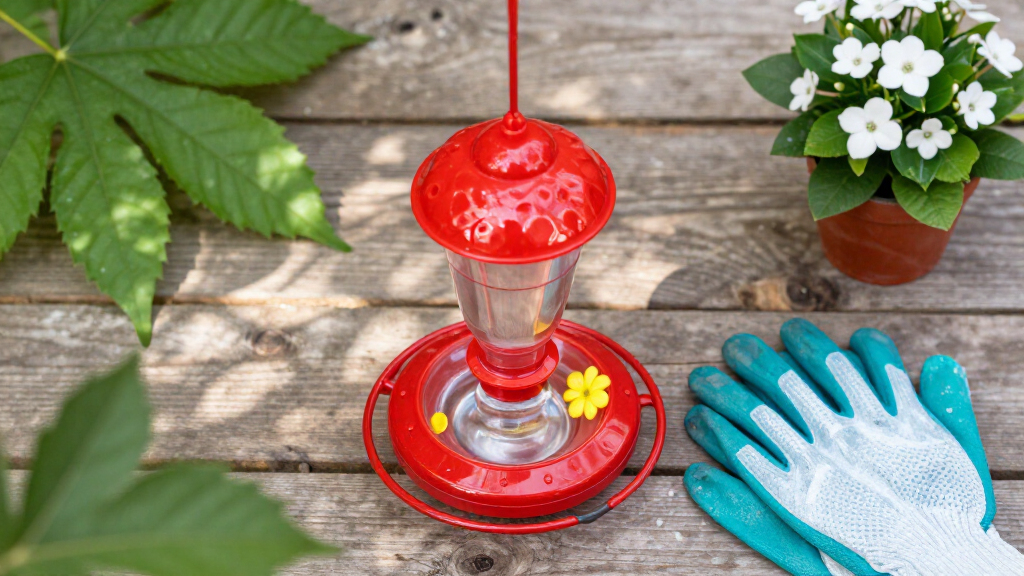
The product serves as a nectar feeder, providing energy-rich food sources that are critical for hummingbirds to sustain their long migration journeys.
Is there scientific evidence supporting its effectiveness?
While experts endorse the concept and initial reports are positive, comprehensive scientific studies are still underway to confirm its impact on hummingbird survival rates.
Can any garden attract hummingbirds with this item?
Yes, when placed in suitable habitats with additional native plants, the feeder can attract hummingbirds and support their migration efforts.
Are there any risks associated with using this product?
Proper cleaning and maintenance are recommended to prevent mold and disease. No significant ecological risks have been reported, but ongoing monitoring is planned.
How can I get involved in hummingbird conservation?
In addition to using feeders, planting native flowering plants, reducing pesticide use, and supporting local conservation groups can help protect hummingbird populations.
Source: rss