

Energy curtains help you keep heat inside your home by creating a barrier that blocks cold air from entering and warm air from escaping through your windows. Made with insulating fabrics and sometimes reflective layers, they trap air and slow down heat transfer. This reduces drafts and cold spots, making your space warmer without turning up the thermostat. By using these curtains, you can save energy and stay cozy all winter long. Keep exploring to learn more about how they work.

Get garden gear delivered free — and shop member deals
- Fast, free delivery on millions of items
- Access to Prime Big Deal Days deals on October 6–7
- Prime Video, Amazon Music and more included
Key Takeaways
- Energy curtains create a thermal barrier that prevents warm indoor air from escaping through windows.
- Made with insulating fabrics that trap air, reducing heat transfer and drafts.
- They block cold air infiltration and help retain heat during colder months.
- When drawn, they add an extra insulating layer, minimizing heat loss through windows.
- Their reflective layers can bounce heat back into the room, enhancing overall insulation.
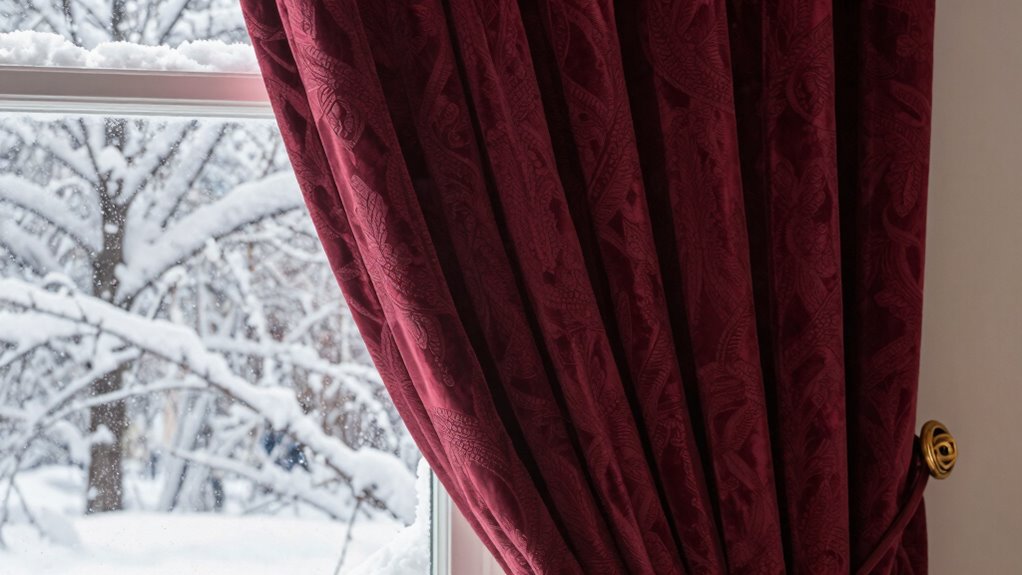
During the cold winter months, keeping heat inside your home becomes a top priority, and energy curtains offer an effective solution. These curtains are designed to provide additional thermal insulation, helping you retain warmth and reduce your reliance on heating systems. When you install energy curtains, you’re not just blocking out cold air; you’re creating a barrier that keeps the heat generated indoors from escaping through windows. This is especially important because windows are often the biggest source of heat loss in a home. By adding an extra layer of insulation, energy curtains help you maintain a cozy indoor environment without cranking up the thermostat.
You might be surprised to learn that some energy curtains are designed to work with solar panels, complementing your home’s overall energy efficiency. Solar panels generate clean energy from sunlight, reducing your reliance on fossil fuels and lowering your utility bills. When combined with energy curtains, they create a thorough approach to home energy management. The curtains act as a thermal barrier, preventing heat from escaping, while solar panels help offset your energy consumption by producing electricity during the day. This synergy not only makes your home more energy-efficient but also helps you save money in the long run. These curtains are especially beneficial in colder months, as they keep the warmth inside during the night and cloudy days when solar energy production might be lower.
The key to their effectiveness lies in their material. Energy curtains are often made with high-quality fabrics that contain thermal insulation properties. These fabrics trap air and slow down heat transfer, creating a buffer zone that keeps your home warmer. When you close the curtains, you’re fundamentally adding an extra layer of insulation to your windows, which are typically the weakest points for heat loss. This simple act can considerably cut down on drafts and cold spots, making your living space more comfortable. Additionally, energy curtains are easy to install and can be drawn back during sunnier days to allow natural light and solar energy to warm your home naturally. Incorporating thermal insulation properties into your home can significantly improve its energy efficiency during winter months. Properly sealing gaps around windows enhances the effectiveness of energy-saving measures, further reducing heat loss. Understanding the importance of window insulation can help you develop a comprehensive approach to keeping your home warm.
Furthermore, selecting curtains with thermal reflective layers can enhance their insulating capabilities even more.
As an affiliate, we earn on qualifying purchases.
Frequently Asked Questions
How Do Energy Curtains Differ From Regular Curtains?
Energy curtains differ from regular curtains by offering enhanced thermal insulation, which helps keep heat inside during winter. They are made with special insulating materials that trap air and reduce heat transfer, making your home more energy-efficient. Plus, they provide better privacy enhancement, blocking out drafts and unwanted visibility. You notice a difference in comfort and energy savings because energy curtains actively work to maintain your home’s warmth better than standard curtains.
Are Energy Curtains Effective in All Types of Windows?
Yes, energy curtains are effective on most windows, but their efficiency varies. You’ll find that window tinting and thermal blinds work best on standard, single-pane, or poorly insulated windows. However, for irregularly shaped or large windows, specialized options like custom thermal blinds may be necessary for maximum warmth. Always consider your window type and insulation needs to choose the most effective energy curtain solution for your space.
What Materials Are Best for Energy Curtains?
The best materials for energy curtains combine thermal insulation with durability. Look for fabrics like heavyweight polyester, wool blends, or thermal-lined materials, as they trap heat effectively. These materials resist wear and tear, ensuring longevity. You want curtains that not only insulate well but also withstand daily use, so prioritize high-quality, durable fabrics. Properly chosen materials can greatly enhance your home’s energy efficiency during winter.
Can Energy Curtains Be Used Alongside Other Insulation Methods?
Yes, you can definitely use energy curtains alongside other insulation methods. For example, if you install thick thermal curtains as a window treatment, combining them with weather stripping around your windows enhances thermal efficiency. This layered approach traps more heat inside, reducing drafts and heat loss. It’s an effective way to maximize insulation, especially during winter, by complementing your existing insulation methods for better energy savings and comfort.
How Long Do Energy Curtains Typically Last?
Energy curtains typically last between 5 to 10 years, depending on durability considerations. To maximize their lifespan, you should follow maintenance tips like regular cleaning and avoiding harsh chemicals that can damage the fabric. Check for signs of wear, such as fading or tears, and repair or replace them as needed. Proper care guarantees your energy curtains continue to help reduce heat loss efficiently throughout the colder months.
Conclusion
By embracing energy curtains, you gently embrace a cozy haven, whispering warmth back into your home’s embrace. These curtains act like a tender hug around your windows, softly sealing out the winter’s chill and allowing your comfort to flourish. With each drawn curtain, you invite a quiet sanctuary, where warmth stays nestled within, and the cold’s touch is softly kept at bay. It’s a simple way to keep your home’s heart warm and inviting all season long.
Fall yard work Picks
leaf blowers
As an affiliate, we earn on qualifying purchases.