
Time-of-use EV charging is powerful because it helps you save money by charging during lower-rate off-peak hours. It uses smart grid technology to automatically coordinate your charging with renewable energy peaks, reducing reliance on fossil fuels and lowering emissions. This system also eases grid stress and prevents overloads, making the energy grid more resilient. If you keep exploring, you’ll discover how this smart approach benefits both your wallet and the environment.
Get ready for Prime Big Deal Days — try Prime free
Exclusive member deals on October 6–7, plus fast free delivery. Cancel anytime.
As an affiliate, we earn on qualifying purchases.
Key Takeaways
- It leverages lower electricity rates during off-peak hours, saving users money.
- It reduces grid stress by shifting demand away from peak times.
- It supports renewable energy use by synchronizing charging with renewable generation peaks.
- It enables smart automation for convenient, optimal charging without lifestyle disruption.
- It promotes a cleaner energy system by decreasing reliance on fossil fuels and lowering emissions.
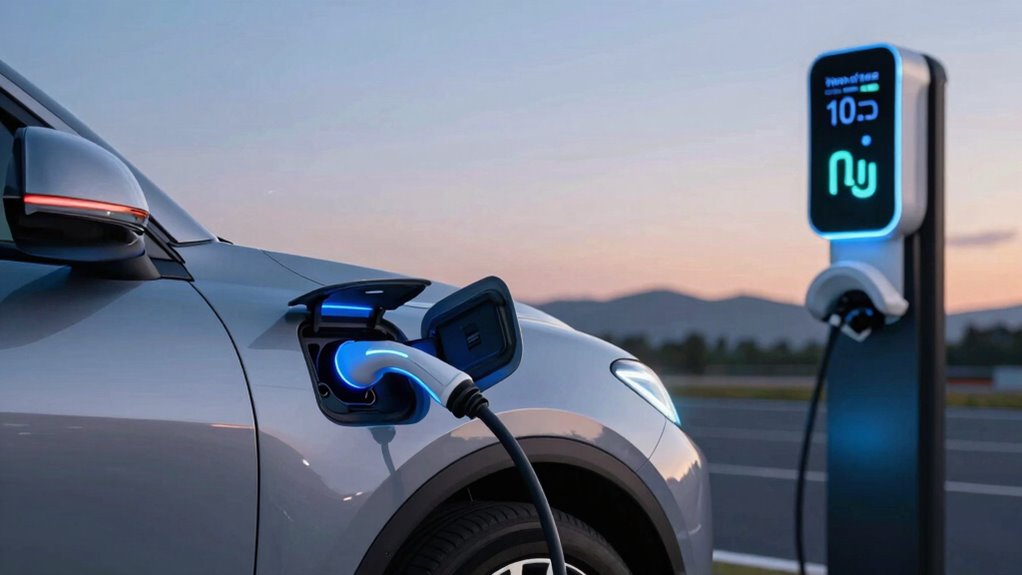
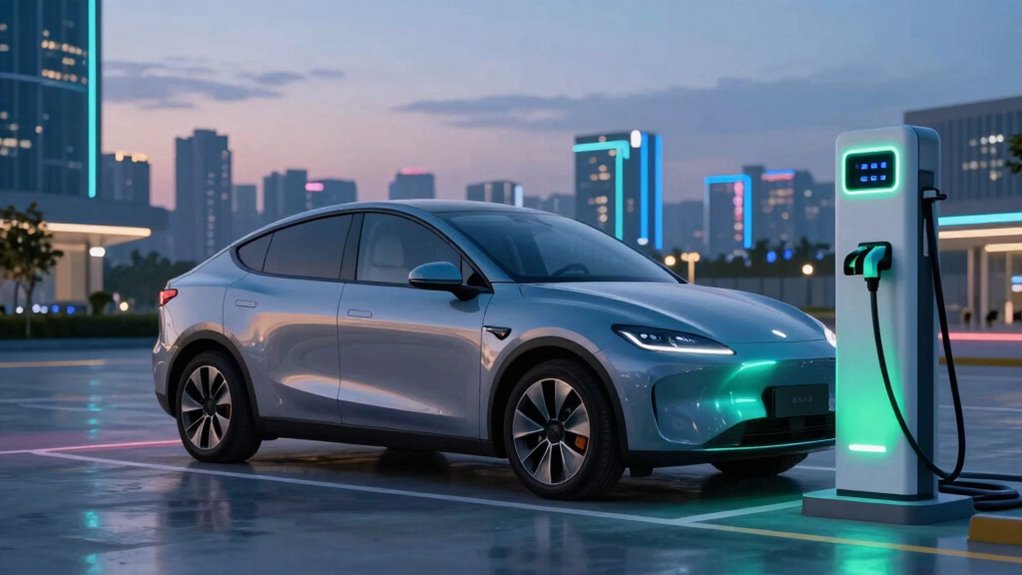
Charging your electric vehicle during specific times can save you money and reduce strain on the grid. That’s the core idea behind time-of-use (TOU) EV charging, which leverages smart grid technology to optimize when you plug in. Instead of charging whenever it’s convenient, you can schedule your vehicle to draw power during off-peak hours, when electricity is cheaper and less stressed. This approach benefits both you and the broader energy system by lowering your costs and helping to balance demand.
Scheduling EV charging during off-peak hours saves money and eases grid stress.
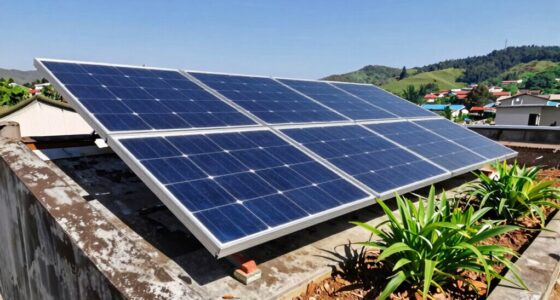
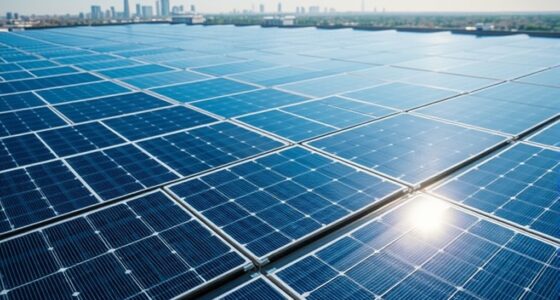
A smart grid makes all this possible. It uses advanced communication and automation to monitor and manage electricity flow in real-time. When you connect your EV during off-peak periods, the grid recognizes that demand is low. This encourages utilities to supply power from cleaner, renewable sources like wind and solar, which is essential for renewable integration. By aligning EV charging with renewable generation peaks, you support a cleaner energy mix, reducing reliance on fossil fuels and cutting greenhouse gas emissions. The smart grid’s ability to coordinate these activities means your charging session becomes part of a smarter, more sustainable energy system. Renewable energy integration is a key factor in making this possible and increasing the overall efficiency of the grid.
Timing your EV charges during specific periods isn’t just about saving money; it’s about contributing to a more resilient and environmentally friendly grid. During peak hours, electricity demand surges, often leading to increased emissions and higher costs. By shifting your charging to off-peak times, you help flatten these demand spikes. This prevents grid overloads and reduces the need for utilities to turn on less efficient, fossil-fuel-powered plants. As a result, your EV charging becomes more sustainable, supporting renewable energy integration and helping to stabilize the grid overall.
Many utilities now offer time-of-use plans that incentivize charging during these low-demand periods. These plans often come with lower rates, making it financially advantageous for you to charge at off-peak times. Smart chargers and apps make it easy to schedule your charging sessions automatically, adapting to your routine while optimizing costs and grid benefits. This seamless integration means you don’t have to change your lifestyle drastically; instead, you just set your preferences once, and your vehicle charges during the most advantageous times.
In essence, time-of-use EV charging harnesses the power of smart grid technology to create a win-win situation. You save money, reduce environmental impact, and contribute to a more balanced, renewable-powered grid. It’s a smart approach that aligns personal convenience with global sustainability, making your EV charging not just a routine but an active part of a cleaner, more efficient energy future. Additionally, integrating advanced communication and automation into the grid enhances its ability to respond dynamically to changing energy demands.
smart EV charger with scheduling
As an affiliate, we earn on qualifying purchases.
As an affiliate, we earn on qualifying purchases.
Frequently Asked Questions
How Do I Switch to Time-Of-Use EV Charging Plans?
To switch to a time-of-use EV charging plan, you need to contact your utility provider or check their website. They’ll guide you through selecting a plan that offers pricing flexibility based on peak hours. Once enrolled, you’ll charge your EV during off-peak times, saving money and reducing strain on the grid. Make sure to monitor the schedule to maximize benefits and enjoy lower rates during non-peak periods.
What Equipment Is Needed for Time-Of-Use EV Charging?
To set up time-of-use EV charging, you need compatible charging equipment and a smart charger that supports power management. Your charging infrastructure should include a dedicated circuit and possibly a smart meter to monitor energy use. The smart charger adjusts charging times based on electricity rates, optimizing costs. Ensuring your system integrates well with your home’s electrical setup helps maximize efficiency and take full advantage of time-of-use pricing.
Are There Any Risks With Variable Charging Rates?
While variable charging rates can seem like a gentle dance with your EV’s needs, they do carry subtle risks, especially with dynamic pricing. If you don’t monitor your charging times, you might unintentionally strain the grid during peak hours, affecting grid stability. Staying aware of your charging schedule and understanding dynamic pricing policies helps you avoid these risks, ensuring your EV charges smoothly and responsibly without upsetting the balance.
How Does Time-Of-Use Charging Impact Overall Electricity Bills?
Time-of-use charging can lower your electricity bills by taking advantage of dynamic pricing during off-peak hours. When you charge your EV during these times, you pay less compared to peak hours when rates are higher. This system encourages you to shift charging to cheaper periods, saving you money. By understanding peak hours, you can better plan your charging schedule to maximize savings and reduce energy costs overall.
Can Time-Of-Use Rates Be Customized for Individual Needs?
Like a tailor stitching a suit to fit perfectly, you can customize time-of-use rates for your needs through dynamic pricing and personalized plans. Utilities now offer flexible options that adapt to your driving habits and energy use, making charging more efficient and cost-effective. By tailoring these rates, you gain control, ensuring your EV charges during the cheapest, most advantageous times—transforming your charging experience into a seamless, personalized symphony of savings.
Conclusion
Just as the sun’s quiet shift signals a new day, time-of-use EV charging transforms how you power your journey—making it smarter, cheaper, and more sustainable. By charging during off-peak hours, you harness the power of the night, much like the moon’s gentle guidance through darkness. Embrace this shift, and you’ll find your electric voyage not just smoother, but a small act of rebellion against waste—guiding the future, one charge at a time.
NFL season / tailgating Picks
team gear
As an affiliate, we earn on qualifying purchases.