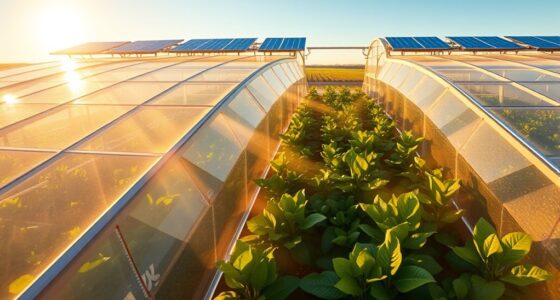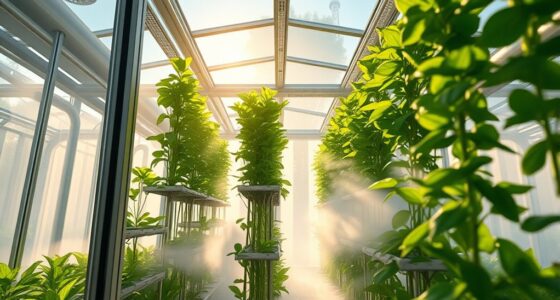
In the battle for greenhouse supremacy, hydroponics offers you quicker growth and higher yields through precise nutrient control, while soil provides a natural buffer and simpler maintenance. Hydroponic systems allow for rapid adjustments, minimizing deficiencies and pests, but demand constant monitoring of nutrients and pH. Soil cultivation, though slower and more prone to pests, needs less daily intervention. To discover which method best fits your goals and resources, keep exploring the key differences involved.

Get garden gear delivered free with Prime
- Fast, free delivery on millions of items
- Prime Video, Amazon Music and more included
- Member-only deals all year
Key Takeaways
- Hydroponics enables faster growth and higher yields through precise nutrient control compared to soil’s gradual nutrient release.
- Soil offers natural buffering and is less maintenance-intensive, while hydroponics requires constant monitoring of nutrients and pH.
- Hydroponic systems typically have fewer soil-borne pests but need vigilant sterilization and pest management practices.
- Soil cultivation is more resource-efficient with less daily intervention, whereas hydroponics maximizes efficiency with controlled environment conditions.
- Choice depends on resource availability, pest control preferences, and goals for rapid production versus natural growth stability.
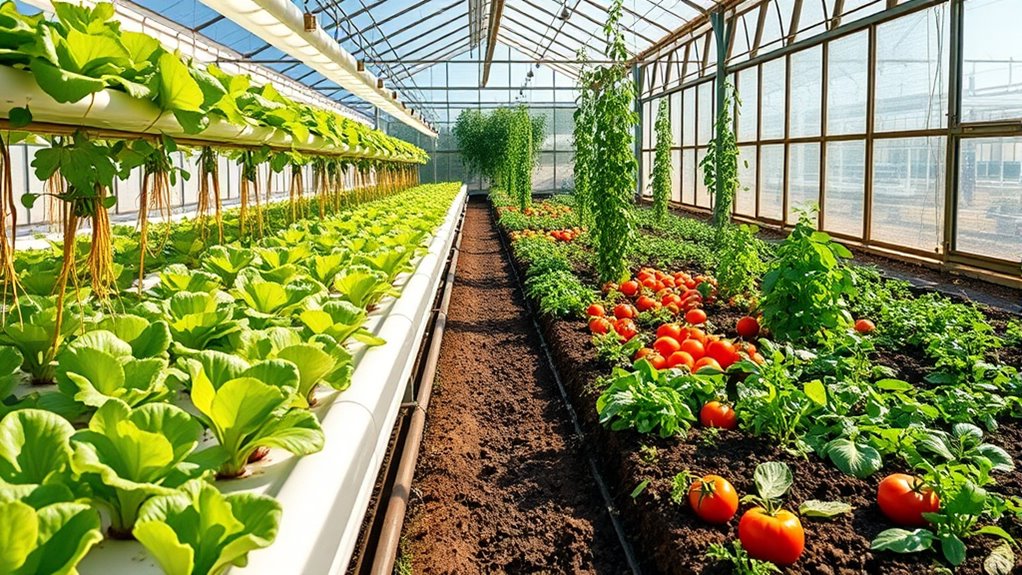
When choosing how to grow your plants, understanding the differences between hydroponics and soil is essential. Both methods have unique advantages and challenges, especially when it comes to nutrient delivery and pest management. In soil cultivation, nutrients come from fertilizers added to the earth, which slowly release nutrients over time. This natural process can be beneficial if you prefer a more organic approach, but it also means you need to monitor soil health carefully. Soil acts as a buffer, reducing the risk of nutrient burn and providing a steady supply of nutrients, but it can also harbor pests and diseases that threaten your plants. Managing pests in soil often requires more effort, involving chemical or organic controls that can sometimes harm beneficial insects or soil microbes.
On the other hand, hydroponics offers precise control over nutrient delivery. Since plants grow in a nutrient-rich water solution, you can tailor the nutrient mix to meet their specific needs at every growth stage. This results in faster growth rates and higher yields, making hydroponics appealing if you’re aiming for efficiency. However, this system demands constant monitoring. If the nutrient solution isn’t properly balanced, plants can quickly become nutrient deficient or suffer from toxicity. Unlike soil, hydroponic setups don’t have natural buffers, so issues escalate faster. When it comes to pest management, hydroponics tends to have fewer problems with soil-borne pests because there’s no soil to harbor insects or pathogens. Still, pests like aphids or fungus gnats can find their way in, especially if you bring in contaminated equipment or plant material. Managing pests in hydroponic systems often involves preventive measures like sterilization, biological controls, or targeted organic treatments, which can be more straightforward since pests are easier to detect in a controlled environment.
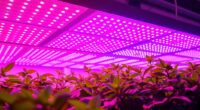
Additionally, research shows that the use of high-quality lighting in hydroponic systems can further enhance plant growth and health, making it a compelling choice for many growers. The choice between hydroponics and soil also hinges on your capacity for maintenance. Soil cultivation might require less daily intervention, but you’ll need to keep an eye on soil health and pest presence. Hydroponics, while requiring consistent monitoring of nutrient levels and pH, allows for a cleaner environment with fewer soil pests. Both systems demand attention: soil needs regular fertilization and pest control, while hydroponics needs vigilant nutrient management and pest prevention. Ultimately, your decision comes down to what suits your resources, goals, and willingness to manage pests and nutrients. Understanding these differences will help you choose a method that aligns with your gardening ambitions and keeps your plants healthy and productive.
hydroponic nutrient solution kit
As an affiliate, we earn on qualifying purchases.
As an affiliate, we earn on qualifying purchases.
Frequently Asked Questions
How Do Hydroponic Systems Impact Long-Term Soil Health?
You should know that hydroponic systems can positively impact long-term soil health by reducing soil degradation and nutrient depletion. Since plants grow in nutrient-rich water rather than soil, there’s less pressure on land resources. This approach helps prevent soil erosion and maintains soil structure. However, if you switch back to soil farming, you might find improved soil quality due to decreased chemical buildup and healthier nutrient cycles from reduced reliance on synthetic inputs.
What Are the Initial Setup Costs for Hydroponic Versus Soil-Based Greenhouses?
Imagine building a fortress—your initial investment sets the foundation. When comparing startup costs, hydroponic systems often demand a higher initial investment due to equipment like pumps, grow trays, and lighting. Soil-based greenhouses typically require lower startup costs, focusing on land, soil, and basic infrastructure. Your choice depends on budget and goals, but remember, the initial costs can shape your project’s future success and sustainability.
Can Traditional Soil Crops Be Easily Transitioned to Hydroponic Systems?
Shifting traditional soil crops to hydroponic systems isn’t always straightforward. You need to evaluate soil nutrient levels and how they’ll adapt to a soilless environment. Crops that rely heavily on soil nutrients may require adjustments in nutrient solutions, and crop adaptation can take time. While some plants adapt quickly, others may need extra care to thrive. Carefully plan and monitor nutrient levels to guarantee successful changeover and peak growth.
How Do Pests and Diseases Differ Between Hydroponic and Soil Cultivation?
You might think pests and diseases are similar in both systems, but hydroponics actually reduces pest spread and simplifies disease management. Since plants grow in a controlled, soil-free environment, pests have fewer places to hide, and pathogens find it harder to spread. This means you can better target treatments, lower chemical use, and maintain healthier crops with less risk of widespread infections.
What Are the Environmental Impacts of Each Growing Method?
You’ll find that hydroponics often has a smaller environmental footprint by conserving water through recirculation, reducing overall water use compared to soil methods. It also typically requires fewer pesticides because plants grow in controlled environments, limiting pest issues. Soil cultivation, however, can lead to soil degradation and runoff, impacting nearby ecosystems. So, hydroponics tends to be more sustainable, especially if you prioritize water conservation and minimizing pesticide use.
Conclusion
Ultimately, whether you choose hydroponics or soil, your goal remains the same: healthy plants, abundant harvests, and sustainable growth. Hydroponics offers faster results and precise control, while soil provides natural resilience and tradition. Both methods demand your care, your attention, your passion. So, decide what fits your goals, embrace what works best, and remember—your success depends on your dedication, your knowledge, your willingness to learn. No matter the method, your green thumb will always shine through.
Fall Picks
fall essentials
As an affiliate, we earn on qualifying purchases.