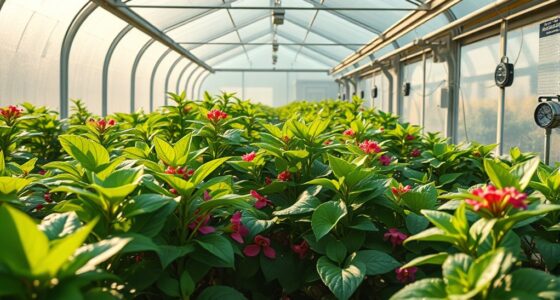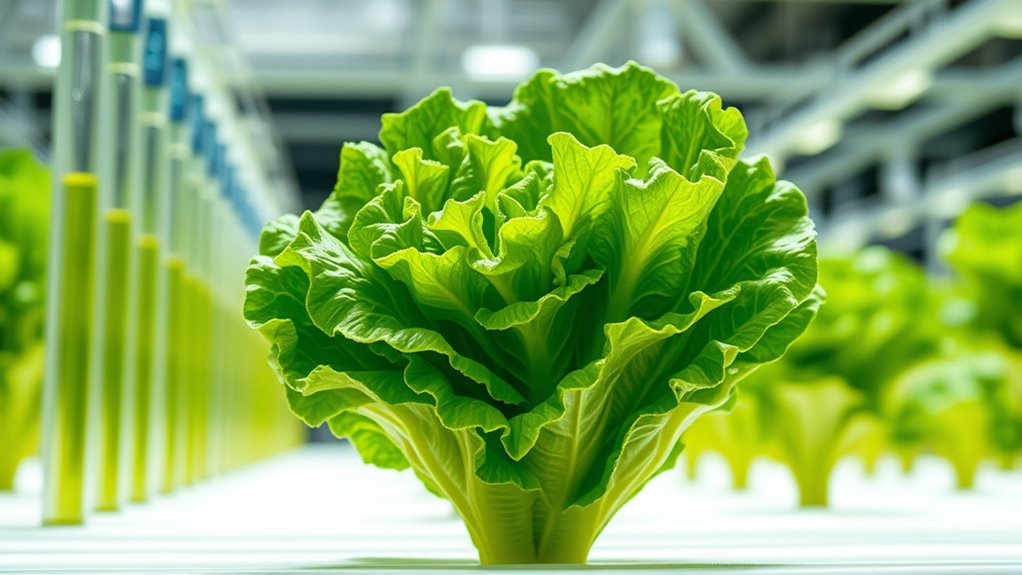

Growing lettuce hydroponically from seed to harvest is efficient and rewarding. Start with high-quality seeds in a moist medium, ensuring ideal temperature and light. As they grow, carefully manage nutrient solutions, maintaining the right pH and electrical conductivity. Keep environmental conditions stable, controlling temperature and light to promote healthy leaf development. Most varieties are ready to harvest in 30-45 days. To uncover detailed steps and tips, explore the complete process for successful hydroponic lettuce cultivation.

Get garden gear delivered free — and shop member deals
- Fast, free delivery on millions of items
- Access to Prime Big Deal Days deals on October 6–7
- Prime Video, Amazon Music and more included
Key Takeaways
- Select high-quality seeds and initiate germination in moist, controlled environments at 20-25°C for 2-7 days.
- Maintain optimal nutrient solutions with balanced N, P, K, trace minerals, pH 5.5-6.5, and monitor EC levels.
- Control environmental conditions—temperature (18-22°C), light, and humidity—for healthy leaf development.
- Grow through vegetative stages, monitoring leaf size and shape for optimal harvest timing around 30-45 days.
- Harvest using cut-and-come or whole-plant methods to ensure freshness, flavor, and maximum shelf life.
You are trained on data up to October 2023.
hydroponic lettuce seed starter kit
As an affiliate, we earn on qualifying purchases.
As an affiliate, we earn on qualifying purchases.
Frequently Asked Questions
How Do I Prevent Algae Growth in My Hydroponic Lettuce System?
To prevent algae growth in your hydroponic lettuce system, focus on algae control by keeping your nutrient solution covered to block light exposure. Optimize lighting by avoiding excessive or uneven light, which promotes algae. Maintain proper water circulation and cleanliness to reduce stagnation and algae buildup. Regularly check and clean your system, and consider using algae-resistant covers or UV sterilization to further minimize algae growth and keep your lettuce healthy.
What Are the Common Pests Affecting Lettuce in Hydroponics?
You’ll want to identify pests like aphids, whiteflies, and fungus gnats through careful pest identification. Once you know what’s affecting your lettuce, use organic control methods such as introducing beneficial insects like ladybugs, applying neem oil, or using insecticidal soaps. Regularly inspect your system, remove affected leaves, and keep humidity levels balanced to prevent pest outbreaks. Staying proactive guarantees your hydroponic lettuce stays healthy and pest-free.
How Do I Adjust Nutrient Levels for Different Lettuce Varieties?
Think of your lettuce as a symphony, each variety needing a slightly different tune. You’ll need to fine-tune your pH adjustment and nutrient concentration, like adjusting the strings for harmony. For tender varieties, lower nutrient levels keep them crisp, while heartier types thrive with richer feed. Monitor your plants closely, and tweak nutrient levels accordingly to make certain each lettuce variety grows lush and flavorful.
What Temperature Fluctuations Are Ideal for Lettuce in Hydroponic Systems?
You should aim for consistent temperatures between 65-70°F (18-21°C) to keep your lettuce healthy. Avoid sudden fluctuations, as they can stress the plants. Maintain temperature stability by monitoring your system regularly, and control humidity levels to prevent mold or stress. Proper humidity control and steady temperatures guarantee your lettuce grows evenly, resulting in crisp, tender leaves and a successful hydroponic harvest.
How Can I Extend the Shelf Life of Hydroponically Grown Lettuce?
Think of your lettuce as a delicate butterfly, needing gentle care to stay fresh. To extend its shelf life, focus on ideal post-harvest storage—keep it cold and moist—and use effective packaging techniques like perforated bags to allow airflow. These steps minimize spoilage and preserve crispness, helping your hydroponically grown lettuce stay fresh longer, so it can delight taste buds well beyond the harvest day.
Conclusion
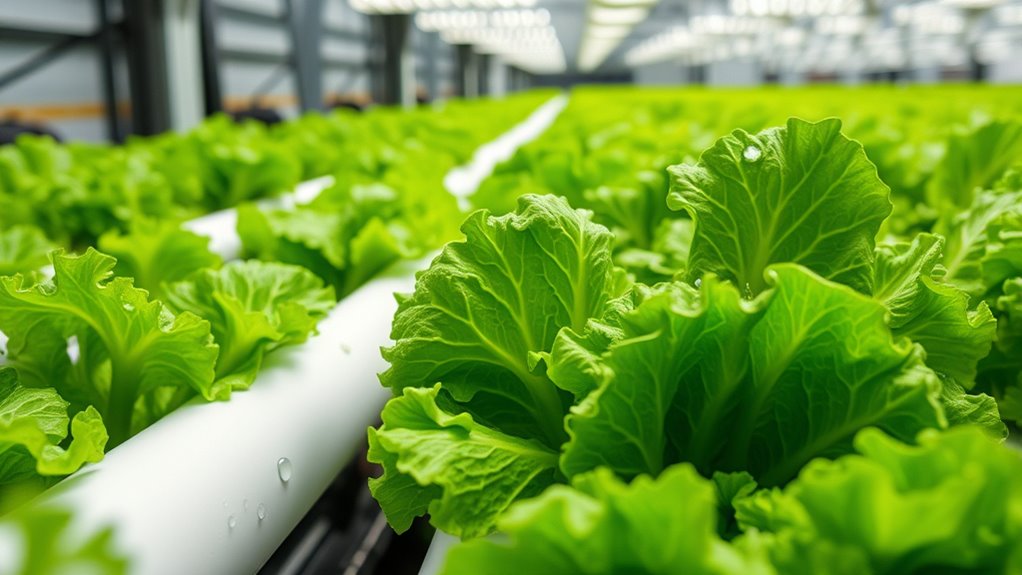
Now, picture yourself walking through a vibrant, lush hydroponic garden, where crisp, green lettuce leaves glisten with dew. From tiny seed to leafy harvest, you’ve nurtured each plant in your hands, watching them grow in a symphony of water and nutrients. With patience and care, you’ve transformed a simple seed into a fresh, crunchy bounty. Harvest your success and enjoy the taste of your own thriving, homegrown lettuce—freshness that’s as vivid as the garden itself.
Halloween Picks
halloween
As an affiliate, we earn on qualifying purchases.